Introduction
Understanding rental dynamics in New Zealand has become increasingly data-driven, especially as market volatility continues to reshape investment and tenant decisions. Traditional research methods often fail to deliver real-time visibility, which is why modern Rental Price Monitoring Tools are gaining traction across the industry.
To remain competitive, businesses must Track NZ Rental Market Trends Using Web Scraping and transform raw listing data into actionable insights. This approach enables continuous monitoring of rental listings across platforms, helping identify seasonal variations, regional demand spikes, and pricing anomalies. With access to accurate datasets, stakeholders can make informed decisions about pricing strategies and portfolio expansion.
Additionally, the growing complexity of the housing ecosystem has made it essential to understand Rental Market Trends New Zealand through structured data pipelines. By integrating automated data extraction with analytics, organizations can detect patterns that influence occupancy rates and rental yields. As a result, web scraping is no longer a technical luxury but a strategic necessity in navigating the evolving rental landscape of New Zealand.
Discovering Hidden Opportunities Through Structured Rental Data Insights
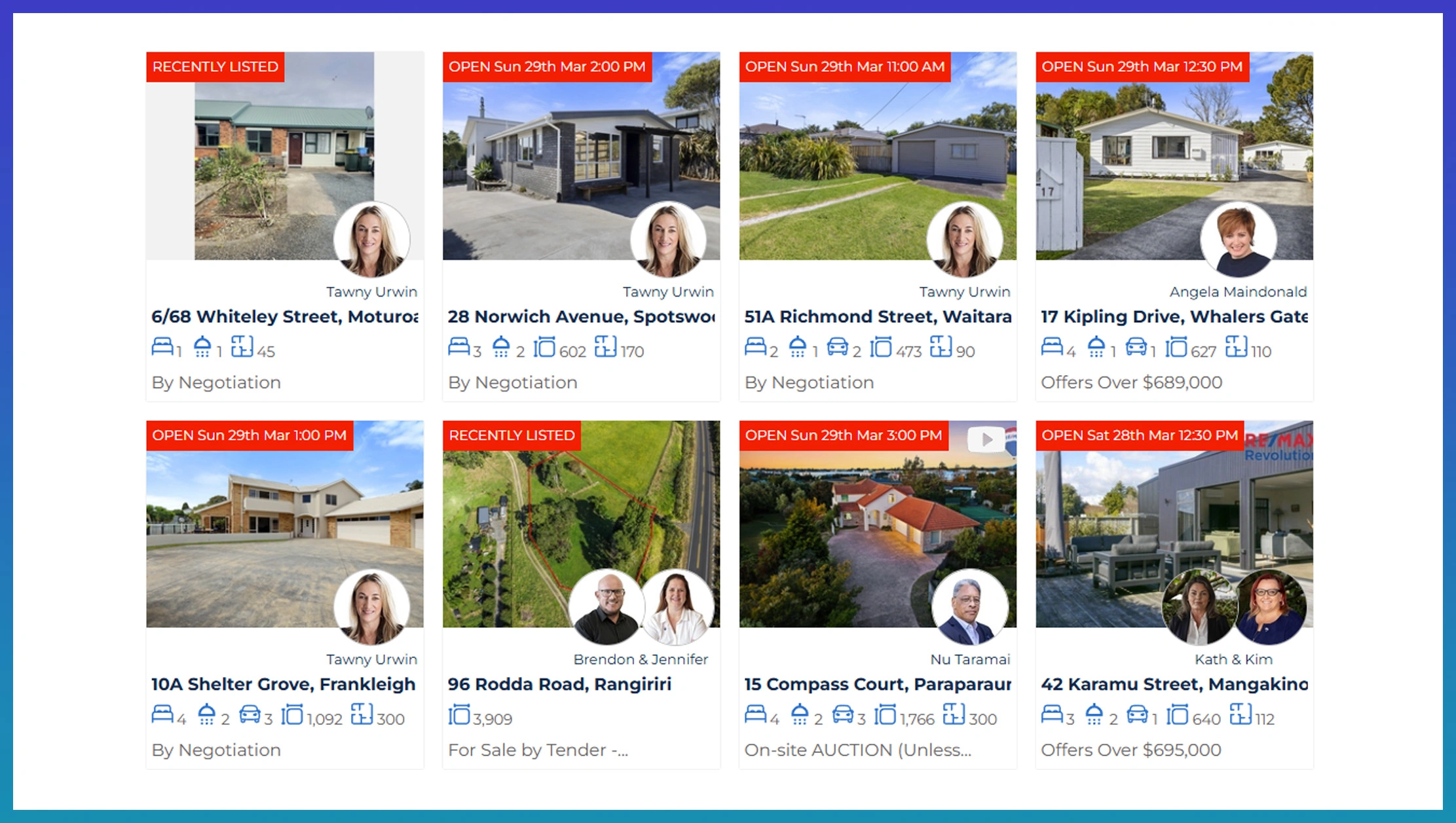
Understanding rental market inefficiencies requires a structured and data-driven approach, especially when dealing with fragmented listing platforms. Investors and analysts often miss valuable opportunities due to inconsistent or incomplete datasets. By implementing Real Estate Data Scraping, businesses can unify scattered information into a centralized system, enabling deeper visibility into demand-supply mismatches and pricing irregularities.
A comprehensive Property Rental Dataset allows organizations to evaluate rental activity across various regions and identify emerging hotspots. This dataset becomes even more valuable when paired with Rental Pricing Data New Zealand, helping stakeholders analyze pricing trends and uncover undervalued markets with higher growth potential. Additionally, applying Real Estate Web Scraping Use Cases enables better interpretation of tenant behavior, listing frequency, and occupancy patterns.
Key Data Insights Table:
| Metric | Impact on Decision-Making | Example Insight |
|---|---|---|
| Listing Frequency | Indicates demand levels | High listings reflect strong competition |
| Price Variations | Tracks affordability shifts | Rising rents signal increased demand |
| Location-Based Demand | Identifies growth regions | Urban zones attract more tenants |
| Tenant Preferences | Guides property upgrades | Furnished units yield higher returns |
Such insights are crucial when analyzing Rental Market Trends New Zealand, as they provide a clearer picture of how different regions perform under changing economic conditions. With structured data, businesses can refine their investment strategies, optimize property selection, and reduce risks associated with uncertain market behavior.
Improving Rental Pricing Decisions with Automated Data Systems
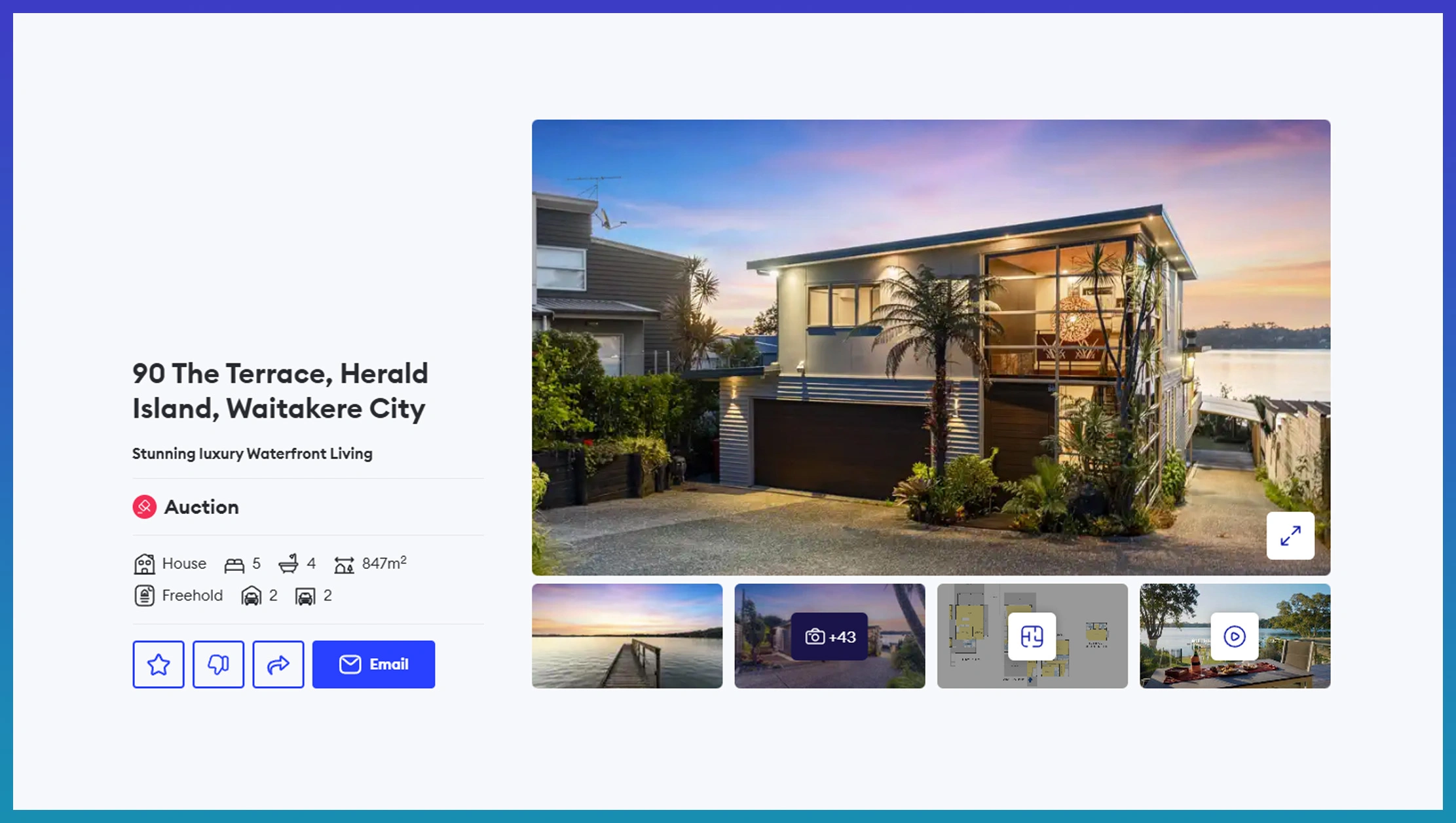
Accurate rental pricing is essential to maintaining competitiveness and maximizing occupancy rates in a fluctuating housing market. Traditional manual tracking methods often fail to keep up with dynamic pricing changes, leading to missed opportunities. By utilizing Web Scraping Rental Data, organizations can automate data collection and gain real-time visibility into rental price movements across multiple platforms.
An advanced Automated Rental Price Monitoring System enables continuous tracking of pricing fluctuations, ensuring landlords and investors can adjust their strategies instantly. This system also integrates seamlessly with a Property Pricing Dataset for Investment, allowing users to compare current listings with historical data and make well-informed pricing decisions.
Pricing Optimization Table:
| Parameter | Role in Pricing Strategy | Outcome |
|---|---|---|
| Historical Pricing Trends | Identifies long-term movements | Better forecasting accuracy |
| Competitor Pricing | Maintains market alignment | Increased tenant acquisition |
| Seasonal Demand | Adjusts rates based on trends | Higher rental yield |
| Vacancy Rates | Highlights pricing inefficiencies | Reduced idle properties |
Furthermore, insights derived from New Zealand Rental Market Data Analysis 2026 help stakeholders understand future pricing patterns and align their rental strategies accordingly. This forward-looking approach reduces uncertainty and enhances decision-making efficiency across property portfolios.
Forecasting Rental Demand Using Advanced Analytical Models
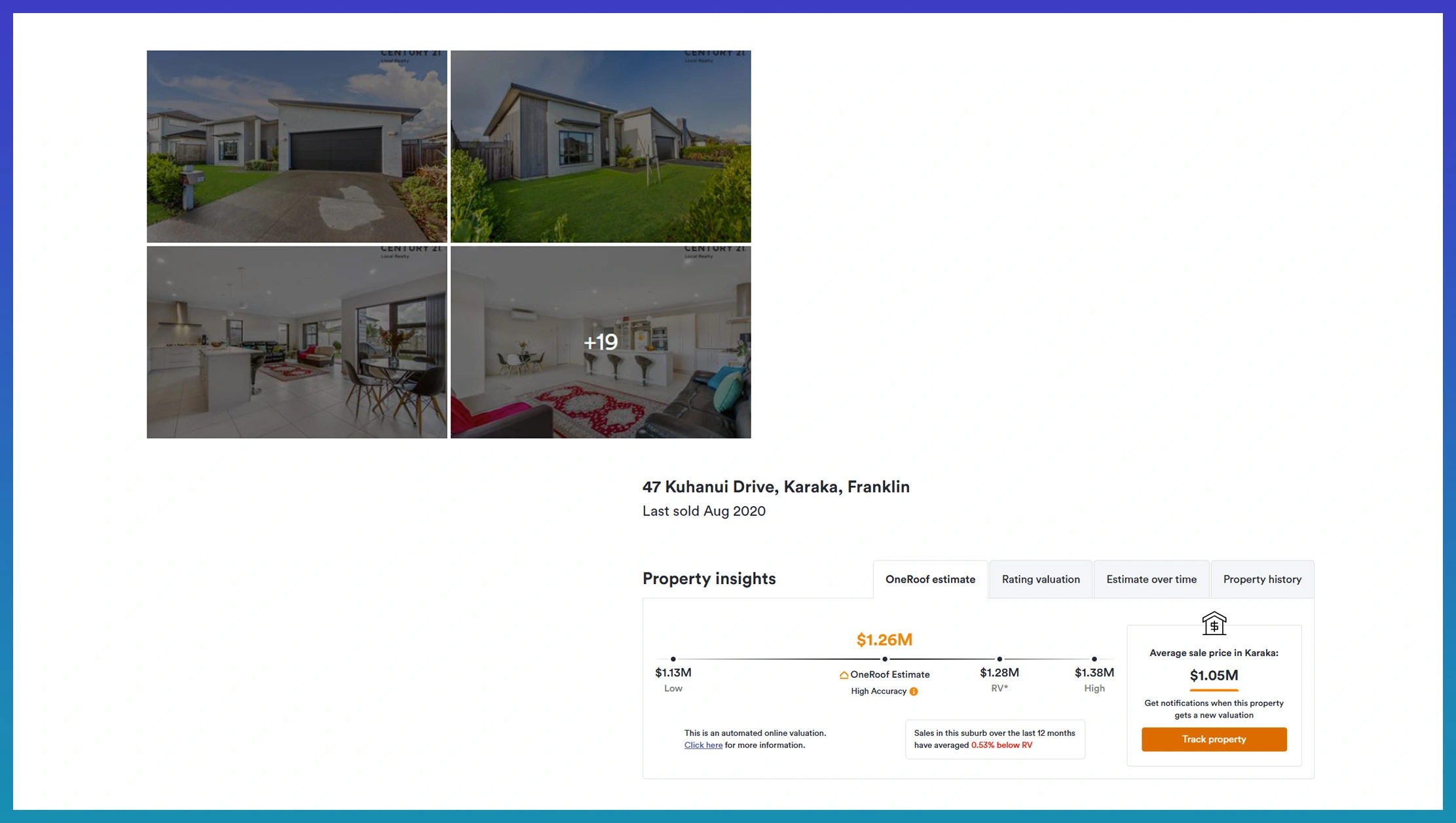
Predicting rental demand and market behavior requires more than historical observation—it demands advanced analytics powered by large-scale data. Businesses today rely on intelligent systems to anticipate shifts in demand, pricing, and occupancy. By integrating Rental Price Tracking New Zealand into predictive frameworks, organizations can monitor fluctuations and prepare for upcoming market changes with greater confidence.
Analytical models built on reliable datasets enable businesses to forecast trends using variables such as population growth, economic indicators, and seasonal demand cycles. These models are further strengthened by insights from New Zealand Rental Market Data Analysis 2026, which provide a forward-looking perspective on rental dynamics and housing supply patterns.
Predictive Analytics Table:
| Factor | Predictive Insight | Business Benefit |
|---|---|---|
| Economic Indicators | Signals demand fluctuations | Improved strategic planning |
| Population Growth | Highlights housing requirements | Targeted development opportunities |
| Rental Demand Trends | Estimates occupancy rates | Better asset utilization |
| Market Volatility | Assesses uncertainty levels | Risk mitigation strategies |
For professionals seeking clarity on How to Track Rental Trends in New Zealand, combining predictive analytics with structured data sources ensures a more accurate and scalable approach. This not only improves forecasting precision but also helps identify potential risks before they impact profitability.
How Web Fusion Data Can Help You?
Modern rental markets demand precision, speed, and scalability in data analysis. Businesses that aim to Track NZ Rental Market Trends Using Web Scraping require a robust partner capable of delivering reliable, real-time datasets and actionable intelligence.
Our solutions are designed to simplify complex data challenges and enable smarter decision-making across property portfolios:
- Continuous data extraction from multiple rental platforms.
- Custom dashboards for real-time market insights.
- Scalable architecture for large-volume data processing.
- Data normalization for accurate comparisons.
- AI-driven analytics for forecasting trends.
- Seamless integration with business intelligence tools.
By combining technology with domain expertise, we ensure clients gain a competitive edge in understanding market dynamics. Our solutions also support Rental Market Trends New Zealand, helping businesses translate raw data into measurable growth opportunities.
Conclusion
The rental landscape in New Zealand continues to evolve, requiring businesses to adopt smarter strategies for sustained success. Midway through analysis, companies that Track NZ Rental Market Trends Using Web Scraping gain a significant advantage by accessing real-time insights and improving decision accuracy across investments and pricing models.
At the same time, integrating structured datasets such as Property Rental Dataset enhances forecasting capabilities and ensures long-term planning aligns with market realities. If you're looking to transform your rental data strategy, connect with Web Fusion Data today and take the next step toward data-driven real estate success.