
Introduction
Online shoppers increasingly depend on authentic customer feedback to guide their purchasing choices, turning review intelligence into a critical strategic asset for modern brands. By applying Product Sentiment Analysis Using Amazon Reviews alongside Python-based scraping and analytics, businesses can transform unstructured text into actionable sentiment scores, thematic insights, and predictive indicators that drive smarter, data-backed product strategies.
The ability to automate this workflow enables teams to monitor perception shifts in real time, identify recurring pain points, and measure satisfaction levels across product lines. Python-based pipelines combining scraping libraries, data preprocessing scripts, and NLP models provide a scalable foundation for such analysis.
For organizations seeking advanced data extraction and analytics capabilities, integrating Ecommerce Scraping Services ensures reliable access to structured review datasets while maintaining compliance and data accuracy. This approach not only improves research efficiency but also reduces manual effort in tracking sentiment changes across thousands of SKUs.
Establishing a Structured Data Pipeline for Reviews
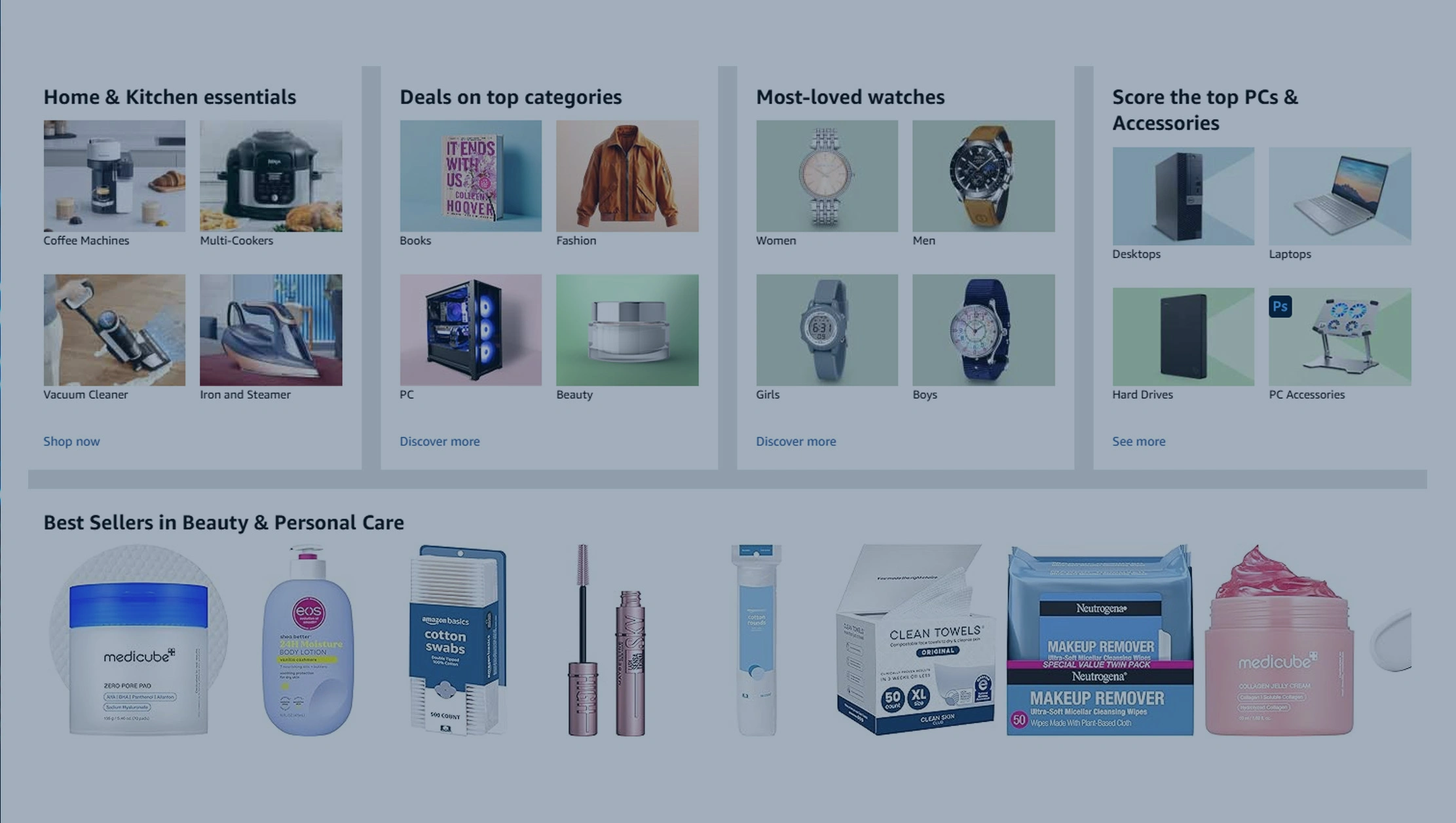
Collecting consistent and reliable review data is essential for accurate analysis. Python provides versatile scraping frameworks, such as Requests, BeautifulSoup, and Selenium, to extract structured information including reviewer names, timestamps, star ratings, and textual feedback. These tools handle dynamic content, pagination, and ensure completeness of collected data.
After collection, integrating a E-Commerce Data Intelligence Framework helps standardize and validate incoming data. This framework guides deduplication, normalization, and schema alignment, ensuring downstream analysis is consistent and meaningful. Data cleaning is a critical step: review text may contain typos, emojis, or HTML artifacts. Python scripts can tokenize sentences, remove irrelevant characters, apply lemmatization, and filter noise to improve analytical accuracy.
Version control and auditability play an important role. Storing both raw and cleaned data separately allows analysts to trace errors and validate insights. Automated cloud pipelines, combined with scheduled scraping, further enhance scalability and operational efficiency.
Data Pipeline Overview:
| Stage | Processing Duration | Error Rate | Records Handled |
|---|---|---|---|
| Data Collection | 12 minutes | 1.8% | 50,000 reviews |
| Cleaning | 7 minutes | 0.6% | 48,900 reviews |
| Feature Creation | 5 minutes | 0.3% | 48,750 reviews |
| Storage | 3 minutes | 0.1% | 48,700 reviews |
By adopting a structured pipeline, organizations ensure reliability and integrity of review datasets. The resulting high-quality data supports Amazon Product Reviews Extraction, laying the groundwork for accurate insights and trend identification across large product categories.
Designing Natural Language Models for Accurate Insights
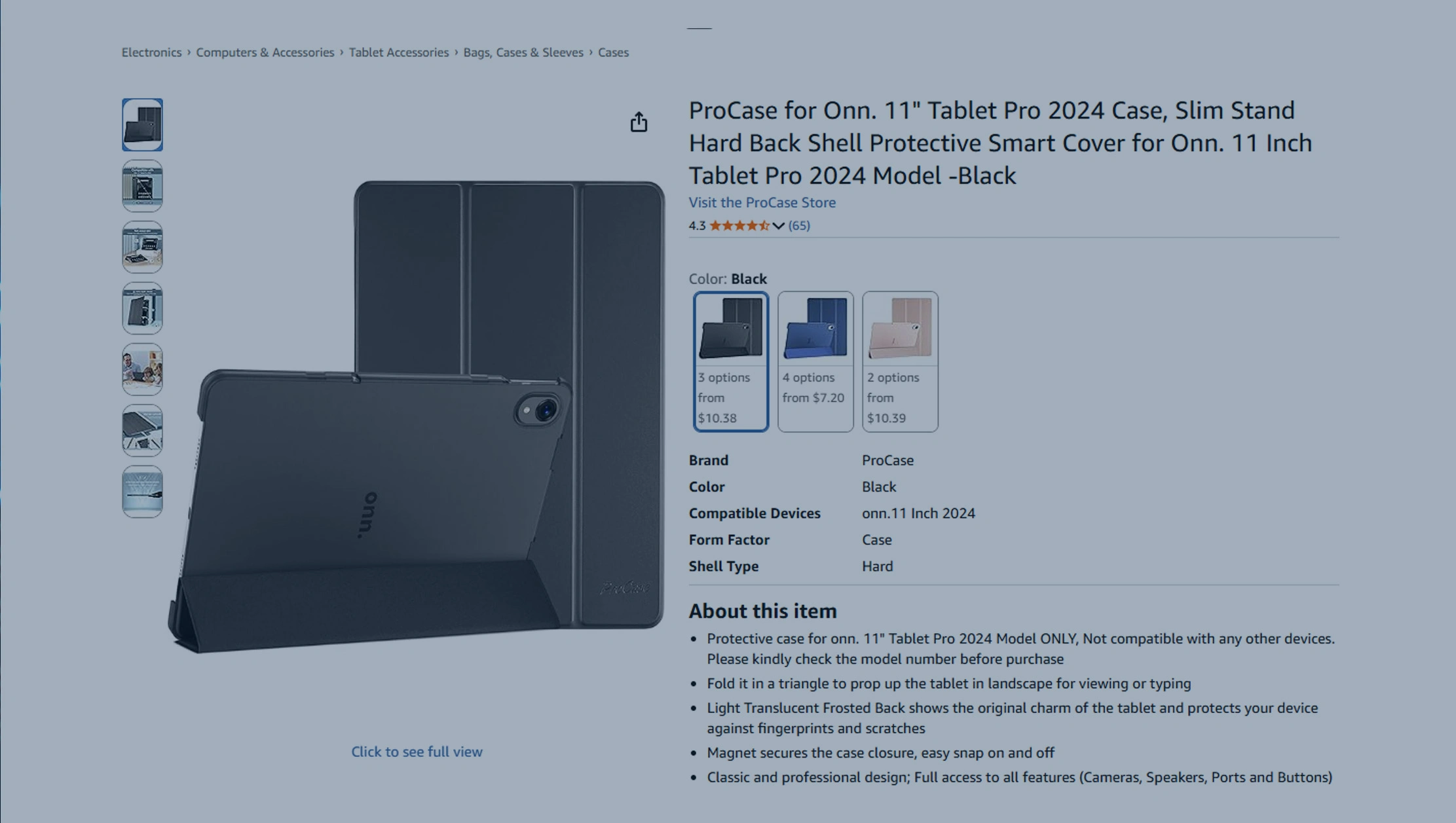
Once the dataset is cleaned and structured, the next step is creating NLP models to derive actionable insights. Python's libraries, such as NLTK, spaCy, and transformer-based frameworks, enable advanced text feature extraction. Techniques like TF-IDF, word embeddings, and contextual encodings allow models to interpret review content effectively.
Supervised learning approaches, including logistic regression, SVM, and deep learning models, can classify textual sentiment accurately. Fine-tuning pretrained language models often reaches exceptional performance levels. Validation using k-fold cross-validation ensures the model generalizes well and avoids overfitting.
For strategic decision-making, sentiment outcomes can be combined with market metrics. This provides the ability to compare consumer feedback with sales trends, product updates, or marketing efforts. Incorporating insights from Competitive Analysis Using Amazon Reviews enables organizations to understand positioning, emerging gaps, and feature reception in the market.
Model Evaluation Metrics:
| Model Type | Accuracy | Precision | Recall | F1-Score |
|---|---|---|---|---|
| Logistic Regression | 84.2% | 83.5% | 82.9% | 83.2% |
| SVM | 88.7% | 88.1% | 87.6% | 87.8% |
| LSTM Network | 91.4% | 91.0% | 90.6% | 90.8% |
| Transformer Model | 92.1% | 92.0% | 91.8% | 91.9% |
With optimized feature engineering and hyperparameter tuning, teams can consistently achieve high-accuracy sentiment scores that support decision-making, product improvements, and market strategy.
Automating Workflows and Using API Alternatives Effectively
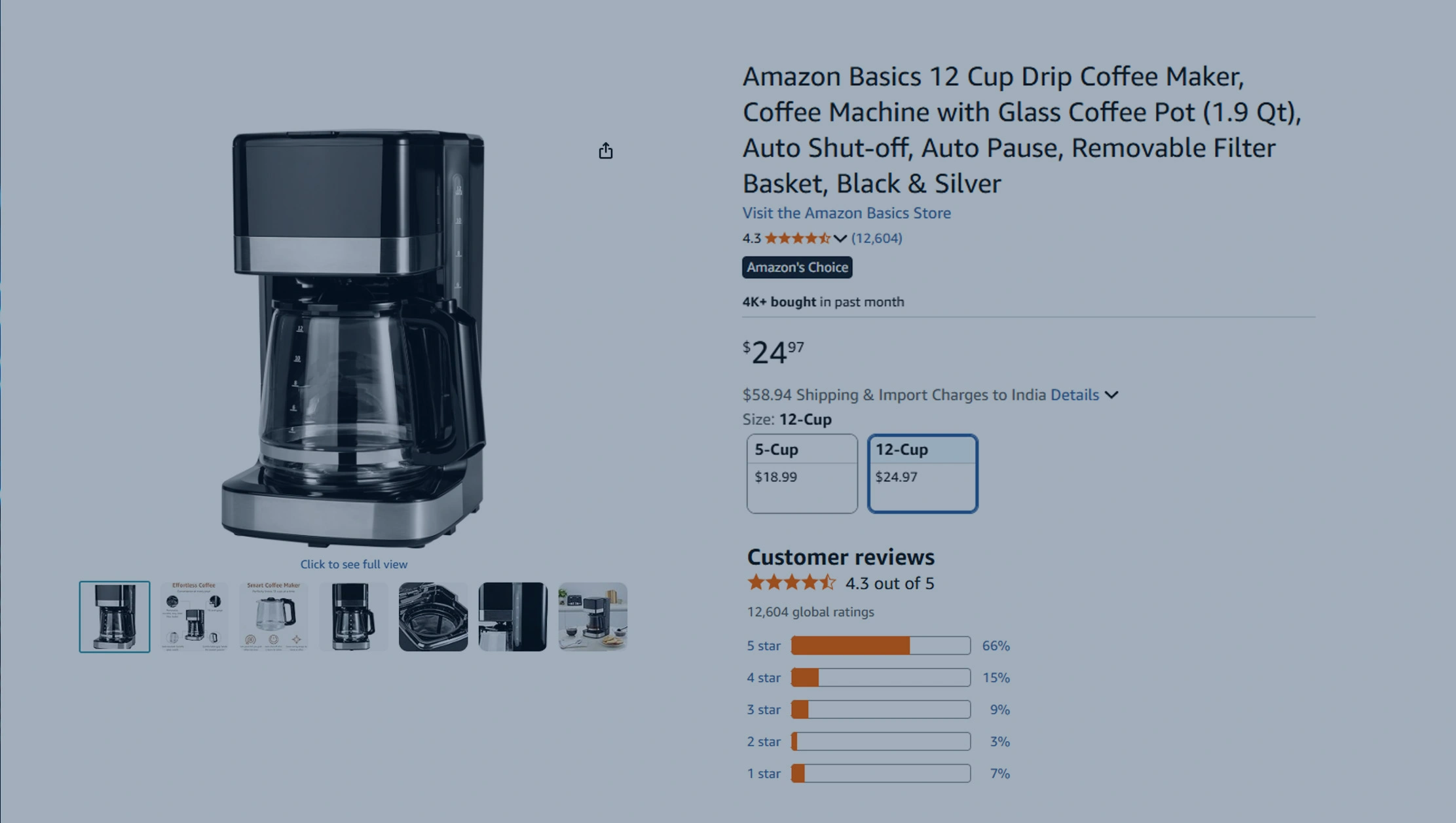
As review volumes grow, automation is essential for timely and efficient analysis. Scheduled scraping jobs, batch processing pipelines, and containerized deployments enhance throughput, reduce errors, and improve operational stability.
When direct APIs are unavailable or limited, using a compliant Amazon Reviews API Alternative ensures uninterrupted access to structured datasets. Automation allows teams to monitor consumer feedback continuously, detect shifts in perception, and react promptly to recurring issues.
Integrating processed data into visualization platforms provides near real-time insights. Decision-makers can track patterns in sentiment, emerging concerns, and positive mentions. This enables advanced Sentiment Analysis From Amazon Reviews, supporting roadmap planning, quality improvement, and marketing initiatives.
Automation Benefits Overview:
| Component | Manual Effort Saved | Speed Improvement | Update Frequency |
|---|---|---|---|
| Data Collection | 70% | 3x | Hourly |
| Cleaning | 60% | 2.5x | Daily |
| Modeling | 55% | 2x | Weekly |
| Reporting | 65% | 3x | Real-Time |
Through automation and scalable processes, businesses ensure insights remain timely and actionable while maintaining high-quality analytical output. These structured systems provide a reliable foundation for monitoring trends and improving decision-making using an Amazon Review Monitoring Tool.
How Web Fusion Data Can Help You?
Modern brands seeking high-accuracy insights increasingly rely on Product Sentiment Analysis Using Amazon Reviews to guide product enhancements, pricing strategies, and customer engagement initiatives.
Key Benefits of Partnering with us:
- Custom scraping pipelines aligned with your business goals.
- Scalable data architectures for high-volume review ingestion.
- Automated preprocessing and quality validation routines.
- NLP-ready datasets optimized for machine learning models.
- Secure data storage with audit-ready version control.
- Actionable dashboards for executive decision support.
By combining advanced scraping technology with analytical expertise, we help organizations operationalize review intelligence efficiently using an Amazon Review Monitoring Tool.
Conclusion
In today's data-driven marketplace, Product Sentiment Analysis Using Amazon Reviews provides a measurable advantage in understanding customer expectations, reducing product defects, and optimizing feature development. Python-powered workflows enable businesses to convert raw feedback into structured intelligence that supports faster, evidence-based decisions across product and marketing teams.
By aligning sentiment insights with Competitive Analysis Using Amazon Reviews, organizations gain a holistic view of their market position while tracking shifts in consumer perception. Contact Web Fusion Data now to implement your custom sentiment analytics solution.