Introduction
Arizona’s restaurant market is moving faster than ever, driven by rising ingredient costs, shifting consumer demand, and aggressive competition between dine-in brands and delivery-first kitchens. Many restaurants unknowingly operate with inconsistent pricing across cities, platforms, and even menu categories, creating avoidable revenue loss.
Food Delivery Data Intelligence has become essential for restaurants aiming to optimize pricing strategies and maximize profitability. By analyzing structured menu data, customer ordering behavior, and regional demand trends, brands can uncover what customers order most, what they avoid, and which price points encourage repeat purchases. Recent market studies indicate that price variations between similar dishes can reach up to 42% depending on neighborhood demand and platform markups.
This is why Scraping Arizona Food Pricing Data is emerging as a powerful strategy for restaurant owners, franchise operators, and food analytics teams. By tracking competitor pricing shifts, menu popularity trends, and platform-based markups, businesses gain actionable insights that eliminate guesswork. Leveraging these data-driven insights allows brands to refine pricing, improve menu performance, and strengthen their competitive position across Arizona’s dynamic food delivery landscape.
Pricing Differences That Impact Restaurant Revenue Growth
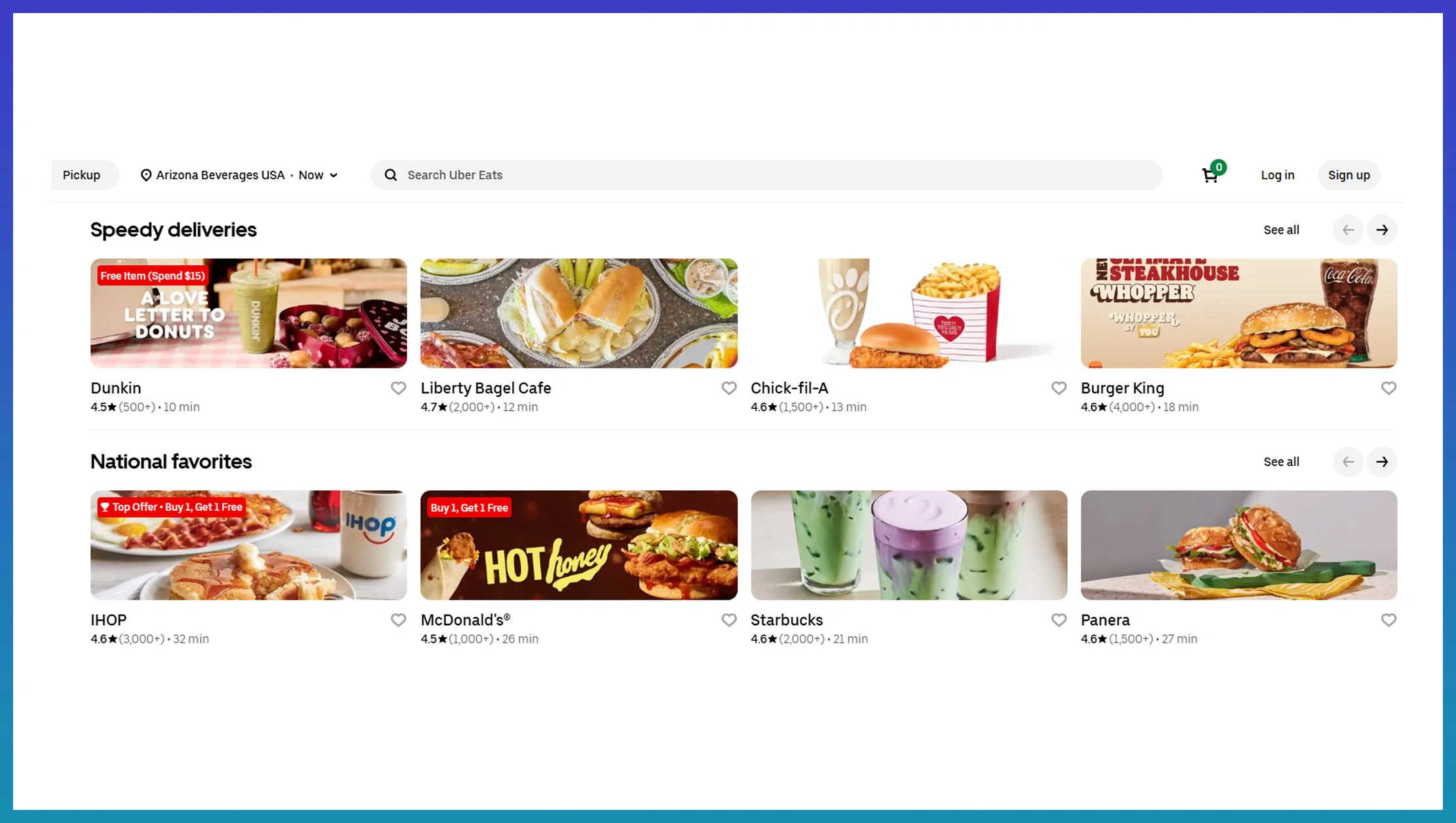
Arizona’s restaurant market is highly fragmented, creating a major challenge for food brands: inconsistent pricing across locations and delivery platforms. Many restaurants unknowingly charge different rates for similar dishes depending on the city, marketplace commissions, and time-based demand fluctuations.
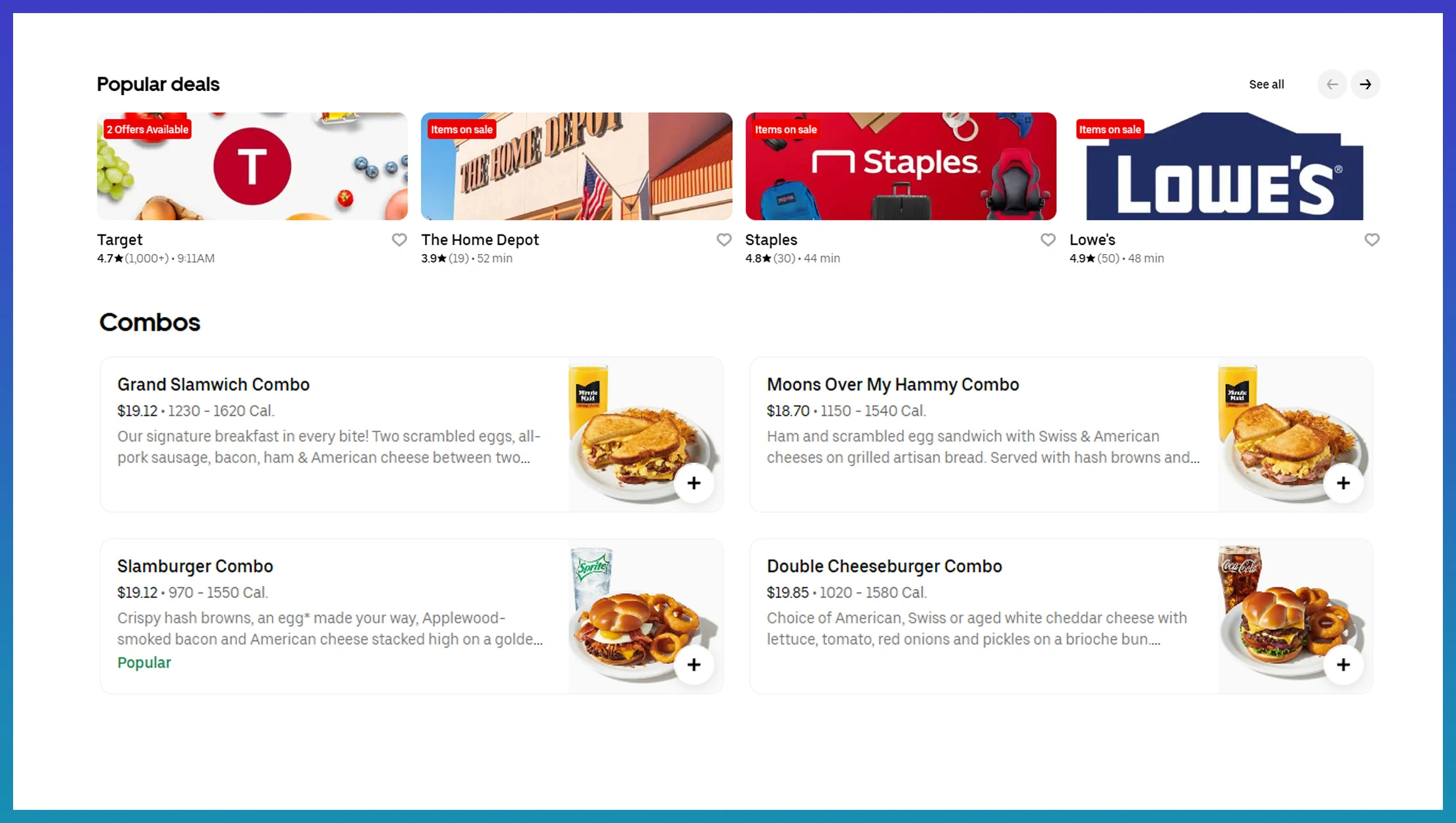
To address this, brands increasingly rely on Arizona Menu Price Scraping to monitor how competitors price similar items across multiple restaurant categories. Market observations indicate that restaurants tracking competitor pricing weekly can reduce pricing errors by nearly 25%, particularly in high-volume categories like burgers, burritos, salads, pizza, and beverages.
Additionally, structured Food Data Scraping Services enable businesses to capture real-time menu updates, combo deals, promotional discounts, and seasonal pricing adjustments. Without consistent monitoring, restaurants risk promoting items that no longer align with current demand trends or competitive pricing benchmarks.
| Dish Category | Lowest Price Range | Highest Price Range | Price Gap % | High Demand City |
|---|---|---|---|---|
| Burgers | $8.99 | $12.99 | 44% | Phoenix |
| Burritos | $7.49 | $10.99 | 47% | Tucson |
| Salads | $9.99 | $14.49 | 45% | Scottsdale |
| Pizza | $11.99 | $17.99 | 50% | Mesa |
| Coffee Drinks | $3.49 | $5.99 | 42% | Tempe |
These pricing differences highlight how unstable menu pricing can be across Arizona’s cities. Restaurants that consistently track these shifts can build stronger pricing strategies, protect profit margins, and avoid losing customers to more competitively priced alternatives.
Demand Patterns Shaping Modern Arizona Food Choices
Restaurant demand in Arizona is evolving rapidly, with consumer preferences becoming more data-driven and predictable. Customers are no longer choosing meals based only on taste — convenience, delivery compatibility, social trends, and health factors now heavily influence buying decisions. Studies indicate that delivery-friendly dishes can generate up to 35% higher repeat orders compared to traditional plated menu items.
To measure these changes accurately, restaurants are investing in Popular Dishes Analysis Arizona to identify which menu categories are gaining sustained traction. This helps brands avoid over-promoting items that are gradually losing demand. Simultaneously, collecting Arizona Popular Dishes Data enables smarter menu planning by distinguishing between consistently high-performing dishes and seasonal spikes.
When combined with Food Delivery Data Intelligence, these insights provide a comprehensive understanding of ordering behavior. Restaurants can refine menu structure, reduce ingredient waste, optimize pricing strategies, and concentrate marketing efforts on dishes that deliver higher conversion rates.
| Dish Type | Demand Growth (YoY) | Avg Price Range | Most Ordered Time | Key Consumer Driver |
|---|---|---|---|---|
| Burrito Bowls | 31% | $10–$13 | Lunch | Convenience |
| Wings | 28% | $12–$16 | Evening | Group Orders |
| Tacos | 24% | $8–$11 | Late Night | Fast Prep |
| Loaded Fries | 29% | $9–$14 | Dinner | Social Media Trends |
| Smoothies | 22% | $6–$9 | Morning | Health Preference |
These demand trends clearly demonstrate that growth patterns are structured, not random. Restaurants that consistently monitor dish popularity and ordering behavior can align pricing, promotions, and product launches with real consumer demand, leading to stronger revenue performance and improved operational efficiency.
Competitor Pricing Shifts Influencing Market Stability
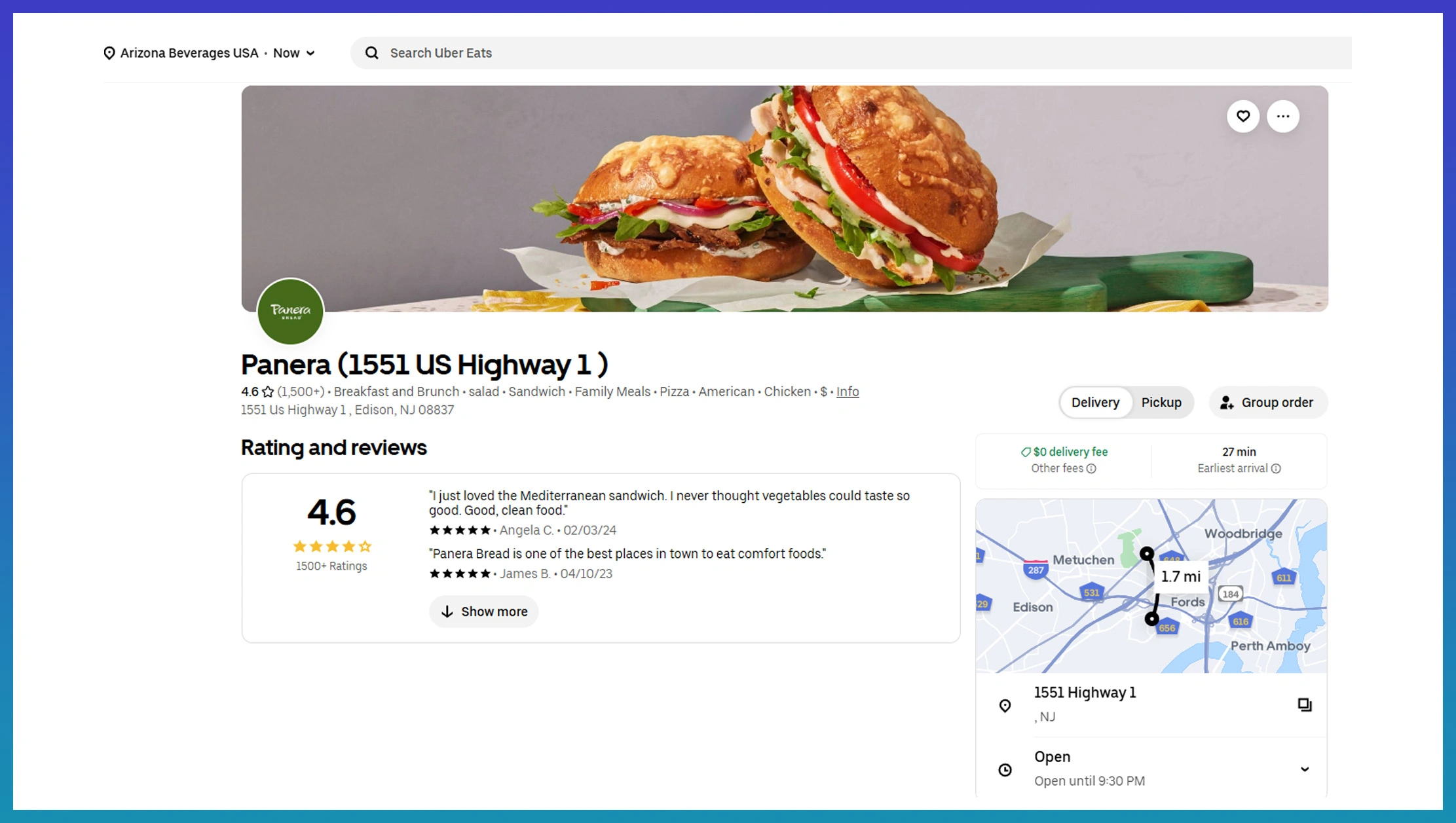
Arizona’s food market is becoming increasingly competitive, particularly with the rapid expansion of delivery-first brands and cloud kitchens. While some restaurants revise pricing quarterly, competitors often adjust weekly in response to tourism spikes, local events, inflation trends, and changing neighborhood demand. This creates significant risk for brands that fail to track real-time pricing movements.
To stay competitive, businesses are leveraging Arizona Food Pricing Analysis to monitor category-level price fluctuations across rival restaurants. This enables teams to quickly identify discount rollouts, combo restructuring, delivery fee adjustments, and premium repositioning strategies introduced by competitors.
An added strategic advantage comes from Web Scraping Food Prices Arizona, which allows structured tracking of menu pricing updates across multiple delivery platforms. Continuous monitoring improves forecasting accuracy, strengthens promotional planning, and enables faster response to sudden market shifts.
| Pricing Strategy | Frequency Observed | Typical Discount Range | Target Category | Business Goal |
|---|---|---|---|---|
| Weekend Discounts | High | 10%–20% | Pizza, Wings | Boost Orders |
| Meal Combo Pricing | Medium | 12%–18% | Burgers, Tacos | Increase Basket Size |
| Delivery Fee Adjustments | High | Varies | All Categories | Conversion Growth |
| Seasonal Limited Menu | Medium | 5%–15% | Desserts, Drinks | Brand Buzz |
| Premium Price Push | Low | +8%–12% | Steak, Seafood | Higher Margin |
These competitor pricing patterns demonstrate how quickly the Arizona restaurant market shifts. Brands that consistently monitor these movements can avoid delayed reactions, protect revenue, maintain competitive positioning, and improve long-term pricing stability.
How Web Fusion Data Can Help You?
Restaurants today require more than manual research to stay competitive in Arizona’s rapidly shifting food market. By building a structured intelligence system, Scraping Arizona Food Pricing Data becomes a continuous decision-making asset rather than a one-time report. This enables restaurants to respond faster to market changes and competitor movements.
What You Can Achieve With Us:
- Multi-City Pricing Monitoring: Track pricing movements across multiple Arizona cities to maintain competitive consistency.
- Competitor Menu Tracking: Monitor new menu additions, item removals, and promotional changes introduced by competitors.
- Dish-Level Demand Analysis: Measure weekly demand fluctuations to identify trending and declining menu items.
- Instant Pricing Gap Identification: Detect category-level price differences and adjust strategies proactively.
- Platform-Specific Comparisons: Compare pricing variations across delivery platforms to optimize margins.
- Structured Forecasting Datasets: Build organized datasets to support accurate forecasting, seasonal planning, and expansion strategies.
With these capabilities, your brand can confidently design pricing campaigns, refine seasonal menus, and plan growth strategies using Popular Dishes Analysis Arizona as a strong foundation for smarter, data-driven decision-making.
Conclusion
Arizona’s restaurant market presents strong growth opportunities, but pricing inconsistencies and rapidly shifting demand trends create significant risks for brands that rely on manual decision-making. A data-driven approach powered by Scraping Arizona Food Pricing Data enables restaurants to monitor real-time competitor pricing, refine menu positioning, and minimize revenue leakage caused by outdated or misaligned pricing strategies.
By leveraging Arizona Menu Price Scraping, restaurants can develop a structured and competitive pricing model that supports long-term profitability and sustainable growth. Connect with Web Fusion Data today and let our experts build a reliable restaurant pricing intelligence pipeline tailored to your business goals.