Introduction
Australia’s citrus category is experiencing notable price fluctuations driven by seasonality, sourcing regions, retailer strategy, and SKU-specific positioning. From navel oranges to mandarins and lemons, price movements are no longer uniform across supermarket chains. Instead, they vary significantly at individual product-code levels, often leading to as much as 18% price differences for the same fruit category across competitors.
Retailers are increasingly turning to Grocery Pricing Intelligence Solutions to decode these granular differences and optimize margin strategies. Detailed SKU tracking provides clarity on packaging sizes, brand labels, organic variants, and promotional pricing that collectively influence consumer buying decisions. As citrus demand peaks during winter and early spring, price competitiveness becomes even more critical.
Through structured SKU Level Price Benchmarking Australia, supermarkets can identify pricing inefficiencies, detect competitor shifts, and align seasonal pricing models more accurately. This blog explores the pricing gaps, operational challenges, and actionable strategies behind citrus price variations across leading Australian supermarkets.
Managing Seasonal Citrus Volatility Across Retail Chains
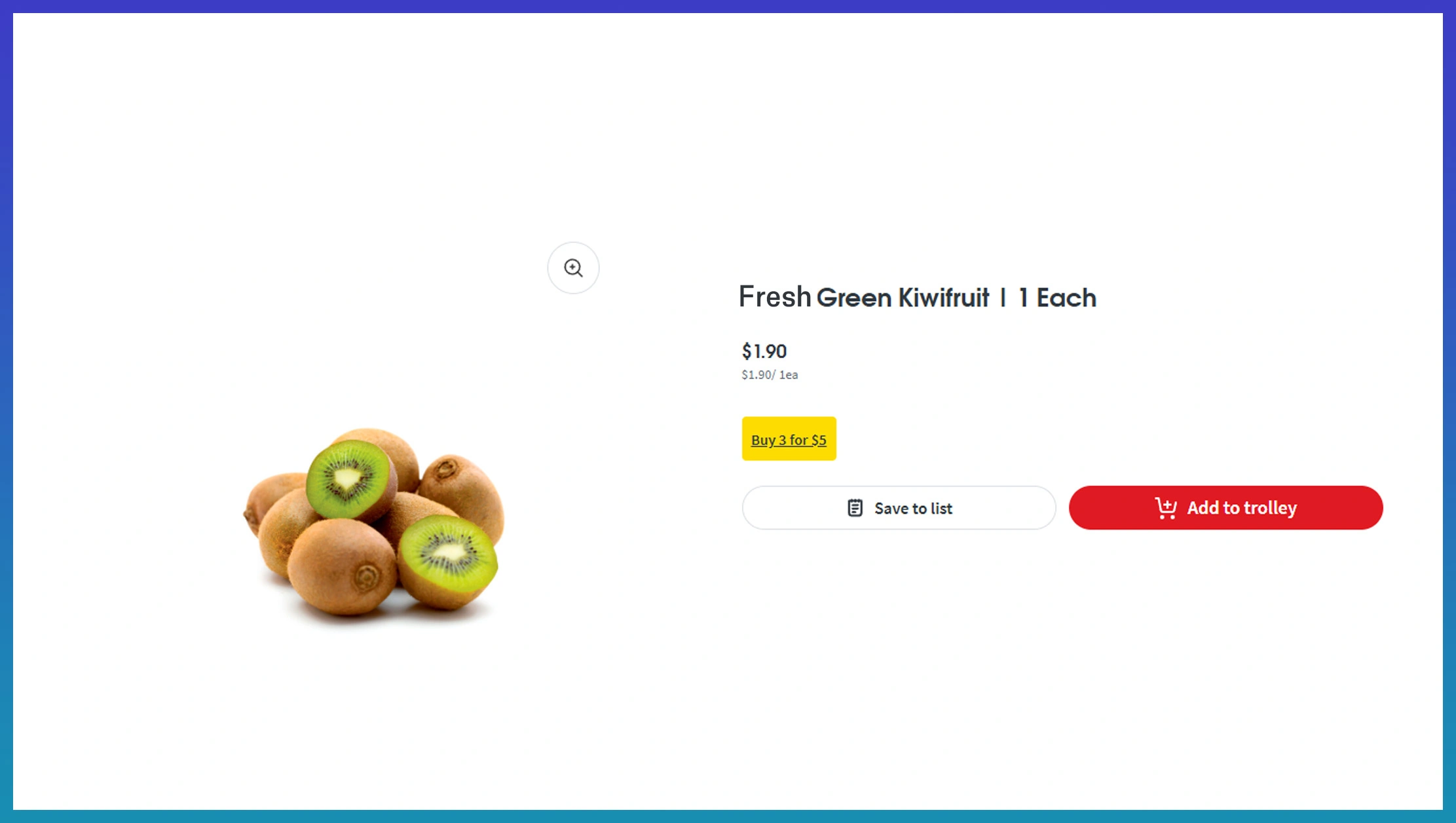
Seasonal supply cycles continue to reshape citrus pricing patterns across Australia, with supermarkets responding differently to peak and off-peak harvest periods. While overall category pricing may appear stable, SKU-level observation reveals price gaps reaching up to 18% between leading chains. Variations often stem from sourcing contracts, transport costs, and promotional rotation strategies that differ by retailer.
A recent Grocery Pricing Benchmarking Study highlights that citrus promotions are rarely synchronized across competitors. One retailer may discount navel oranges aggressively to drive traffic, while another maintains margin protection through smaller markdowns. This divergence increases short-term volatility and influences consumer switching behavior.
Retailers adopting structured Price Monitoring Services gain faster visibility into competitor markdowns, enabling more timely responses. Meanwhile, analysis of Supermarket Citrus Price Trends shows that private labels generally maintain tighter price bands compared to branded or organic citrus products.
Winter Citrus SKU Price Snapshot:
| Citrus SKU | Supermarket A (AUD) | Supermarket B (AUD) | Supermarket C (AUD) | Price Gap % |
|---|---|---|---|---|
| Navel Oranges 1kg Bag | 3.20 | 3.75 | 3.50 | 17% |
| Mandarins 1kg | 4.00 | 4.60 | 4.45 | 15% |
| Lemons 500g Pack | 2.80 | 3.30 | 3.10 | 18% |
| Valencia Oranges kg | 3.90 | 4.50 | 4.20 | 15% |
These findings emphasize the importance of Australian Grocery Price Benchmarking Citrus Fruit in identifying inconsistencies that impact both revenue and competitiveness. Retailers that fail to monitor SKU-level gaps risk either eroding margin during peak supply or losing volume due to overpricing in competitive zones.
Decoding Competitive Pricing Patterns at Product Level
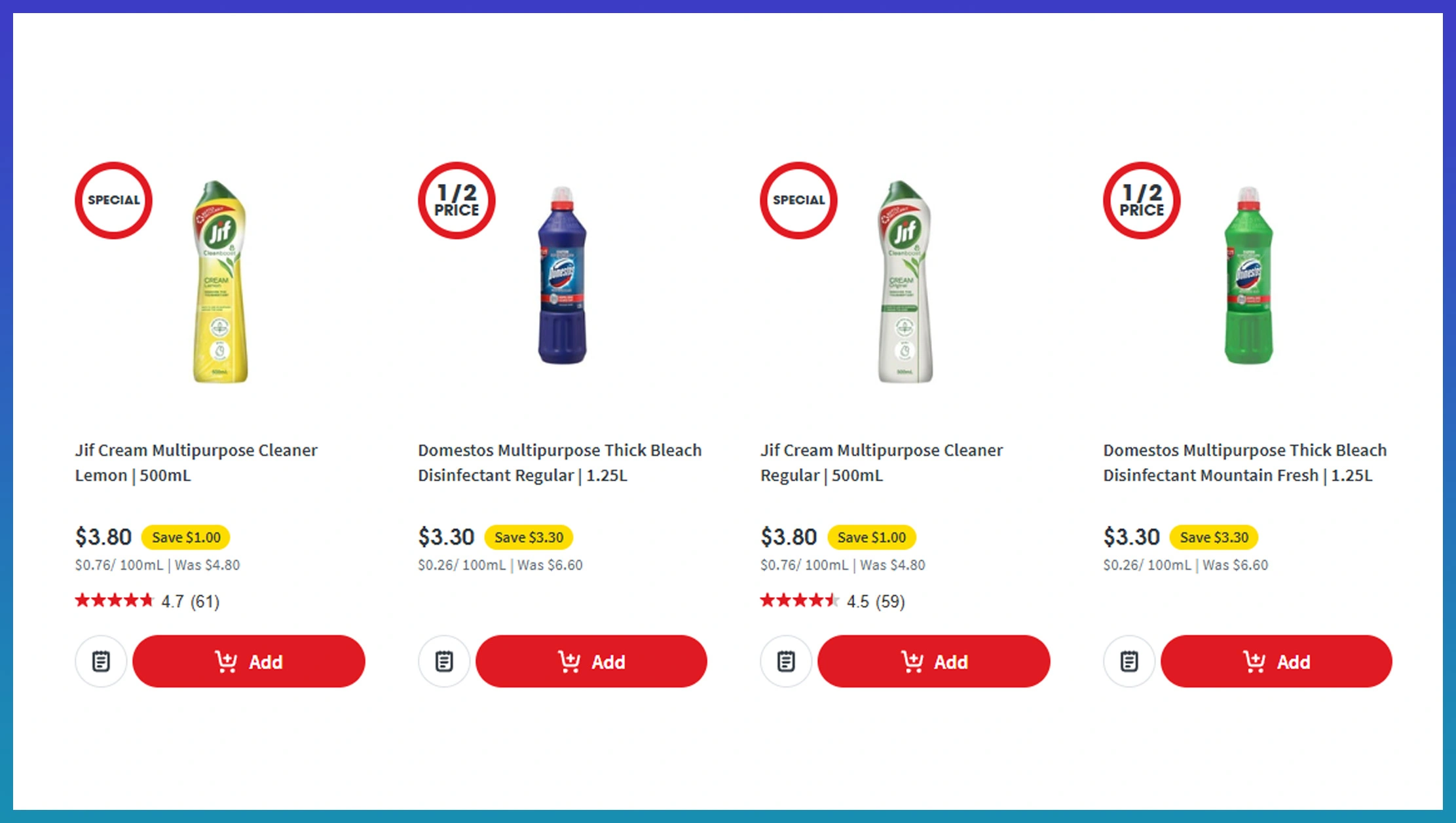
Understanding pricing at product-code level allows retailers to move beyond category averages and uncover tactical pricing behaviors. Pack sizes, origin labeling, and promotional mechanics all influence consumer perception and price sensitivity.
Insights from SKU Citrus Price Trends in Australian Supermarkets reveal that bulk citrus packs frequently act as traffic drivers, while loose fruit is positioned to maintain profitability. Promotional cadence varies widely, with some retailers rotating citrus discounts weekly while others align campaigns with regional harvest timelines.
Through structured Citrus Pricing Comparison by SKU, retailers identify which SKUs anchor value perception and which contribute to margin recovery. Retailers integrating consistent SKU benchmarking frameworks achieve clearer promotional planning, faster markdown alignment, and improved shelf-level execution without compromising profitability.
Promotional Week Citrus Comparison:
| Citrus Variant | Pack Type | Supermarket A | Supermarket B | Supermarket C | Gap % |
|---|---|---|---|---|---|
| Navel Oranges | 3kg Bag | 8.90 | 10.20 | 9.75 | 15% |
| Mandarins | 2kg Bag | 7.50 | 8.80 | 8.40 | 17% |
| Lemons | 1kg Net | 5.20 | 6.10 | 5.95 | 17% |
| Organic Oranges | 1kg Pack | 6.90 | 8.10 | 7.85 | 17% |
Data from ongoing Australian Grocery Price Benchmarking Citrus Fruit tracking indicates that organic citrus tends to maintain higher price gaps due to limited sourcing flexibility. Additionally, metro stores often display narrower gaps compared to regional outlets where supply chain complexity increases cost variation.
Closing Visibility Gaps in Regional Price Tracking
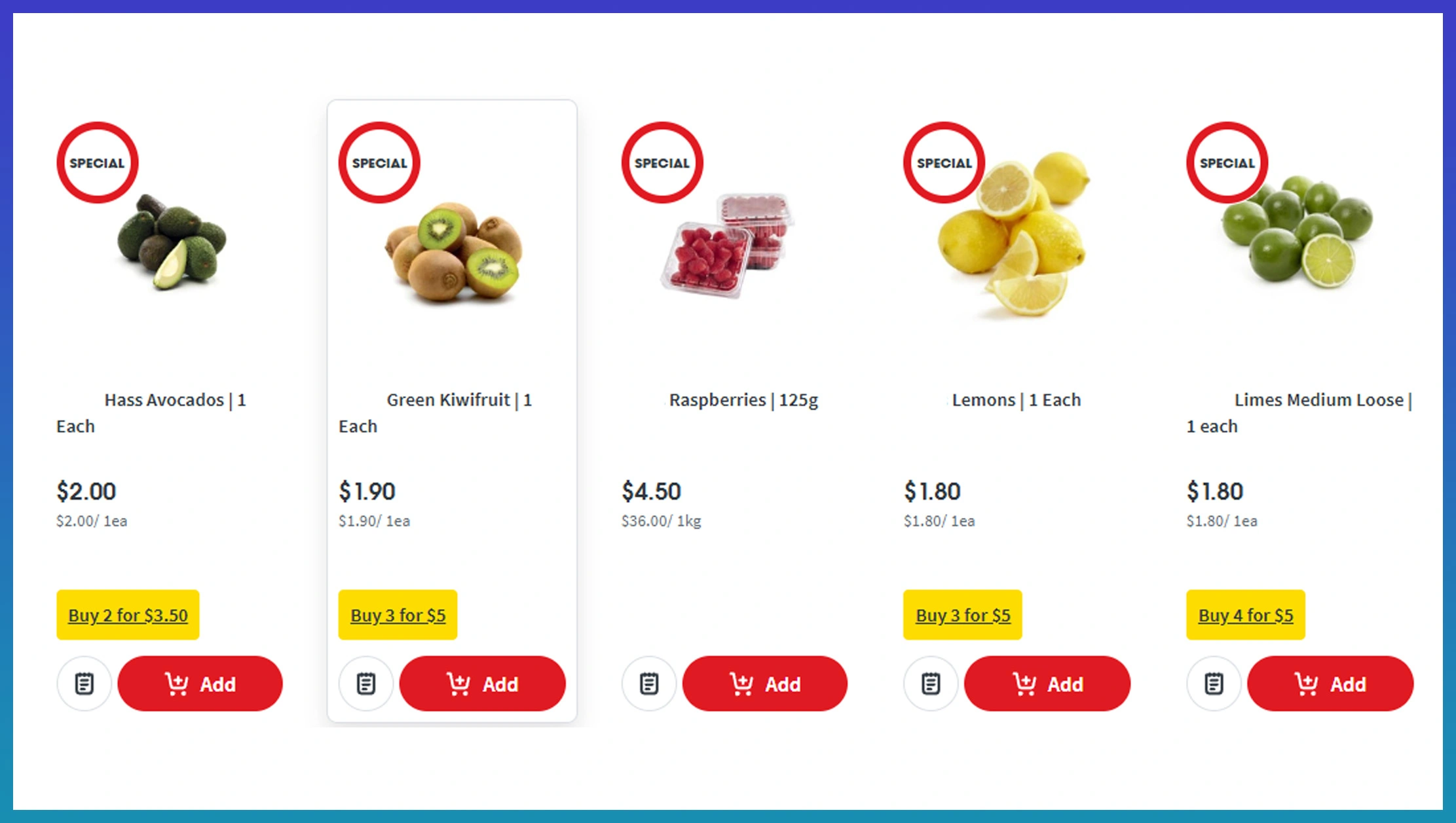
Regional fragmentation remains one of the biggest barriers to consistent citrus pricing strategy. Supermarkets frequently track national averages while overlooking region-specific SKU disparities that influence performance. Structured tracking of Supermarket Citrus Price Trends enables chains to detect these regional gaps earlier and correct inconsistencies before they affect volume.
Expanded Grocery Pricing Benchmarking Study insights reveal that lemon pricing in Queensland metros showed nearly 18% difference between chains during late winter, primarily due to supplier shifts. Similarly, mandarins in Victoria demonstrated sustained mid-season volatility across retailers.
Regional Citrus SKU Benchmark Overview:
| Region | Citrus SKU | Avg Price (AUD) | Highest (AUD) | Lowest (AUD) | Gap % |
|---|---|---|---|---|---|
| NSW Metro | Navel Oranges 1kg | 3.60 | 3.95 | 3.30 | 16% |
| VIC Metro | Mandarins 1kg | 4.40 | 4.85 | 4.05 | 17% |
| QLD Metro | Lemons 500g | 3.00 | 3.50 | 2.90 | 18% |
| WA Metro | Valencia Oranges Loose | 4.30 | 4.95 | 4.10 | 17% |
By leveraging insights from SKU Citrus Price Trends in Australian Supermarkets, retailers gain clearer regional comparatives and reduce unnecessary price variance. Consistent SKU-level visibility ensures standardized execution, protects margins during seasonal transitions, and strengthens competitive alignment across store clusters without relying solely on aggregated category pricing.
How Web Fusion Data Can Help You?
Retailers seeking clarity across citrus pricing dynamics require structured SKU-level visibility across competitors. With advanced SKU Level Price Benchmarking Australia, we provide real-time comparative intelligence that identifies hidden price gaps and seasonal discrepancies.
Our solutions help you:
- Track competitor citrus pricing daily.
- Monitor regional SKU price variance.
- Identify promotional timing differences.
- Detects private label price positioning.
- Measure seasonal price elasticity.
- Improve margin optimization strategies.
In the final stage of analysis, our reporting integrates insights aligned with SKU Citrus Price Trends in Australian Supermarkets, delivering clear dashboards that empower data-driven pricing decisions without operational complexity.
Conclusion
Retailers navigating citrus price competition benefit significantly when detailed SKU Level Price Benchmarking Australia is embedded within their pricing strategy. SKU-level visibility highlights seasonal price gaps, promotional timing shifts, and margin recovery opportunities across supermarkets.
Strategic integration of insights from Citrus Pricing Comparison by SKU strengthens decision-making and ensures retailers remain competitive during seasonal peaks. Partner with Web Fusion Data today to transform citrus pricing intelligence into measurable retail performance improvements.