Introduction
South Korea's food delivery market has evolved into a rapid, tech-driven ecosystem where consumer preferences and delivery efficiency directly impact business growth. With the surge of quick-commerce (Q-Commerce) platforms, tracking trends in popular dishes and delivery speeds has become vital for restaurants and logistics providers alike.
Observing consumer behavior in near real-time offers actionable insights for menu adjustments, inventory planning, and regional promotions. Leveraging Q-Commerce App Data Tracking while analyzing delivery speeds across multiple apps reveals operational bottlenecks and boosts customer satisfaction.
For instance, data shows that peak hours can lead to delays of up to 12–15 minutes, directly affecting repeat orders. South Korea Q-Commerce Data Scraping offers the granularity to pinpoint these trends, allowing businesses to adapt quickly and meet growing consumer expectations. This data-driven approach empowers companies to act proactively rather than reactively, creating a competitive edge in a crowded market.
Understanding Which Menu Items Are Gaining Popularity Rapidly
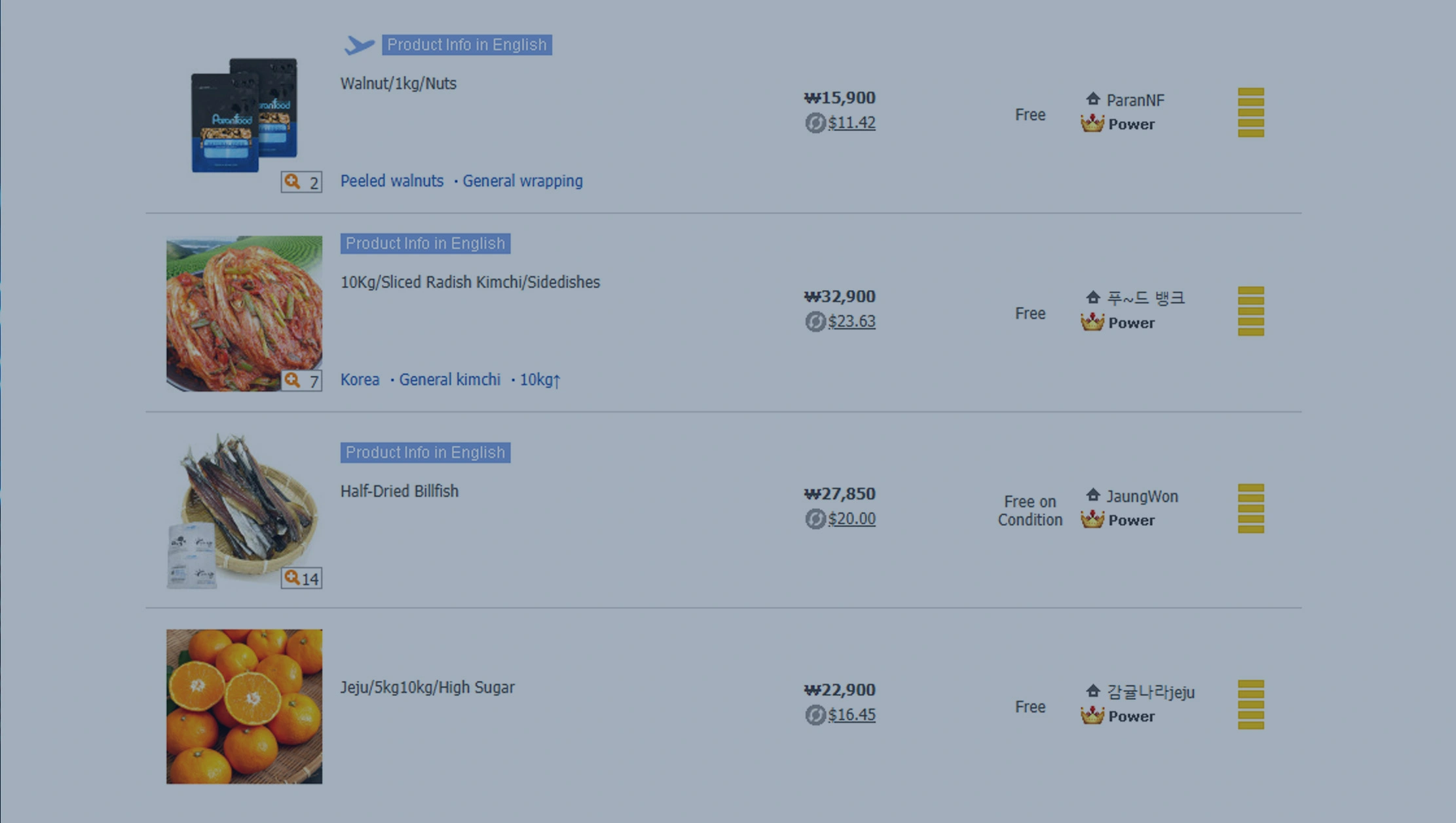
Tracking trending menu items is essential for businesses aiming to capture a larger share in the food delivery market. Through Popular Dishes Analytics South Korea, operators can identify which dishes are rising in popularity, helping guide marketing, inventory, and promotional strategies. By understanding consumer preferences across regions, businesses can introduce targeted offers and reduce waste.
| Dish Category | Order Growth (%) | Peak Time | Region Leading Orders |
|---|---|---|---|
| Korean Fried Chicken | 24 | 7 PM - 9 PM | Seoul |
| Tteokbokki | 18 | 12 PM - 2 PM | Busan |
| Sushi Sets | 22 | 6 PM - 8 PM | Incheon |
| Bibimbap Bowls | 15 | 11 AM - 1 PM | Daegu |
Analysis shows that shareable and quick-to-eat dishes dominate urban consumption patterns, with fried chicken and sushi leading growth. Tteokbokki, consistently preferred during lunch hours, indicates the importance of regional menu adaptations. By leveraging Popular Menu Item Tracking, restaurants can adjust stock, implement timely promotions, and respond to emerging preferences.
Data insights also highlight that evening demand focuses on premium and indulgent dishes, while lunch trends favor convenience-based options. Predicting which items are likely to surge enables operators to plan seasonal menus and regional launches strategically. Businesses using data-driven strategies see improved efficiency in procurement, reduced inventory costs, and stronger customer loyalty.
Adapting to these insights early allows restaurants to maintain a competitive edge. By evaluating dish performance, order frequency, and geographic trends, operators can make informed decisions that enhance both revenue and operational performance.
Analyzing Delivery Timelines To Improve Operational Efficiency
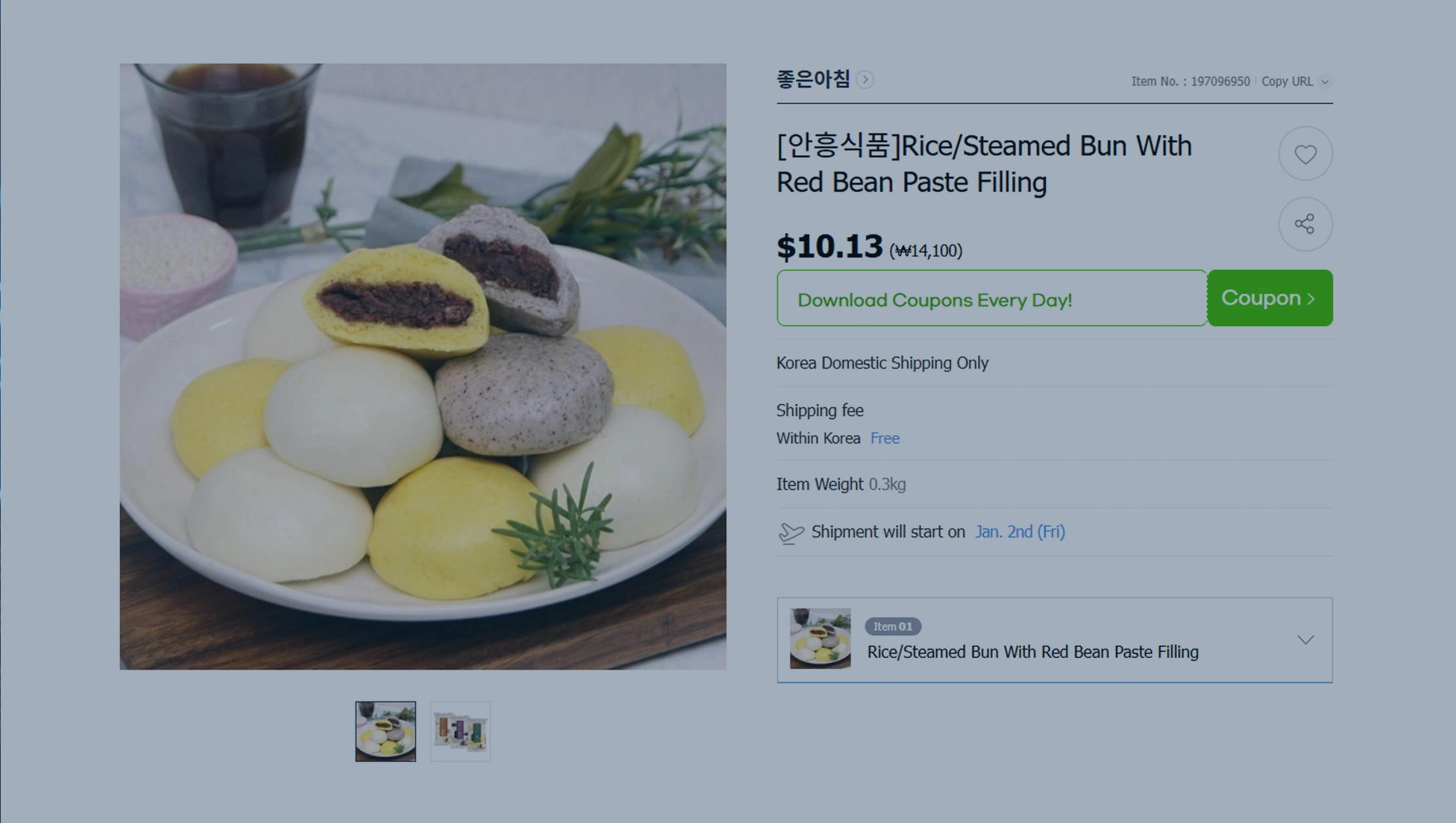
Optimizing delivery operations is crucial for maintaining high consumer satisfaction. Delivery Time Data Scraping provides a detailed view of delivery durations, peak delays, and overall operational performance, helping businesses make strategic adjustments for improved efficiency.
| Delivery Metric | Average Time (Minutes) | Peak Delay | App Performance Score |
|---|---|---|---|
| Average Delivery | 28 | 15 | 8.5/10 |
| Evening Rush Hour | 32 | 18 | 7.9/10 |
| Weekend Orders | 30 | 12 | 8.2/10 |
| Urban Center Deliveries | 25 | 10 | 9/10 |
Detailed delivery data reveals that peak hours create significant bottlenecks, especially in dense urban areas. By understanding trends across multiple platforms, businesses can allocate riders efficiently, anticipate delays, and maintain service standards. Using South Korean Delivery App Analytics, operators can benchmark performance against competitors and identify regions requiring additional resources.
The analysis further uncovers differences between weekdays and weekends, with weekend orders often causing increased delivery times due to higher volume. Real-time monitoring of delivery operations ensures that restaurants can respond quickly to any inefficiencies.
Combining delivery performance insights with order tracking allows for proactive interventions. Restaurants can anticipate high-demand periods, adjust staff schedules, and enhance customer satisfaction. Ultimately, analyzing delivery timelines supports better resource management, improves order fulfillment accuracy, and strengthens the overall brand reputation in a competitive marketplace.
Evaluating Consumer Preferences And Regional Market Behavior
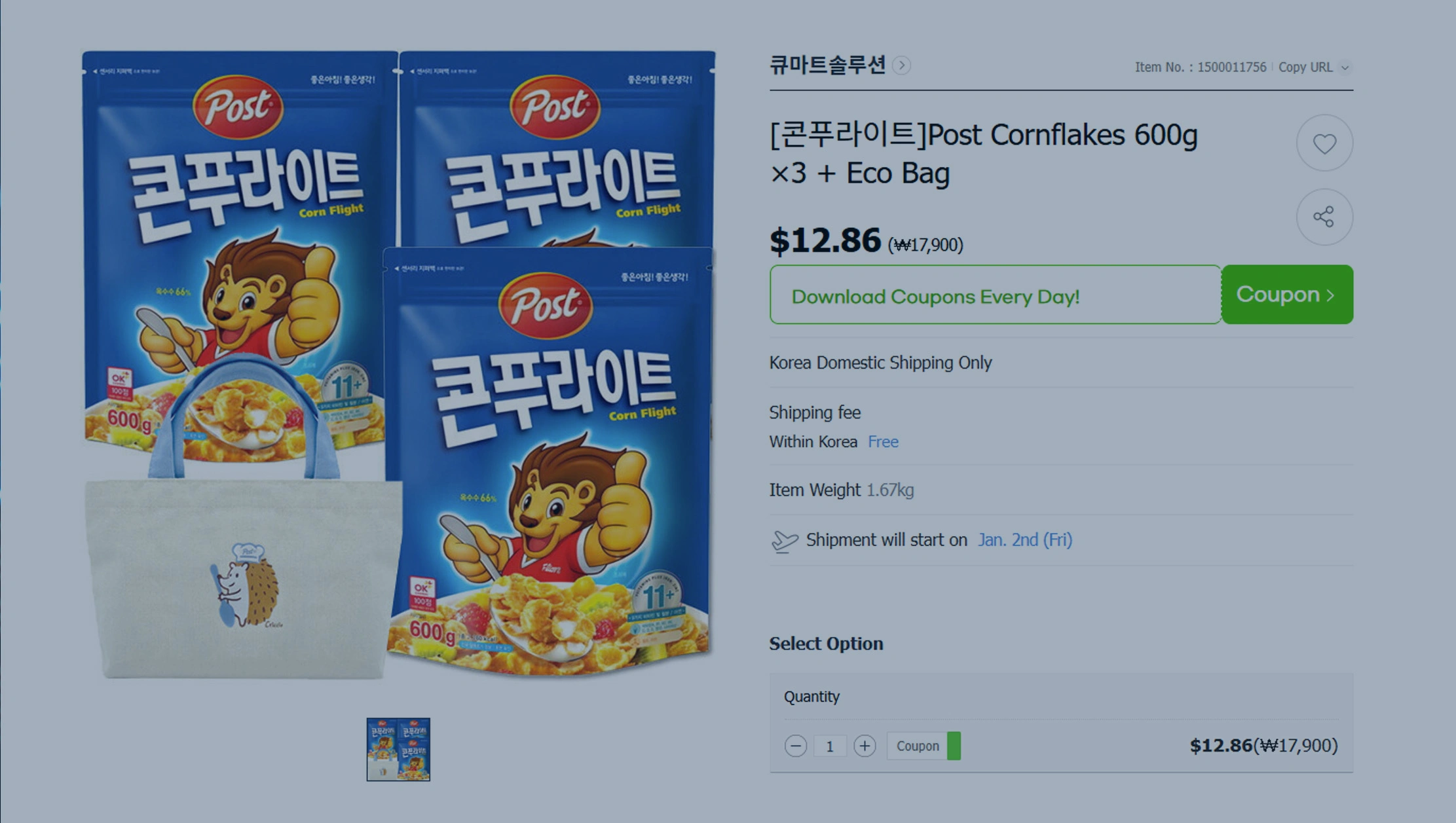
Gaining insight into consumer ordering habits is vital for menu planning, promotions, and long-term growth. Through South Korea Food Delivery Insights, businesses can monitor order frequency, regional preferences, and seasonal trends to tailor offerings for maximum impact.
| Insight Metric | Observation | Business Impact |
|---|---|---|
| Repeat Orders Rate | 38% | Targeted loyalty programs |
| Regional Hotspots | Seoul & Busan | Localized promotions |
| Seasonal Favorites | Summer Desserts | Dynamic menu adjustments |
| High-Value Orders | Dinner Peaks | Premium upselling |
Some dishes perform exceptionally well in metropolitan areas, while others see higher traction in smaller cities. Monitoring these trends enables restaurants to plan inventory and promotions efficiently. Q-Commerce Food Trends allow operators to identify which products are seeing the fastest growth, helping to forecast demand and optimize marketing strategies.
Additionally, evaluating repeat orders and high-value transactions helps businesses prioritize loyalty programs and upselling opportunities. Real-time insights into consumer habits enable restaurants to manage supply chain operations more effectively, avoiding shortages or excess inventory. Comparing performance across platforms provides actionable intelligence for pricing, product mix, and targeted campaigns.
This leads to improved satisfaction, better resource allocation, and higher overall profitability. By leveraging actionable market insights, restaurants can confidently implement strategies to maintain a competitive advantage and meet the evolving demands of their clientele.
How Web Fusion Data Can Help You?
Businesses can significantly improve operations and market understanding without manually tracking endless orders and delivery patterns. By using South Korea Q-Commerce Data Scraping, we provide precise analytics to enhance decision-making.
- Simplifies trend analysis for high-demand dishes.
- Monitors peak order times efficiently.
- Evaluates regional performance metrics.
- Tracks delivery delays across platforms.
- Provides actionable insights for menu planning.
- Supports strategic promotional campaigns.
Integrating these insights into operational planning helps companies optimize supply chains, enhance service speed, and increase customer satisfaction. Additionally, leveraging Real-Time Food Delivery Data ensures businesses remain responsive and adaptive in a fast-moving market.
Conclusion
South Korea Q-Commerce App Data Tracking offers a unique window into the evolving food delivery landscape. By analyzing rising dish demand and delivery efficiency, businesses can make informed, data-driven decisions to maximize growth.
Incorporating Q-Commerce Market Data South Korea insights into menu planning, logistics, and marketing strategies ensures better customer experiences and higher revenue. Contact Web Fusion Data now to start transforming your business performance.