Introduction
The airline industry operates in one of the most volatile pricing environments across all sectors, where fares shift multiple times daily based on demand, seasonality, and competitor behavior. For travel companies, online booking platforms, and fare aggregators, staying ahead of these rapid fluctuations requires more than manual observation; it demands structured, automated data intelligence. Airline Fare Monitoring has emerged as a foundational capability that allows businesses to track and interpret pricing movements with accuracy and consistency.
As competitive pressure intensifies across global and regional routes, companies need reliable systems to capture and respond to pricing signals efficiently. Travel Data Scraping Services enable organizations to build comprehensive fare databases without investing heavily in proprietary infrastructure, making data-backed pricing strategies accessible even for mid-sized travel enterprises. Without such systems in place, businesses risk losing bookings to competitors offering more responsive and strategically adjusted fares.
The growing dependency on digital booking platforms has further amplified the importance of structured fare intelligence. Whether the goal is revenue optimization, dynamic pricing, or customer retention, the ability to capture accurate fare data across multiple carriers and routes determines the strength of every pricing decision. Real-Time Airline Price Monitoring gives companies the speed and depth they need to act on market changes before opportunities are lost.
The Client Story
A mid-sized travel technology company operating across multiple international corridors approached us with a persistent challenge, their pricing team was unable to respond swiftly to competitor fare changes. They managed multiple booking channels but lacked a structured data pipeline capable of delivering timely, route-specific fare intelligence. Airline Fare Monitoring was identified as the cornerstone capability they needed to close this competitive gap and strengthen revenue management.
Their team relied heavily on periodic manual checks and scattered third-party reports, which provided fragmented and often outdated information. This approach not only created pricing blind spots but also delayed their ability to respond effectively during peak booking windows. The company needed a system supported by Flight Fare Intelligence Solutions that could aggregate fare data across carriers, cabin classes, and booking windows in a structured and automated manner.
Beyond operational speed, the client wanted predictive capabilities, understanding not just current fares but also how pricing patterns evolved across days and weeks. This required integrating historical fare archives with live pricing feeds to build a comprehensive decision-support framework. Airline Pricing Data Analytics would be central to fulfilling this requirement by transforming raw fare data into usable business intelligence for their revenue and marketing teams.
The Challenges
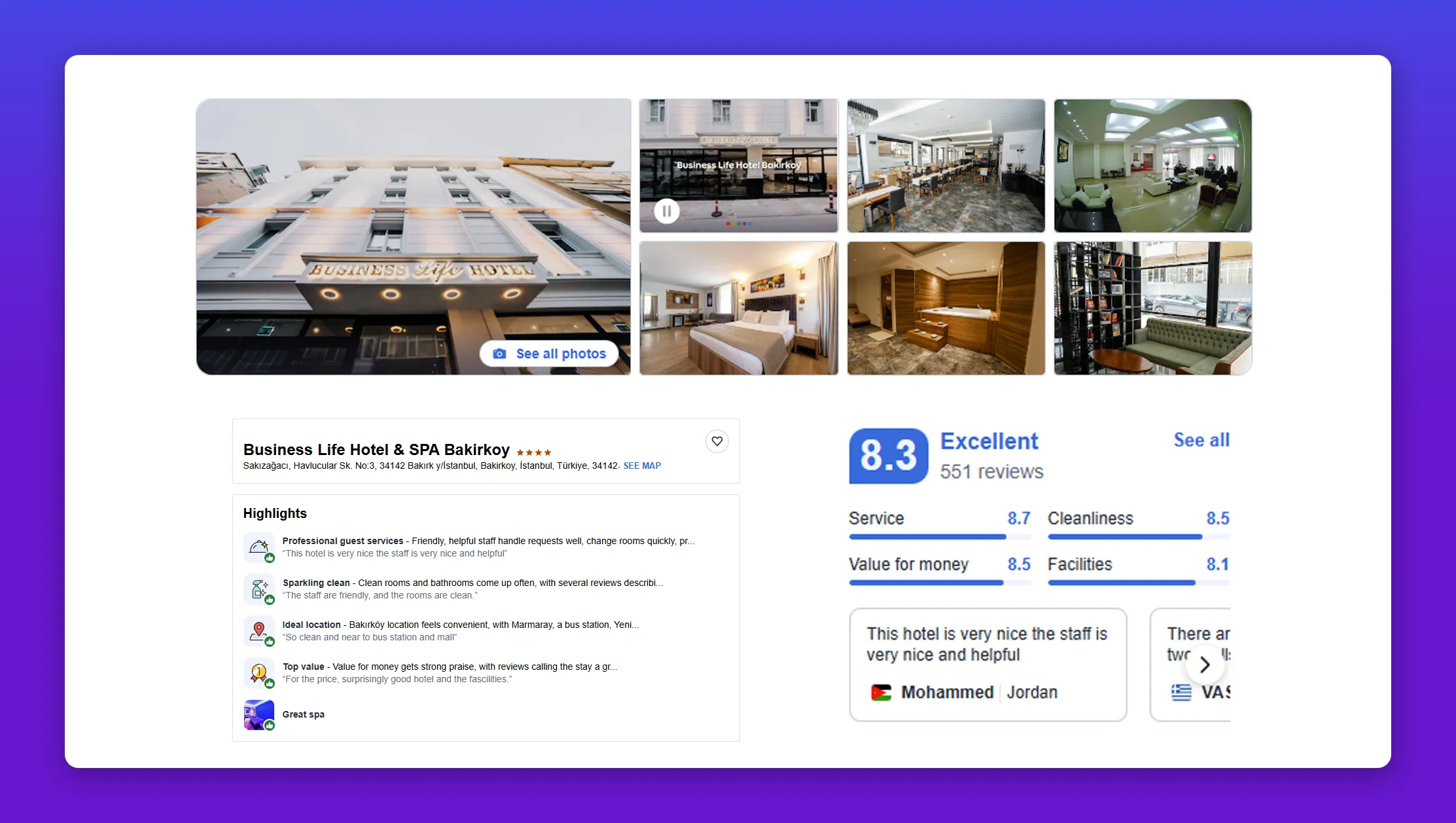
Before engaging with us, the client struggled with systemic data gaps that prevented consistent pricing performance. Their existing tools lacked the depth and automation needed to capture and interpret fare movements at scale. These gaps had a direct impact on their booking conversion rates and overall revenue margin.
Their pricing strategies were often reactive, leaving them vulnerable to competitors' promotions and route-specific fare changes. Integrating a Travel Data Scraping API enabled centralized data collection, improved performance benchmarking, and more informed pricing decisions.
Key obstacles included:
- Inability to track real-time fare changes across multiple carriers and routes simultaneously.
- Absence of structured tools for Airline Competitor Fare Tracking Solutions to assess competitor strategies.
- Overreliance on manual data collection that was both time-consuming and error-prone.
- Lack of integration between fare data sources and internal revenue management systems.
- Limited historical data availability, which restricted predictive analysis and trend forecasting.
These challenges collectively weakened the client's pricing confidence and reduced their agility in a market where fare decisions often determine booking outcomes. Each missed pricing adjustment translated into potential revenue loss, making it critical to establish a robust, automated solution as quickly as possible.
The Solutions
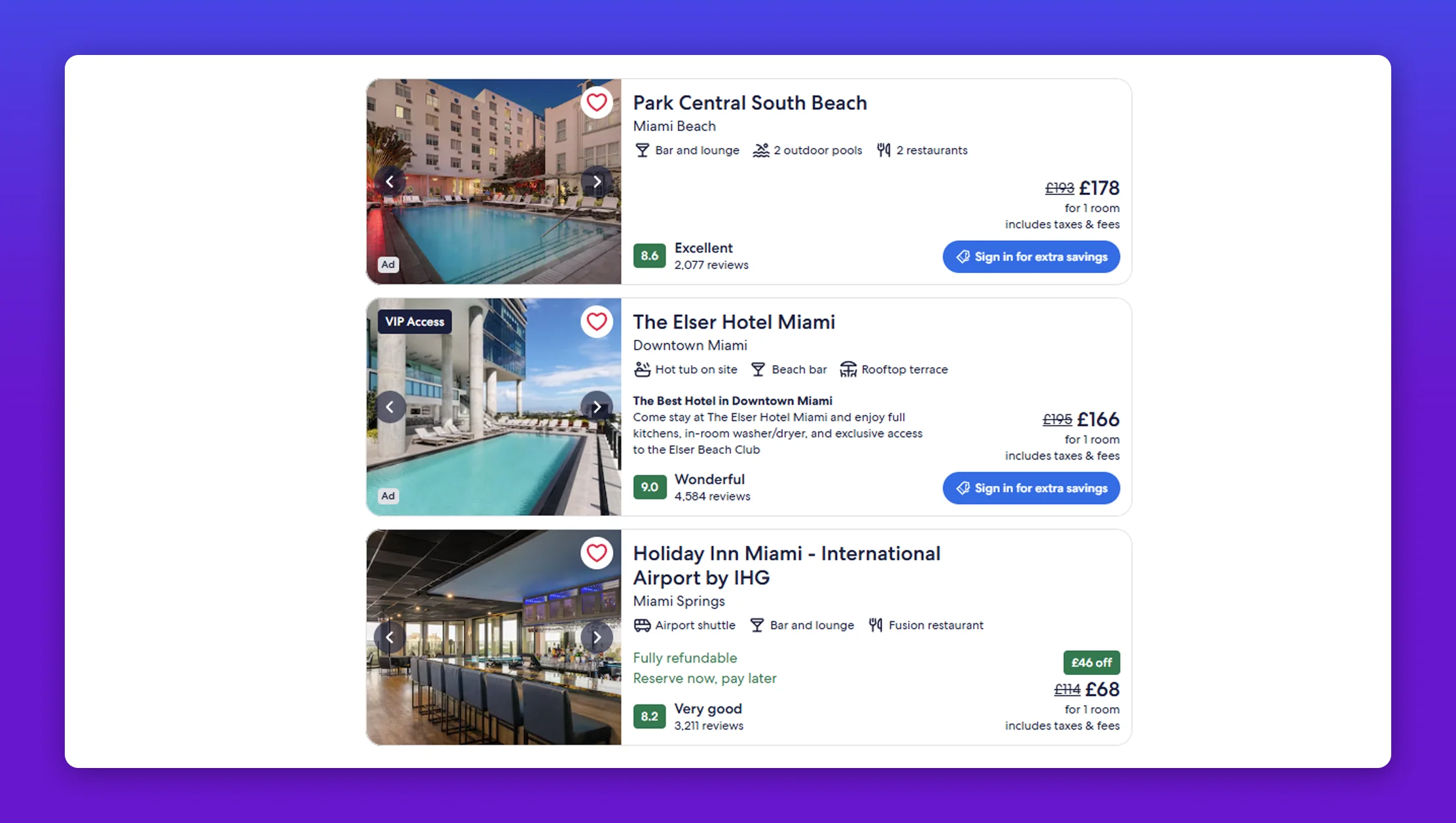
We designed a comprehensive fare intelligence architecture tailored to the client's route coverage, carrier mix, and decision-making timelines. The solution was built to eliminate data latency, automate collection workflows, and deliver structured outputs compatible with the client's existing revenue platforms.
Solutions implemented included:
- Deployment of a scalable Airline Web Scraping API to extract fare data across hundreds of routes and carrier combinations on a continuous basis.
- A structured Flight Fare Comparison Data API framework to enable side-by-side fare benchmarking across booking classes and travel dates.
- An automated pipeline leveraging Automated Flight Price Scraping to capture intraday fare movements and flag significant pricing shifts.
- Integration of a Travel Fare API to streamline travel fare data collection and provide structured pricing information for ongoing route analysis and revenue optimization.
- Development of a historical fare repository supported by Airline Fare Data Extraction API capabilities to enable trend analysis and forecasting models.
Together, these components created a self-sustaining fare intelligence ecosystem that eliminated the manual bottlenecks the client previously faced. The solution provided reliable, structured data flows that empowered their pricing team to make confident, timely decisions without depending on incomplete external reports.
Benefits of Choosing Web Fusion Data
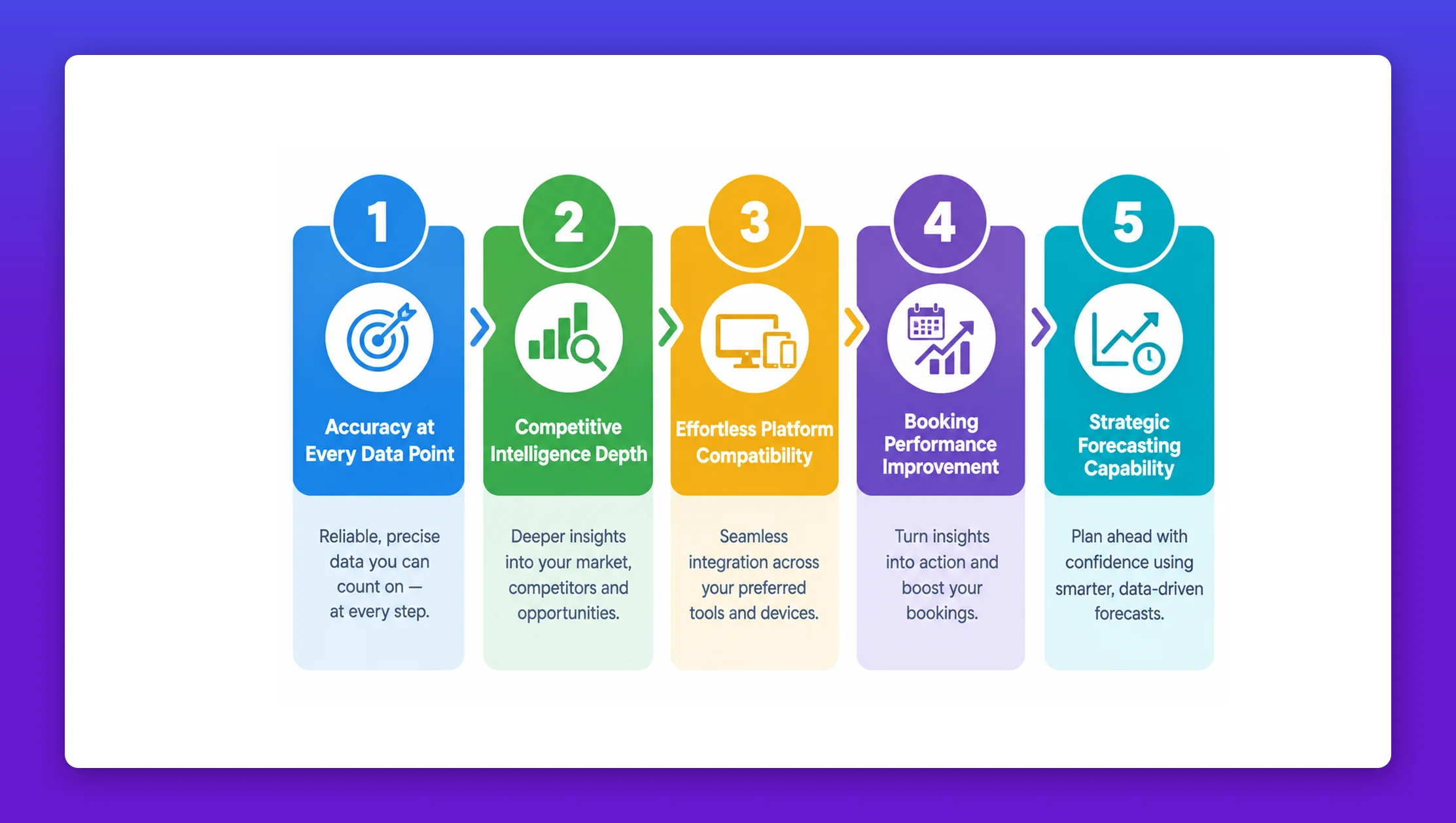
Businesses in dynamic, price-sensitive markets need precise, scalable solutions. We deliver tailored Web Scraping Services to provide reliable, structured intelligence for modern fare markets.
-
Accuracy at Every Data Point
Structured extraction pipelines ensure that every fare captured reflects real booking conditions, eliminating the noise and inconsistencies common in manually assembled datasets. This level of data fidelity directly supports confident revenue decisions. -
Competitive Intelligence Depth
Through Airline Competitor Fare Tracking Solutions, businesses gain visibility into competitor pricing behavior across routes, cabin classes, and time windows, enabling strategic positioning rather than reactive adjustments. -
Effortless Platform Compatibility
Delivered data integrates directly into existing business intelligence tools and revenue management platforms, reducing implementation friction and enabling teams to act on insights without delay. -
Booking Performance Improvement
By identifying the exact price points where booking conversions improve, companies can align their fare strategies with actual consumer behavior, resulting in measurable improvements in occupancy and revenue yield. -
Strategic Forecasting Capability
With access to historical fare archives and real-time feeds, businesses can build forecasting models that anticipate fare trends, preparing them for seasonal demand cycles and competitor-driven pricing events.
Fare Intelligence Insights at a Glance
| Intelligence Area | Business Goal | Approach Used | Result Achieved |
|---|---|---|---|
| Route Fare Benchmarking | Compare fares across carriers | Multi-source extraction | 28% faster pricing response |
| Intraday Price Shifts | Capture real-time movements | Scheduled automated pulls | Reduced fare blind spots by 40% |
| Booking Window Analysis | Identify optimal fare windows | Historical trend modeling | 19% improvement in yield |
| Cabin Class Tracking | Monitor class-specific pricing | Structured data segmentation | Better inventory alignment |
| Seasonal Demand Patterns | Forecast demand-driven fare changes | Time-series fare analysis | More proactive promotional planning |
This table illustrates how a structured approach to fare data collection translates into measurable operational improvements. Each intelligence area addresses a specific gap that, when resolved, contributes to stronger pricing performance across the network.
With Price Monitoring Services, businesses can maintain consistent visibility across all relevant markets without expanding their internal data teams. The depth of insight generated through systematic fare analysis enables both short-term tactical adjustments and long-term revenue planning, creating a foundation for sustained competitive performance.
Client's Testimonial
Web Fusion Data completely changed how we approach pricing strategy. Before partnering with them, our team was always one step behind competitor fare movements. Their Airline Fare Monitoring solution gave us the real-time visibility we needed to act decisively. The structured data delivered through their Travel Fare API integration connected seamlessly with our systems and immediately improved our ability to respond to market changes.
– Head of Revenue Strategy, International Travel Technology Group
Conclusion
The results of this engagement confirmed that structured fare intelligence is no longer a luxury for travel businesses, it is a requirement for sustainable competitive performance. By replacing fragmented manual processes with a systematic, automated data architecture, the client achieved greater pricing confidence, faster response cycles, and measurable revenue improvements across their route network.
Airline Fare Monitoring remains at the center of any serious pricing strategy, delivering the consistent, structured data flows that revenue teams depend on. When paired with robust Web Scraping Services, businesses can build the kind of comprehensive fare intelligence infrastructure that turns market data into decisive action.
Contact Web Fusion Data today to explore how our tailored fare intelligence solutions can transform your pricing strategy. Our team specializes in building scalable, accurate, and integration-ready data pipelines designed for the unique demands of the travel industry.