Introduction
In today’s hyper-competitive digital marketplace, pricing has become the most decisive growth lever for retailers selling on Amazon. With millions of SKUs changing prices multiple times a day, manual monitoring is no longer practical. Retailers require automated systems that scan, structure, and interpret pricing signals at scale. That’s where an advanced Amazon Competitor Price Monitoring System becomes essential for brands competing across categories.
These insights are no longer limited to tracking price tags — they include promotions, stock shifts, Buy Box ownership, seller positioning, and discount velocity. Combined with E-Commerce Data Intelligence, retailers can convert raw data into predictive pricing strategies that drive margin growth and revenue expansion.
Tracking 1M+ products is not simply about scraping numbers; it requires high-frequency data capture, automated cleansing, normalization, and cross-competitor mapping. Retailers that integrate intelligent pricing analytics into their operations respond faster to market fluctuations, prevent undercutting losses, and optimize their product positioning. This blog explains how large-scale pricing systems work, what problems they solve, and how retailers can transform price monitoring into measurable competitive intelligence.
Overcoming Challenges in Managing Large-Scale Pricing Fluctuations
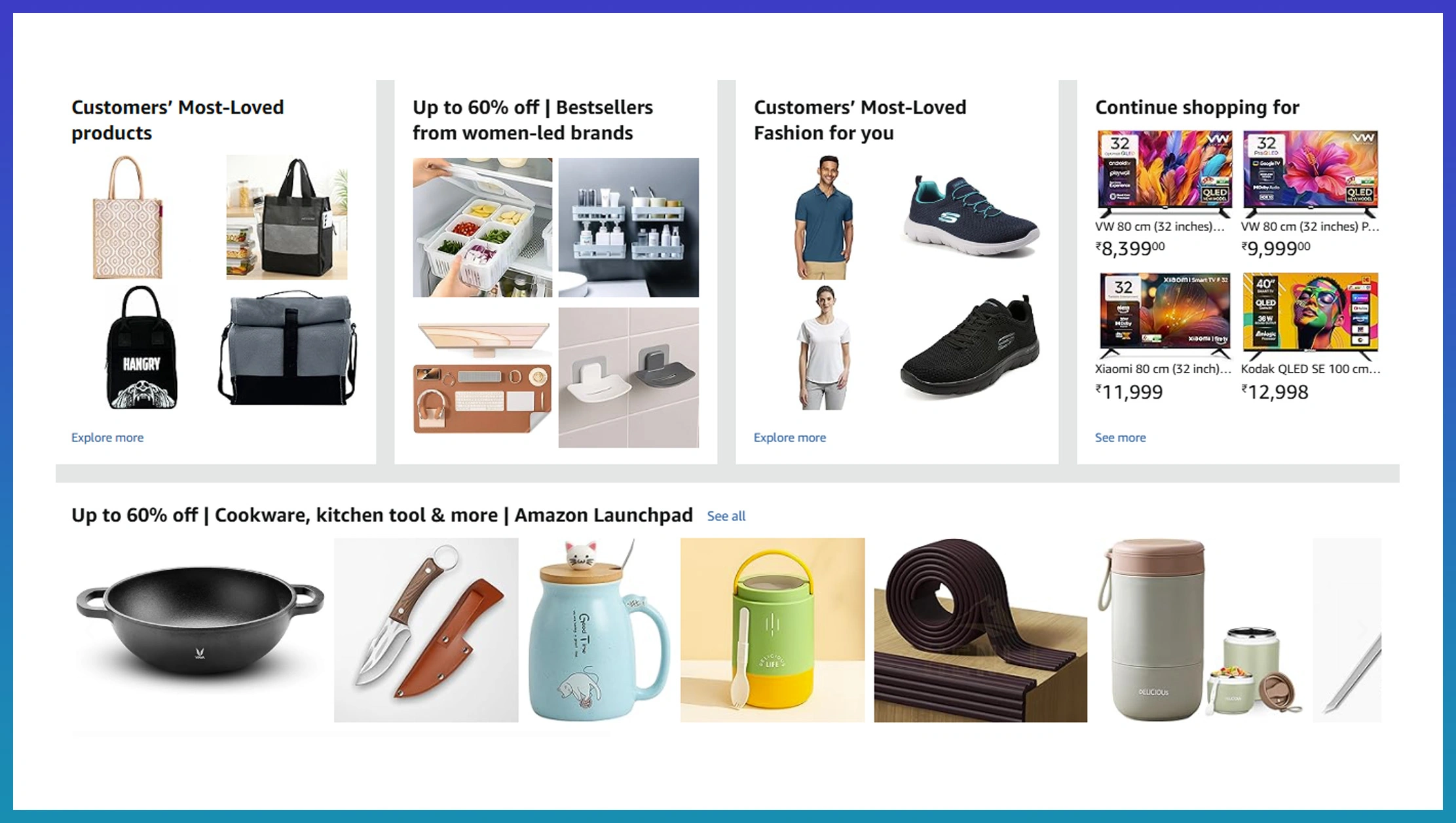
Retailers managing vast product catalogs face immense challenges in capturing pricing dynamics effectively. Without automated systems, manual tracking becomes inefficient and error-prone, exposing sellers to revenue loss and margin erosion. Integrating Ecommerce Scraping Services enables structured extraction of competitor catalogs, promotional campaigns, and stock availability.
When combined with a Real-Time Amazon Price Tracking Dataset, retailers can automate alert generation for sudden price changes or Buy Box losses. This structured approach ensures timely and accurate insights, reducing manual intervention.
With advanced data collection, pricing teams can analyze market trends, detect anomalies, and build actionable dashboards. Automated SKU mapping helps correlate price changes with competitor activity, promotions, or seasonal demand shifts. Teams can also identify high-risk SKUs that frequently experience undercuts, ensuring proactive management.
Sample Pricing Volatility Table (Category: Electronics):
| Metric | Daily Change Rate | Implications for Sellers |
|---|---|---|
| Price Revisions per SKU | 6–8 | Potential margin loss |
| Buy Box Ownership Changes | 3–5 | Revenue fluctuation |
| Flash Discount Windows | 2–4 hours | Temporary spikes |
| Competitor Entry/Exit | 4–6 sellers | Competitive pressure |
Companies employing structured monitoring report faster reactions to competitor price drops and higher Buy Box retention, enabling data-driven decisions and minimizing margin erosion across millions of SKUs.
Transforming Raw Pricing Information into Actionable Insights
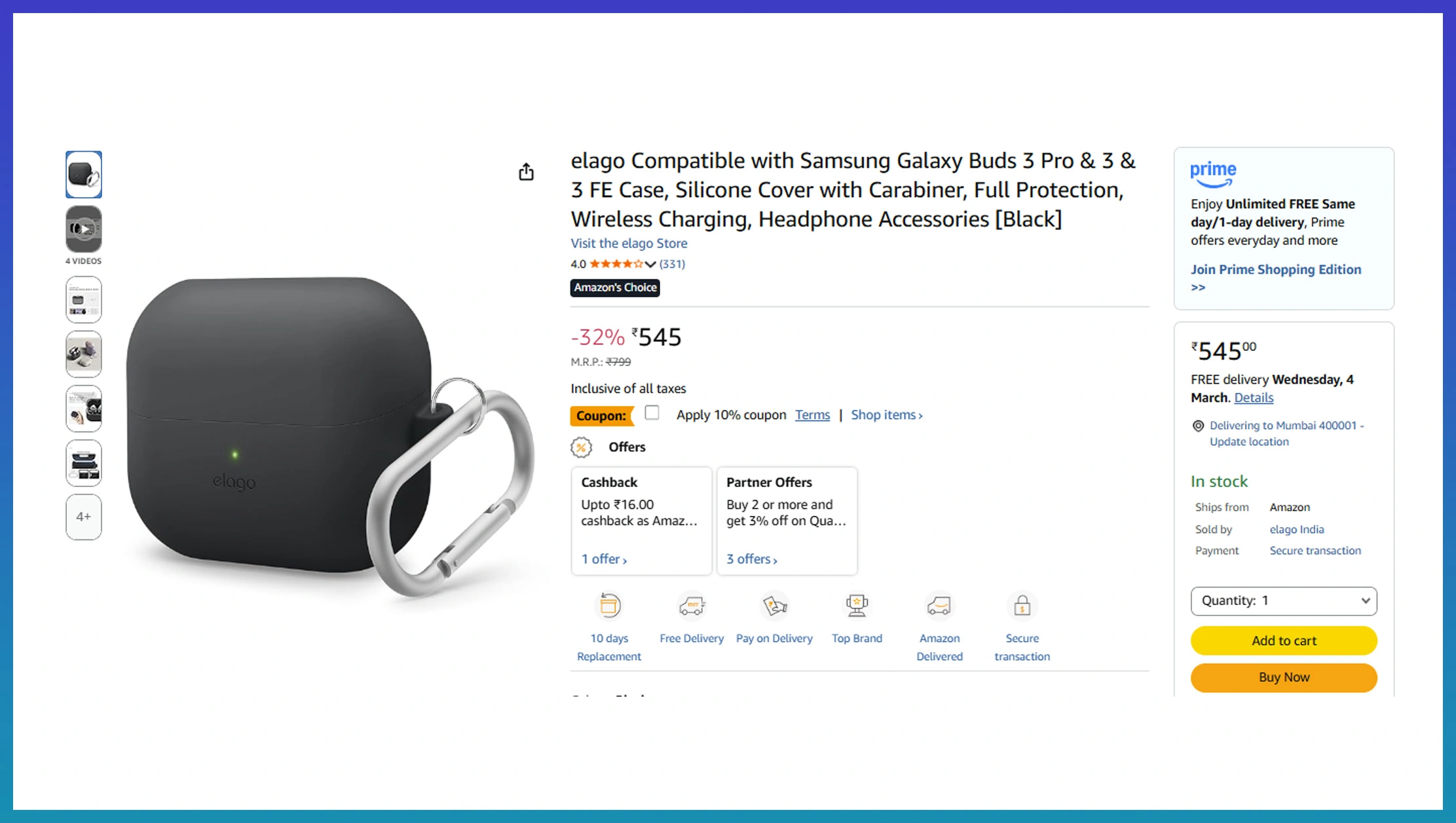
Having large volumes of pricing data is only beneficial when it can be transformed into strategic insights. Most retailers collect terabytes of historical pricing but lack frameworks to interpret trends across time, competitors, and categories. Proper analysis helps reveal patterns and actionable opportunities.
By implementing structured models, businesses can conduct trend analysis, elasticity measurement, promotion impact evaluation, and cross-category benchmarking. Using Amazon Price Comparison Analytics, retailers understand which competitors consistently undercut pricing or operate in premium segments. This enables smarter adjustments to pricing strategies while protecting profit margins.
In addition, Amazon Dynamic Pricing Analysis allows simulation of price changes to predict conversion impacts and margin outcomes. By leveraging historical patterns, retailers identify optimal pricing windows, align product positioning, and maintain competitiveness. Data-driven insights also support decision-making in promotions, flash sales, and seasonal campaigns.
Pricing Insights Table:
| Analytical Layer | Purpose | Outcome |
|---|---|---|
| Historical Price Trends | Detect seasonality | Forecast discount opportunities |
| Seller Price Positioning | Evaluate tiers | Adjust listing strategy |
| Elasticity Mapping | Measure demand impact | Optimize margin |
| Category Benchmarks | Compare segments | Refine pricing approach |
Retailers applying predictive analytics to large catalogs have seen revenue improvements of 8–12%, demonstrating the impact of structured intelligence in supporting strategic decisions and staying competitive in fast-moving marketplaces.
Enhancing Strategic Decisions Through Visual Pricing Tools
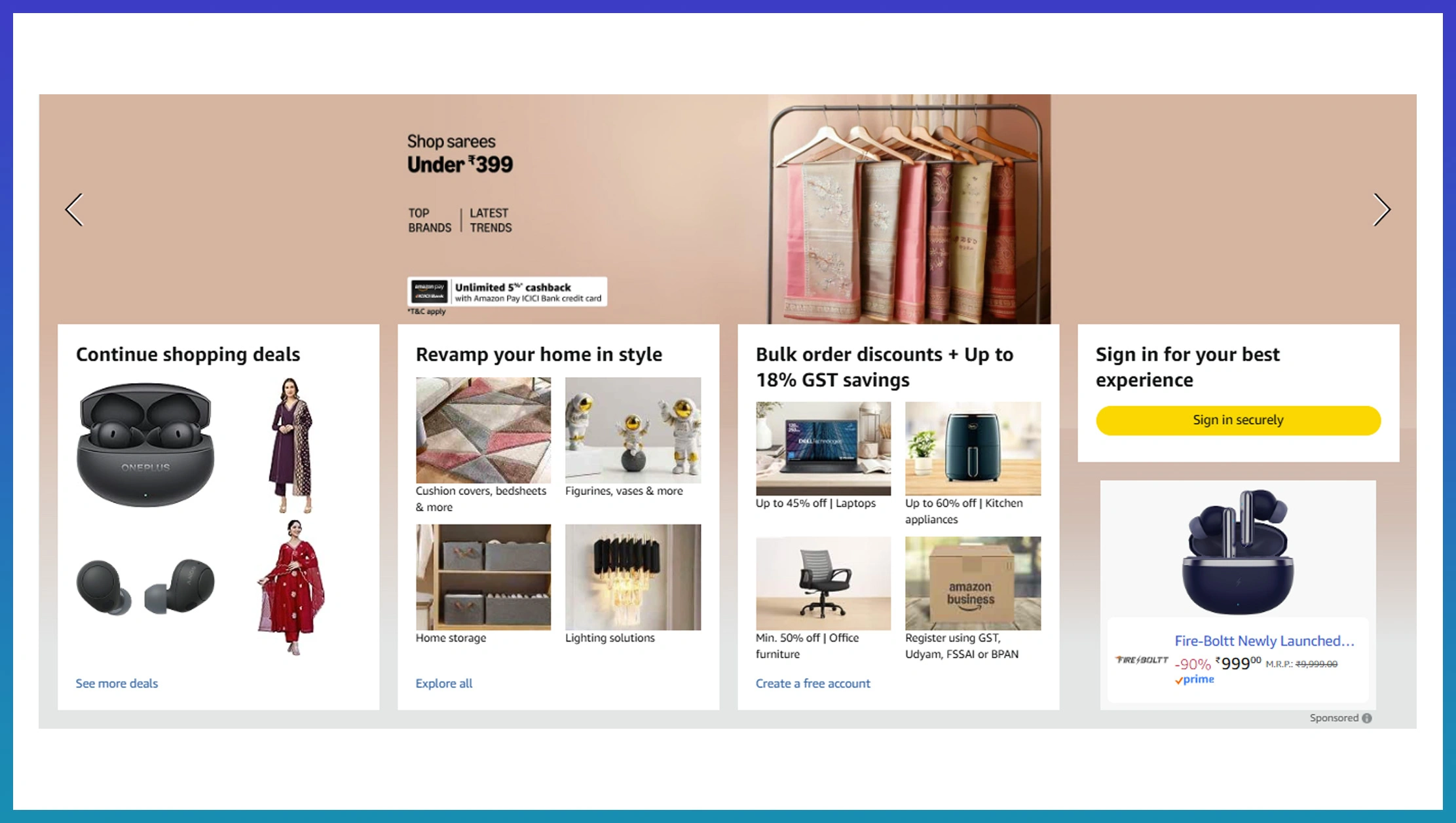
Visualizing large-scale pricing data is essential for clear and timely decision-making. Dashboards transform historical pricing trends into meaningful visual insights that support both operational and executive decisions. Through Amazon Pricing Dataset Visualization, retailers can track historical price movements, competitor tiers, and category-level deviations.
Visual representation simplifies the identification of gaps, opportunities, and areas requiring action. Similarly, a structured Amazon Product Price Benchmarking Strategy provides guidance on aligning product pricing relative to competitor averages or premium segments.
Automated reporting dashboards allow executives to view metrics such as margin exposure, undercut alerts, Buy Box performance, and stock-based pricing recommendations. This reduces manual reporting time and accelerates decision-making. High-quality visualization ensures teams focus on strategy rather than data manipulation.
Sample Dashboard Metrics Table:
| KPI | Value | Strategic Insight |
|---|---|---|
| Price Undercut Rate | 22% | Repricing needed |
| Buy Box Win Ratio | 68% | Stable positioning |
| Margin Deviation | -4% | Review discount levels |
| Competitive Price Gap | +3% | Opportunity for adjustment |
Companies leveraging visual tools report up to 40% reduction in manual analysis time and 25% faster executive decisions, highlighting the importance of intuitive dashboards for large-scale pricing management.
How Web Fusion Data Can Help You?
Scaling pricing intelligence across millions of SKUs requires more than data feeds — it requires structured automation, validation, and actionable reporting. We build infrastructure that integrates seamlessly with your existing pricing stack and enhances the performance of an Amazon Competitor Price Monitoring System through robust data engineering and analytics frameworks.
We support retailers with:
- Automated multi-category SKU monitoring.
- Seller-level price and stock tracking.
- Buy Box movement detection.
- Competitive alert configuration.
- Historical price archiving.
- Executive-ready reporting dashboards.
Our architecture ensures data accuracy, speed, and scalability without operational complexity. In the final reporting layer, we also integrate structured dashboards powered by Amazon Pricing Dataset Visualization to simplify interpretation for leadership teams and pricing managers.
Conclusion
Retailers operating in competitive marketplaces require scalable systems to manage pricing volatility and seller competition effectively. When structured correctly, an Amazon Competitor Price Monitoring System transforms raw pricing feeds into strategic intelligence that drives margin protection and sustainable growth.
Combining pricing analytics with structured insights such as Amazon Price Comparison Analytics empowers brands to make informed, data-driven decisions instead of reactive adjustments. If you’re ready to scale smarter pricing operations, partner with Web Fusion Data today and transform your competitive intelligence strategy.