Introduction
Selling on Amazon demands constant vigilance over market shifts, dynamic pricing moves, and competitor catalog shifts. Modern brand owners rely heavily on an Amazon Price Intelligence Platform to monitor retail landscapes seamlessly. Without clear visibility into rival movements, businesses risk losing revenue, market share, and consumer trust to aggressive sellers.
Deploying comprehensive Amazon Seller Competitor Tracking provides e-commerce merchants with automated, actionable insights into pricing trends, stock availability, and catalog shifts. Instead of reacting late to pricing wars, tracking systems alert sellers to sudden price drops, helping them defend profitability and optimize store strategies.
Understanding market intelligence gives sellers a massive operational edge in dynamic marketplaces. By closely watching Buy Box movements, inventory fluctuations, and price variations, brands can adjust their fulfillment and promotional strategies dynamically to maintain steady growth and continuous revenue velocity.
Decoding Market Price Variations and Securing Buy Box Command

Marketplace environments experience continuous dynamic pricing fluctuations across high-volume product categories throughout the day. Competitors frequently alter listed pricing in response to shift changes, supply chain disruptions, or automated repricing algorithms. Managing an e-commerce catalog without real-time visibility leaves brands vulnerable to revenue loss and unexpected margin compression.
Algorithmic pricing engines rely on immediate signals to award listing prominence to high-performing merchants. Seamless execution of Amazon Buy Box Monitoring empowers enterprise merchants to react quickly whenever unauthorized sellers or price undercutters attempt to siphon conversion volume. Maintaining listing control directly affects customer acquisition efficiency, brand reputation, and organic product search visibility across targeted product lines.
| Operational Focus | Legacy Monitoring Method | Advanced Data Pipeline |
|---|---|---|
| Buy Box Retention Rate | 42% – 50% | Up to 82% Control |
| Price Adjustment Speed | 12 to 24 Hours | Under 15 Minutes |
| Margin Protection | Manual Oversight | Automated Bounds |
| Alert Frequency | Batch Daily Reports | Instant Event Triggers |
Understanding inventory shifts among direct market competitors helps sellers anticipate buy box rotation opportunities smoothly. Evaluating historical operational shifts reveals that keeping precise tracking on Amazon Product Availability allows brands to adjust listed prices upward whenever rival stock levels drop. This strategic capability captures enhanced margins without diminishing conversion volume or search engine presence.
- Systematic tracking protects overall buy box retention across competitive categories.
- Automated price alerts prevent margin erosion during aggressive pricing cycles.
- Monitoring inventory availability identifies instant opportunities for margin expansion.
- Multi-channel data integration improves automated repricing accuracy and speed.
Strategic monitoring also enables brands to establish dynamic ceiling and floor boundaries for automated repricing software. Detailed category visibility helps brands build long-term reseller policies, protect authorized distribution networks, and optimize advertising spend against underperforming competitor product pages.
Tracking Inventory Supply Changes and Historical Catalog Pricing Trends
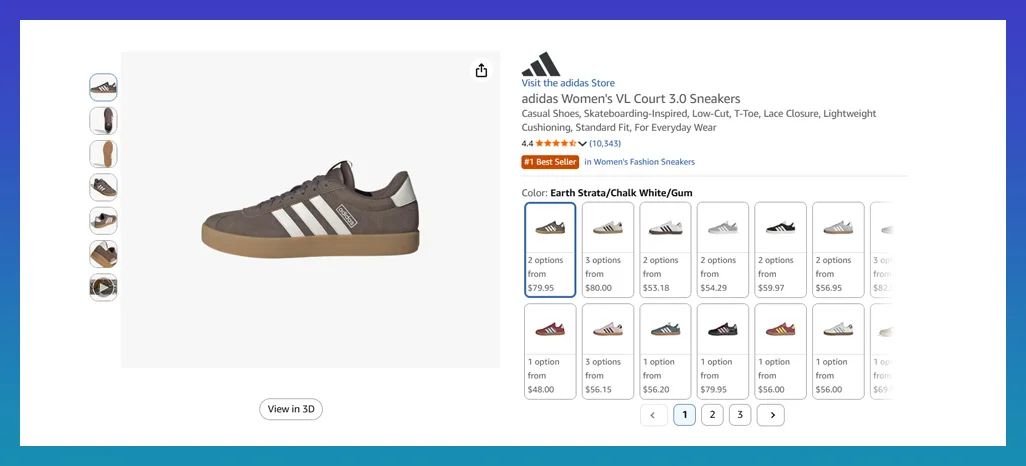
Inventory depletion among key market players creates massive short-term revenue opportunities for prepared sellers. When primary category leaders run out of stock, secondary listings experience immediate surges in organic traffic and purchasing volume. Brands capable of tracking competitor inventory movements can proactively allocate fulfillment resources to capture shifting consumer demand.
Long-term catalog optimization requires deep historical context rather than brief snapshots of current pricing. Incorporating a comprehensive Amazon Price History Tracker into daily operations allows brand managers to identify recurring seasonal discount cycles, holiday promotional patterns, and competitor pricing behavior. Evaluating historical data reveals baseline pricing thresholds, enabling teams to build accurate margin forecasts and defensive catalog strategies.
| Data Metric Tracked | Enterprise Value | Actionable Outcome |
|---|---|---|
| Historical Price Floors | High | Prevents Margin Losses |
| Stock Outage Patterns | Critical | Capitalizes on Competitor Gaps |
| Seasonal Price Velocity | Moderate | Optimizes Promotional Timing |
| Fulfillment Method Shifts | High | Improves Logistics Alignment |
Extracting clean web data across vast product ranges requires robust technical infrastructure built for accuracy. Implementing reliable Amazon Ecommerce Data Scraping guarantees consistent updates regarding rival catalog alterations, variant additions, and shipping speed variations. Having structured data feeds eliminates analytical guesswork, giving executive teams a clear view of broader category dynamics.
- Comprehensive pricing history logs highlight seasonal competitor promotion cycles.
- Automated inventory tracking alerts teams to rival stock depletion instantly.
- Structured catalog scraping delivers clean data directly to analytical dashboards.
- Strategic fulfillment insights optimize regional product distribution and storage.
Comprehensive catalog surveillance aids in identifying emerging product trends before they reach saturation. Brand managers can track product bundling strategies, promotional discounts, and regional seller shifts to refine inventory distribution across fulfillment centers. Aligning stocking logistics with real-time demand patterns reduces long-term storage fees, minimizes stockout risks, and reinforces listing dominance.
Utilizing Deep Analytics and Scalable Marketplace API Data Integration

Modern retail operations increasingly rely on structured data pipelines to support informed business decisions rather than depending solely on manual analysis. Integrating Amazon Product Data API into these workflows helps streamline data collection, improve analytical accuracy, and reduce operational efforts while providing broader visibility into competitive e-commerce markets.
Enterprise brand management benefits significantly from implementing tailored Amazon Seller Analytics to evaluate competitor rating shifts, seller feedback metrics, and sales rank trends. Accessing granular analytical reports enables organizations to benchmark their operational performance against industry leaders, uncover catalog weaknesses, and refine listing optimization strategies for enhanced consumer engagement and conversion rates.
| Technical Parameter | Manual Evaluation | Scalable API Pipeline |
|---|---|---|
| Data Processing Volume | Limited Catalog | Full Niche Coverage |
| Integration Flexibility | Low (CSV/Excel) | High (Database Sync) |
| Extraction Precision | Variable | 99.9% Automated |
| Operational Scalability | High Cost | Cost-Effective Enterprise Scale |
Connecting internal reporting tools directly to marketplace data streams optimizes decision-making speed across sales channels. Connecting your analytics stack through a reliable Amazon Seller Data Extraction API ensures uninterrupted ingestion of real-time pricing signals, listing updates, and inventory changes.
- Granular seller metrics reveal competitive strengths and catalog opportunities.
- Direct API connections deliver real-time data to automated repricing engines.
- Detailed ASIN evaluation guides listing content optimization and ad strategy.
- Automated data extraction reduces labor costs while expanding catalog coverage.
Executing detailed Amazon ASIN Competitor Analysis exposes specific optimization gaps in competing product titles, bullet points, and keyword targeting. Brand managers can leverage these insights to optimize advertising campaigns, address unmet customer preferences revealed in product reviews, and position new product launches effectively against established category incumbents.
How Web Fusion Data Can Help You?
E-commerce marketplaces move fast, and static analytics fail to keep up with instant price shifts. Enterprise merchants require high-frequency automated scraping architectures tailored to custom scraping targets. Integrating specialized Amazon Seller Competitor Tracking ensures high-volume extraction capabilities without IP blocks, CAPTCHA delays, or data gaps.
We provide robust, custom-built extraction services tailored to modern enterprise demands:
- Customized enterprise data pipelines engineered specifically for global marketplace monitoring.
- High-frequency automated scraping infrastructure capable of processing millions of listings daily.
- Automated IP rotation and advanced anti-bot evasion ensure uninterrupted data delivery.
- Structured data delivery formats including JSON, CSV, and direct API endpoints.
- Precise tracking across dynamic variables like Buy Box status, seller ratings, and stock.
- Tailored integration with existing ERPs, custom software tools, and automated repricers.
Partnering with professional Amazon Price Tracking Services allows your brand to transform raw web data into immediate actionable strategies, protecting product margins and scaling marketplace presence smoothly.
Conclusion
Navigating complex marketplace competition requires continuous vigilance, fast execution, and structured market data. Implementing custom Amazon Seller Competitor Tracking empowers online brands to protect Buy Box ownership, spot competitor stock failures early, and fine-tune dynamic pricing strategies with complete accuracy. Companies relying on real-time insights consistently beat competitors using legacy, manual tracking methods.
Sustainable store growth relies heavily on automated extraction pipelines that deliver reliable marketplace signals directly to decision-makers. Equipping your operational workflow with Amazon Product and Competitor Tracking removes guessing from catalog management, defends profit margins, and secures long-term market authority. Contact Web Fusion Data today to build a custom data solution designed for your e-commerce growth.