Introduction
Modern e-commerce operates at an unprecedented velocity where prices, stock levels, and consumer preferences shift continually. To maintain a competitive presence, brands rely on automated pipelines to monitor marketplace trends. Accessing structured inventory metrics allows businesses to make swift adjustments, ensuring higher profit margins and stronger audience engagement.
Gathering clean datasets across multiple major storefronts presents significant technical challenges for enterprise teams. Utilizing a robust Retail Price Monitoring API streamlines the extraction of pricing attributes without operational friction. Brands can automatically track fluctuations across top digital shelves, transforming complex web structures into actionable strategic insights.
Cross-channel visibility is essential for optimizing promotional campaigns and inventory distribution. Enterprise leaders require real-time access to accurate product specifications and seller details. Implementing structured Amazon, Target and Nordstrom Product Data APIs empowers organizations to establish seamless data pipelines, driving smarter decisions across every level of retail management.
Strategic Assortment Management Frameworks Driving Cross Market Visibility
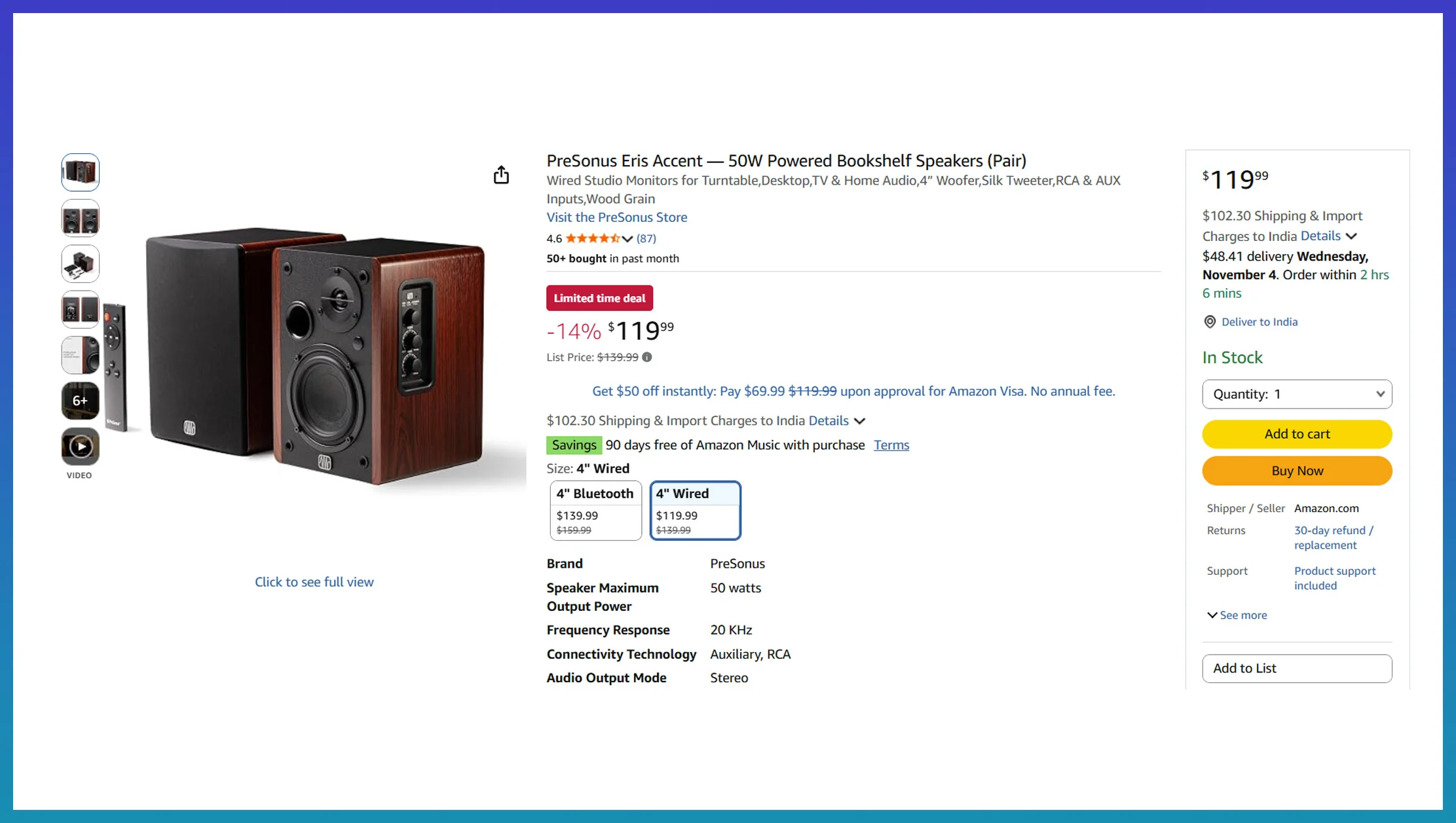
Achieving market leadership requires a detailed understanding of product catalogs across major retail channels. When modern analytics teams deploy an advanced Ecommerce Scraping API, they capture continuous updates regarding product variations, stock levels, and consumer review metrics. Combining these information streams enables corporate leaders to identify regional catalog gaps quickly while optimizing warehouse stock allocation effortlessly.
Industry research demonstrates that enterprise brands using real-time shelf insights experience significant revenue gains over reactive competitors. Utilizing a dedicated Amazon Product Data API gives retail strategists vital visibility into buy box ownership changes and merchant fulfillment metrics. This level of operational clarity allows merchandise planners to safeguard inventory levels during peak promotional events.
| Platform Channel | Primary Data Attributes | Refresh Frequency | Strategic Impact |
|---|---|---|---|
| Marketplace One | Buy Box owner, seller rank, reviews | Sub-hourly | Dynamic repricing & stock protection |
| Marketplace Two | Regional inventory, fulfillment options | Daily | Omnichannel positioning |
| Marketplace Three | Premium brand mix, visual attributes | Real-time | Trend forecasting & luxury pricing |
- Tracking merchant changes across core storefronts protects inventory ownership.
- Analyzing category depth highlights untapped expansion opportunities across regional markets.
- Automated reporting minimizes manual labor during catalog alignment projects.
Relying on specialized Retail Product Data APIs simplifies the task of transforming unstructured web formats into standardized dashboard metrics. Data engineering teams can feed normalized records directly into business systems for immediate evaluation. These automated inputs help merchandise managers eliminate stockouts, monitor brand compliance, and refine merchandising strategies with precision across every sales channel.
Dynamic Competitor Price Monitoring Strategies Protecting Commercial Margins
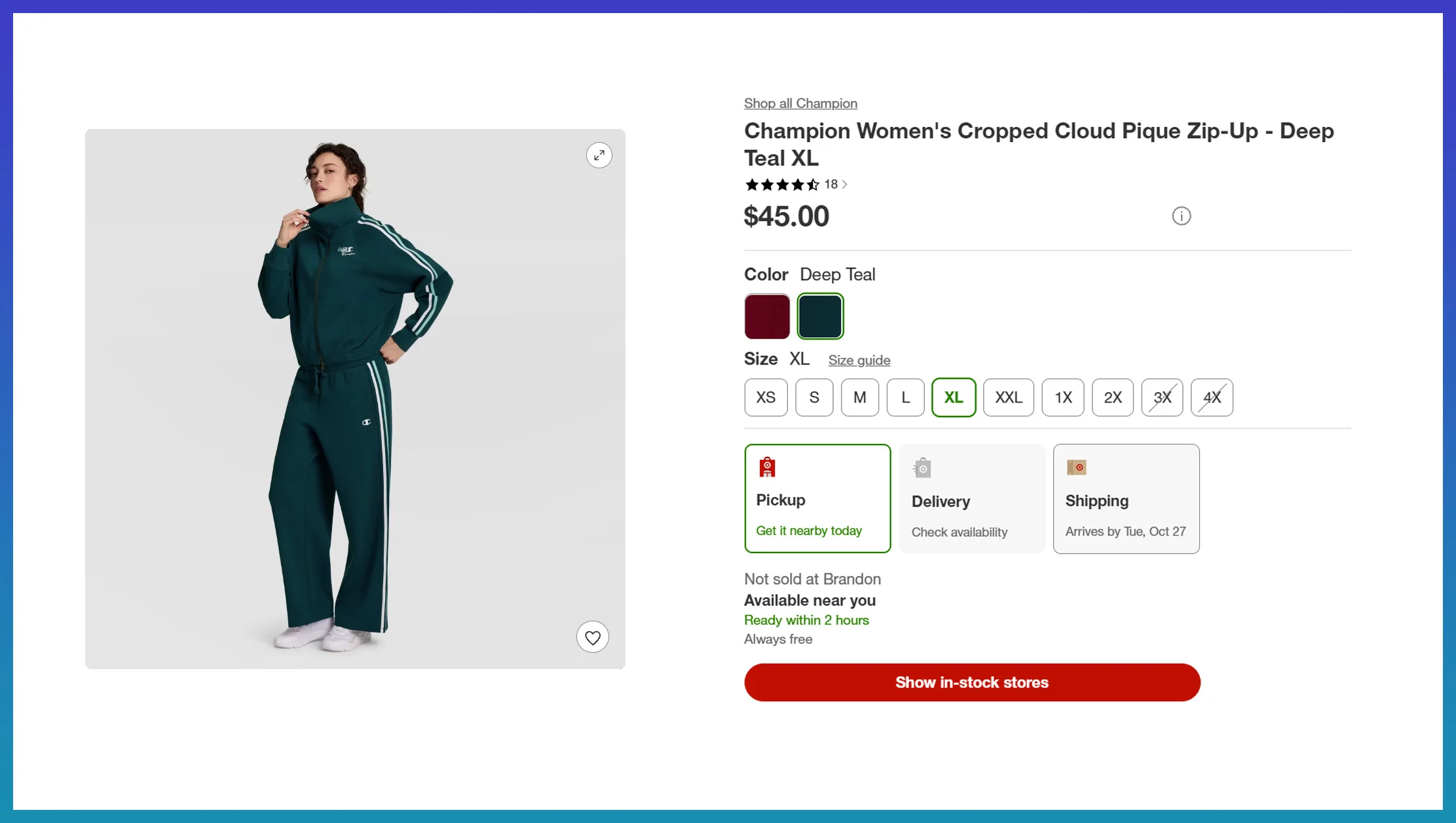
Pricing strategies in digital commerce require continuous calibration to maintain steady conversion rates without sacrificing profit margins. Implementing enterprise-grade Ecommerce Scraping Services allows commercial teams to track promotional discounts, minimum advertised price compliance, and bundle deals across multiple platforms simultaneously. This automated oversight ensures complete visibility into aggressive marketplace competitor adjustments.
Market research shows that dynamic pricing models significantly enhance overall revenue performance in high-volume selling environments. Tapping into a reliable Target Product Data API provides brand managers with clear visibility into regional price variances and fulfillment capabilities across distribution networks. Accessing localized data helps corporate teams align digital promotions with physical store inventory levels seamlessly.
| Channel Type | Core Attribute Monitored | Processing Engine | Operational Outcome |
|---|---|---|---|
| High Volume Storefront | Discount depth and bundle deals | Automated ETL Pipeline | Real-time price match response |
| Regional Storefront | Location-based store availability | Scheduled Daily Batch | Inventory rebalancing |
| Luxury Storefront | Premium tier catalog positioning | Instant Streaming API | Brand equity preservation |
- Continuous margin tracking prevents unexpected revenue erosion during broad sales events.
- Regional price mapping ensures localized promotional campaigns remain fully competitive.
- Instant alert triggers notify category managers about sudden compliance breaches immediately.
Connecting extraction pipelines with a Nordstrom Product Data API empowers luxury and fashion brands to monitor high-end price positioning and designer product assortments effortlessly. Having reliable access to market movement statistics enables commercial directors to implement intelligent pricing rules. This strategic agility protects overall brand value while maximizing profit margins across all core digital touchpoints.
Advanced Multi Channel Dataset Integration Enhancing Enterprise Analytics

Integrating raw datasets from varied web architectures often creates technical bottlenecks for enterprise data infrastructure teams. Deploying automated Price Tracking Services standardizes incoming product records, making it easier to ingest product numbers, pricing tiers, and merchant ratings into enterprise data lakes. Standardized data streams accelerate analytical workflows and eliminate data formatting errors.
Industry surveys show that unstructured web records represent a major obstacle for enterprise business intelligence initiatives. Utilizing a unified Multi-Retailer Product Data API removes complex data transformation steps, delivering structured JSON feeds ready for immediate analysis inside modern reporting tools. Clean inputs allow data science teams to build accurate predictive models without manual cleanup.
| Record Type | Ingestion Structure | Analysis Workflow | Business Objective |
|---|---|---|---|
| Price Attributes | Normalized Currency Values | Stream Processing | Retail Competitor Price Tracking |
| Inventory Status | Quantitative Stock Counts | Hourly Aggregation | Out-of-Stock Prevention |
| Product Reviews | Unstructured Feedback Text | Natural Language Sentiment | Product Quality Management |
- Unified schema formats simplify cross-platform reporting for executive teams.
- Automated ingestion workflows reduce cloud computing and ETL processing costs.
- Historical trend archives support long-term demand forecasting and purchasing plans.
Adopting comprehensive Ecommerce Product Data Integration practices enables corporate systems to link web shelf performance directly with internal logistics operations. Seamless data pipelines connect public marketplace insights with supply chain planning software directly. Decision-makers can anticipate emerging demand trends, optimize stock distribution, and execute highly targeted marketing campaigns with confidence.
How Web Fusion Data Can Help You?
Modern retail analytics demand consistent, high-volume data extraction without operational disruptions or rate limits. Integrating high-performance Amazon, Target and Nordstrom Product Data APIs into your enterprise architecture ensures seamless access to structured product attributes, inventory statuses, and pricing dynamics across all major retail platforms.
- Customizable data pipelines tailored to your specific enterprise intelligence requirements.
- Automated IP rotation and anti-bot mitigation strategies ensuring uninterrupted data flow.
- Normalized output formats enabling fast integration into existing BI tools and data lakes.
- Scalable extraction infrastructure capable of handling millions of SKUs daily.
- Strict SLA guarantees delivering high uptime and real-time refresh rates.
- Dedicated technical support delivering continuous maintenance for changing web structures.
By partnering with our specialized Web Scraping API Services, your analytics teams can eliminate complex data collection overhead and focus entirely on generating strategic insights.
Conclusion
Building a responsive commercial strategy relies on consistent visibility across competitive digital storefronts. Establishing direct connections via Amazon, Target and Nordstrom Product Data APIs empowers enterprise teams to monitor pricing shifts, catalog changes, and stock movements across leading channels. This continuous data flow provides the foundation for accurate forecasting, effective stock management, and proactive brand protection.
Implementing a scalable Retail Analytics API converts vast amounts of raw market data into structured, actionable intelligence for your organization. Modern brands must adapt quickly to market movements to secure profit margins and capture growing market share. Contact our data solutions team today to elevate your enterprise analytical capabilities and upgrade your retail intelligence infrastructure through Web Fusion Data.