Introduction
Rapid delivery platforms have transformed how Indian consumers shop for daily essentials, making hyperlocal visibility critical for consumer brands. Understanding exact neighborhood coverage helps businesses identify where their products actually reach shoppers. A Blinkit PIN Code Serviceability Check provides clear insights into hyperlocal delivery boundaries across urban and emerging residential clusters.
Without granular location tracking, brands often assume their products are accessible across an entire metro area when dark stores only serve specific pockets. Implementing a reliable Product Availability Service ensures retail teams spot distribution blind spots early, optimize regional fulfillment strategies, and prevent lost sales caused by unserviceable delivery zones.
Monitoring Blinkit Availability by PIN Code allows consumer goods companies to map demand accurately against active dark store networks. By evaluating Quick Commerce Delivery Serviceability Data India, brands can align marketing spend with verified delivery zones and ensure promotional campaigns target neighborhoods where instant checkout is genuinely active.
Mapping Hyperlocal Dark Store Boundaries Across Local Markets
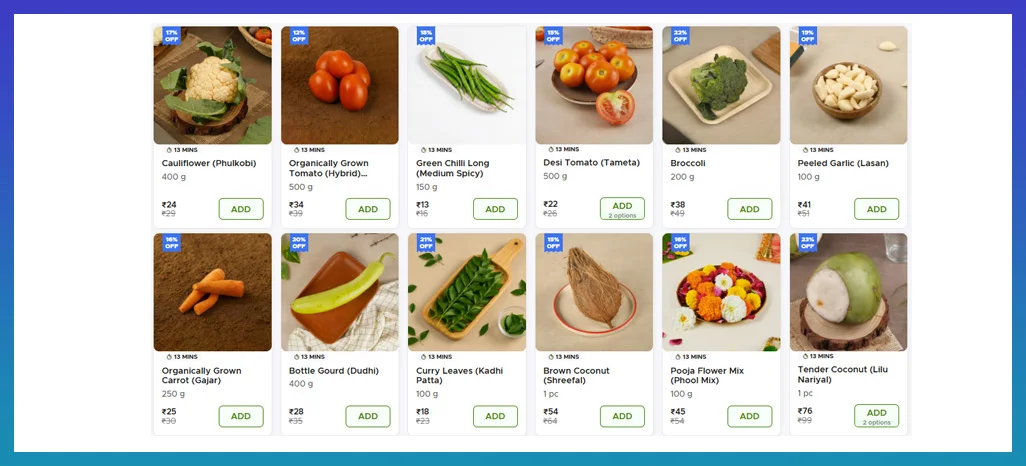
Quick commerce operates through tightly clustered micro-warehouses rather than centralized city-wide distribution hubs. Because each fulfillment center typically serves a two-to-three-kilometer radius, two adjacent neighborhoods sharing a border can experience completely different catalog access. Relying on manual checks fails to capture these rapid shifts in hyperlocal availability across growing residential clusters.
Modern retail analytics teams deploy a Grocery Scraping API in the middle of their data pipelines to capture real-time catalog and serviceability responses across thousands of postal zones simultaneously. This automated approach removes guesswork from distribution planning and gives category managers verified visibility into how far their catalog reaches within every urban pocket.
By systematically analyzing Blinkit Dark Store Coverage and Inventory Tracking across regional hubs, brands uncover which SKUs remain active in high-demand residential pockets and which areas lack basic fulfillment support. Teams use these insights to prioritize restocking and strengthen relationships with local warehouse operators:
- Pinpointing exact delivery radius boundaries for individual neighborhood fulfillment hubs.
- Identifying unserviceable residential pockets that require alternative distribution partners.
- Tracking peak-hour order throttling that temporarily shrinks local delivery zones.
| Metro Tier | Average Fulfillment Radius | Active Postal Zones Covered | Average Delivery Window | Stockout Volatility |
|---|---|---|---|---|
| Tier-1 Metros (Delhi NCR, Mumbai, Bengaluru) | 1.8 – 2.5 km | 75% – 88% | 10 – 14 mins | High (Peak Hours) |
| Tier-2 Cities (Ahmedabad, Pune, Jaipur) | 2.5 – 3.5 km | 45% – 62% | 12 – 18 mins | Moderate |
| Tier-3 Emerging Hubs | 3.0 – 4.5 km | 18% – 30% | 15 – 22 mins | Low to Moderate |
Evaluating Blinkit City-Wise Delivery Coverage in India inside commercial strategy reviews reveals stark contrasts between mature metropolitan hubs and expanding Tier-2 markets. Industry benchmarks indicate that over 65% of quick-commerce gross merchandise value originates from top-tier urban postal zones, making precise zone-level verification essential before launching regional trade promotions.
Optimizing Neighborhood Inventory Through Granular Postal Zone Insights
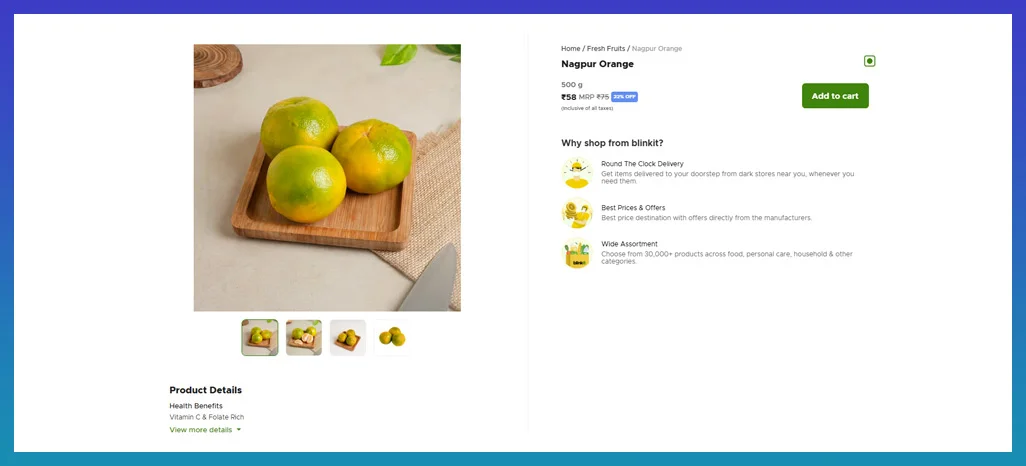
Even when a neighborhood falls inside an active delivery radius, individual SKUs frequently go offline due to localized stockouts or dynamic assortment filtering. Brands need continuous Quick Commerce Availability Tracking embedded in their daily workflows to distinguish between a postal zone that is completely unserviceable and one where a local warehouse has temporarily exhausted stock.
Automated Quick Commerce Data Scraping extracts storefront availability, pricing, and delivery timelines at scheduled intervals throughout the day without manual intervention. Supply chain analysts rely on this continuous feed to spot sudden dips in shelf presence before revenue losses compound across high-traffic residential areas.
Combining this telemetry with Blinkit Product Availability Tracking empowers supply chain managers to replenish high-velocity fulfillment centers before competitors capture the missed shelf space. Category teams translate these granular signals into immediate operational improvements across regional distribution networks:
- Triggering automated restock alerts whenever core SKUs drop offline in priority neighborhoods.
- Comparing competitor shelf share across identical postal codes during festive sale periods.
- Adjusting minimum order quantities for regional distributors based on local depletion velocity.
| Metric Tracked | Manual Audit Approach | Automated Zone Monitoring | Operational Impact |
|---|---|---|---|
| Postal Zones Checked Daily | 10 – 25 zones | 5,000+ zones | 200x broader market visibility |
| Refresh Frequency | Weekly or ad-hoc | Hourly / Real-time | Immediate stockout alerts |
| SKU-Level Accuracy | ~70% (Prone to error) | 99.4% verified | Reliable replenishment triggers |
| Regional Gap Detection | Delayed by weeks | Same-day identification | Faster distributor allocation |
Understanding How to Track Blinkit Availability Across Multiple PIN Codes helps category managers identify localized consumer preferences with surgical precision. Data frequently shows premium health snacks performing strongly in tech-corridor neighborhoods while value packs dominate suburban zones, enabling sharper assortment planning across micro-markets.
Turning Local Reach Insights Into Competitive Retail Growth
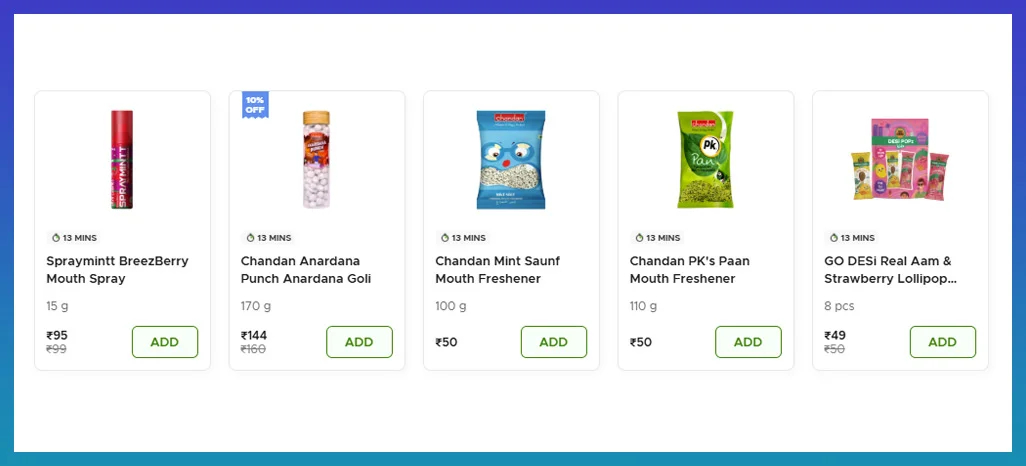
Access to structured Location-Based Product Availability Data for Brands transforms how sales, marketing, and supply chain teams collaborate on regional execution. Instead of running broad city-wide digital ads that waste budget on unserviceable localities, performance marketers can restrict geo-targeted campaigns exclusively to postal zones where inventory is verified in stock.
Enterprise analytics platforms integrate Quick Commerce Data Intelligence Solutions directly into internal business intelligence dashboards for automated reporting across all regional territories. This unified view ensures leadership teams make commercial decisions grounded in live neighborhood reality rather than outdated wholesale dispatch numbers.
With Automated Blinkit Location-Wise Availability Monitoring running continuously in the background, regional sales heads receive instant alerts whenever flagship products drop below threshold availability across priority urban clusters. Commercial teams leverage these real-time notifications to execute targeted growth initiatives:
- Pausing paid search and social ads automatically in postal zones experiencing temporary stockouts.
- Allocating trade marketing budgets toward high-converting neighborhoods with verified catalog depth.
- Measuring true post-campaign sales lift by isolating postal codes with uninterrupted product availability.
| Business Function | Without Zone-Level Visibility | With Automated Reach Data | Measurable Outcome |
|---|---|---|---|
| Performance Marketing | Wasted impressions in unserviceable zones | Geo-fenced ads tied to live stock | 22% – 35% higher ROAS |
| Supply Chain Planning | Reactive restocking after sales dip | Predictive warehouse replenishment | 18% reduction in lost sales |
| Trade & Key Accounts | Broad city-level distributor reviews | Store-specific SLA negotiations | Stronger shelf share retention |
| New Product Launches | Blind rollout across metro regions | Phased launch in high-coverage zones | Faster early velocity metrics |
Industry studies across fast-moving consumer goods show that out-of-stock incidents on rapid delivery apps cause immediate brand switching in over 60% of orders. Maintaining continuous visibility across every target postal zone protects market share and ensures consistent consumer access during peak shopping windows.
How Web Fusion Data Can Help You?
Building scalable hyperlocal monitoring pipelines requires specialized infrastructure capable of handling frequent location switching without getting blocked. Integrating a reliable Blinkit PIN Code Serviceability Check into your daily retail intelligence workflow becomes effortless when backed by enterprise-grade data extraction capabilities designed for high-frequency e-commerce tracking.
Our custom Web Scraping Solutions deliver clean, structured datasets tailored to your exact SKU list and target geographies, enabling your teams to act on real-time market shifts with complete confidence:
- Automated multi-location extraction covering thousands of urban and semi-urban postal zones across India.
- Real-time tracking of SKU stock status, dark store fulfillment availability, and estimated delivery timelines.
- Scheduled data delivery in JSON, CSV, or direct API formats ready for seamless BI integration.
- High-accuracy anti-blocking architecture ensures uninterrupted data collection during peak sale events.
- Historical trend logs that help category teams analyze seasonal demand shifts and restocking cycles.
- Dedicated engineering support to customize data fields, frequency schedules, and alert thresholds for your brand.
By automating Quick Commerce Delivery Serviceability Data India, we eliminate manual tracking bottlenecks and equip your commercial teams with accurate, decision-ready local market intelligence every single day.
Conclusion
Hyperlocal retail success depends on knowing exactly where your products are visible, in stock, and deliverable to end consumers. Running a consistent Blinkit PIN Code Serviceability Check bridges the gap between assumed distribution and actual neighborhood reach, while tracking Blinkit Availability by PIN Code ensures your brand never loses ground due to hidden dark store blind spots.
Sustaining high shelf availability across India's fast-moving delivery networks requires continuous visibility into every active postal zone. With Automated Blinkit Location-Wise Availability Monitoring, your team can optimize inventory allocation, eliminate wasted ad spend, and capture higher local market share. Connect with Web Fusion Data today to automate your quick-commerce intelligence.