Introduction
Winning in online retail requires more than simply listing your products on major marketplaces. Modern shoppers make split-second purchasing decisions based on search placement, visual appeal, pricing, and verified customer ratings. Without clear visibility into how your catalog appears across multiple digital storefronts, your brand risks losing market share to aggressive competitors.
To maintain a competitive edge, leading consumer brands rely on structured data intelligence to track every customer touchpoint. Implementing a reliable E-Commerce Product Tracking API allows teams to capture real-time SKU data, monitor price fluctuations, and identify missing content before these issues negatively impact daily conversion rates.
By adopting Digital Shelf Analytics, businesses transform raw marketplace metrics into clear, actionable growth strategies. Utilizing Digital Shelf Monitoring empowers retail teams to spot ranking drops early, optimize product pages effectively, and drive sustainable revenue growth across every online sales channel.
Improving Brand Search Placement and Product Page Accuracy
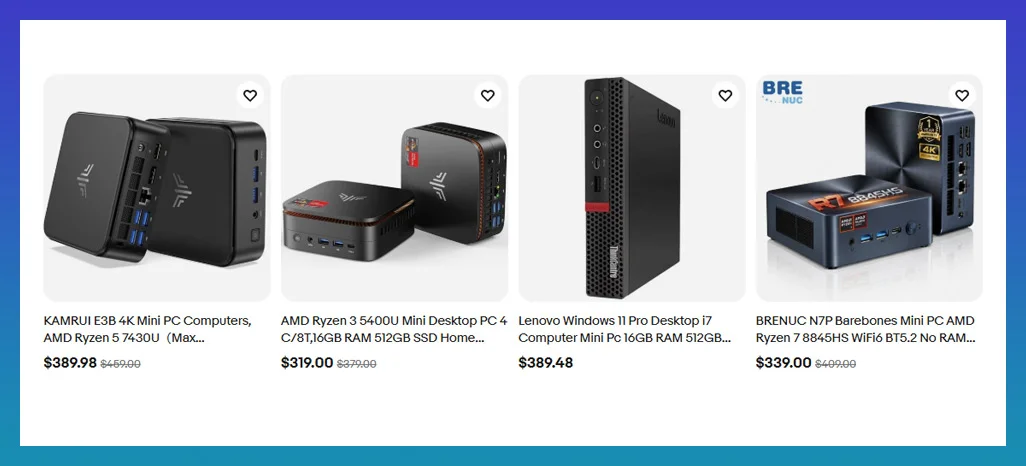
Organic search placement directly dictates how much traffic your product pages receive across major online retail marketplaces. Industry research reveals that over 70% of online shoppers never click past the first page of marketplace search results, making top-tier ranking essential for sustainable revenue generation. Furthermore, product listings featuring complete, high-resolution images and detailed specifications experience up to a 30% higher conversion rate than incomplete pages.
To achieve superior search placement, brands must continuously audit their product titles, descriptive bullet points, backend search terms, and visual gallery assets. Partnering with specialized Digital Shelf Analytics Services helps retail organizations identify missing content elements and maintain strict brand compliance across authorized third-party sellers. This structured auditing workflow prevents unauthorized catalog edits from eroding customer trust.
Consistent catalog supervision also ensures that high-intent buyers encounter accurate, persuasive information regardless of which storefront they visit. Implementing systematic Online Product Visibility Tracking enables merchandising teams to measure organic share of voice across priority category keywords and adjust retail media bids accordingly.
- Audit product titles and descriptions daily to ensure strict alignment with brand guidelines.
- Verify that high-resolution images, comparison charts, and video assets load properly across mobile devices.
- Track organic keyword rankings to identify sudden visibility drops caused by algorithm updates.
| Performance Metric | Unoptimized Product Listings | Optimized Product Listings |
|---|---|---|
| Page 1 Search Share | 18% average visibility | 64% average visibility |
| Average Conversion Rate | 2.1% across categories | 4.8% across categories |
| Content Compliance Score | 62% adherence to brand guidelines | 98% adherence to brand guidelines |
| Customer Return Rate | 14% due to inaccurate specs | 6% due to clear descriptions |
Maintaining accurate product pages requires ongoing vigilance across every retail partner. Integrating automated Product Listing Monitoring into daily operations guarantees that content discrepancies are resolved immediately, protecting conversion rates and strengthening long-term buyer loyalty.
Preventing Retail Stockouts and Protecting Online Revenue Streams
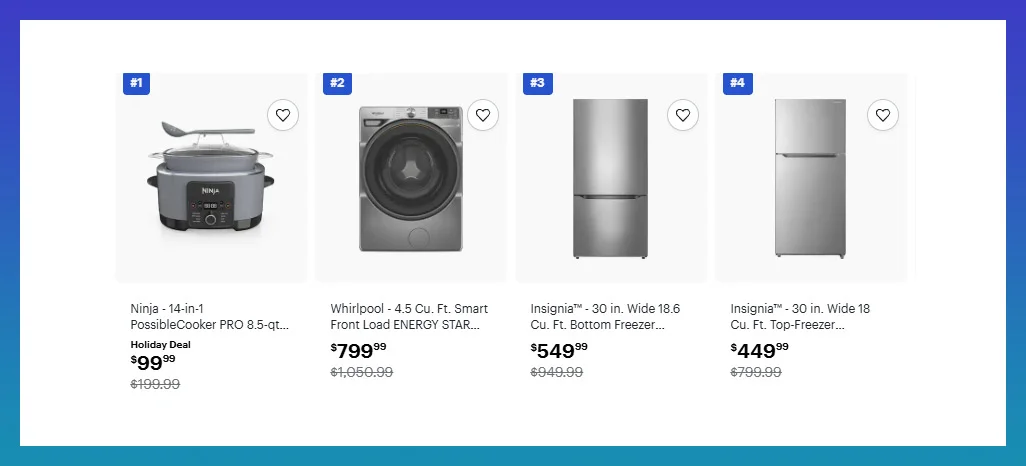
Even the highest-ranking product page generates zero revenue when the item unexpectedly goes out of stock across key fulfillment centers. Global retail studies indicate that inventory stockouts cost e-commerce brands nearly $1 trillion annually, and roughly 40% of online shoppers will immediately purchase a competing item if their preferred brand is unavailable.
Proactive supply chain intelligence bridges the critical gap between warehouse inventory operations and daily digital merchandising decisions. Integrating a dedicated Product Availability Service alerts brand managers the exact moment stock levels drop below safe thresholds at specific regional retail locations. These early warnings allow operations teams to expedite replenishment shipments before search rankings suffer permanent damage.
Maintaining steady stock levels also prevents marketing teams from wasting valuable advertising budgets on unavailable SKUs. Utilizing continuous Ecommerce Product Monitoring empowers performance marketers to automatically pause sponsored product campaigns when inventory runs low and redirect ad spend toward well-stocked catalog items.
- Receive instant notifications when core SKUs hit low-stock or out-of-stock status across retail partners.
- Synchronize regional inventory levels with paid search campaigns to eliminate wasted advertising spend.
- Protect Buy Box ownership by ensuring authorized sellers maintain consistent warehouse stock.
| Inventory & Availability KPI | Reactive Inventory Management | Proactive Shelf Intelligence |
|---|---|---|
| Average Out-of-Stock Rate | 12.5% of active catalog | 2.3% of active catalog |
| Wasted Ad Spend on OOS SKUs | 18% of monthly ad budget | Less than 1% of monthly budget |
| Buy Box Win Percentage | 54% average retention | 89% average retention |
| Lost Revenue Recovery | Delayed by 7 to 14 days | Resolved within 24 to 48 hours |
Consistent product availability safeguards both immediate sales volume and long-term organic search authority. Leveraging structured Digital Shelf Data Collection for Consumer Brands equips supply chain leaders with granular demand insights needed to keep top-performing products continuously ready for purchase.
Outsmarting Market Competitors Through Pricing and Review Insights
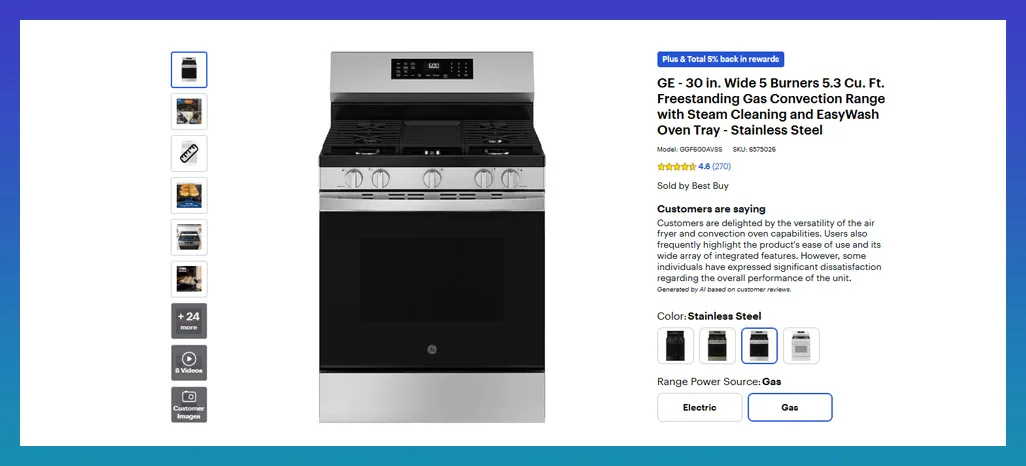
Online marketplaces operate in a state of constant flux, with automated repricing algorithms adjusting retail prices millions of times every single day. Consumer behavior studies show that 86% of online shoppers actively compare prices across multiple platforms before completing a purchase, while 93% read verified customer reviews to validate product quality and reliability.
Understanding how your product catalog stacks up against rival offerings requires continuous, structured marketplace intelligence. Deploying a comprehensive Competitive Benchmarking Solution allows pricing analysts to track rival price adjustments, seasonal discount campaigns, and bundle promotions across key categories in real time.
Beyond pricing dynamics, verified buyer feedback offers a goldmine of actionable product development intelligence. Implementing advanced Retail Competitor Intelligence Solutions helps product teams analyze thousands of competitor reviews to uncover recurring manufacturing flaws, packaging complaints, and unmet customer expectations.
- Monitor hourly competitor price changes and promotional discounts across major online retail channels.
- Analyze verified buyer ratings and sentiment trends to identify emerging product improvement opportunities.
- Compare category assortment gaps to discover profitable niches underserved by competing brands.
| Competitive Intelligence Area | Manual Tracking Approach | Automated Shelf Benchmarking |
|---|---|---|
| Competitor Price Updates | Checked weekly or monthly | Tracked hourly in real time |
| Review Sentiment Analysis | Sampled manually (under 100 reviews) | 100% of verified reviews analyzed |
| Promotional Share of Voice | Estimated post-campaign | Measured live across categories |
| Assortment Gap Detection | Quarterly category reviews | Continuous SKU-level comparison |
Armed with accurate market benchmarks, commercial teams can execute timely promotional responses and refine product positioning. Utilizing scalable Digital Shelf Data Collection Services ensures your leadership team always makes strategic pricing and assortment decisions backed by verified marketplace evidence.
How Web Fusion Data Can Help You?
Scaling an online retail business demands accurate, timely data from dozens of global marketplaces. We empower consumer brands with customized Digital Shelf Analytics that turn complex marketplace metrics into clear, revenue-driving decisions. Our enterprise data infrastructure ensures your teams always have complete visibility across every retail touchpoint.
- Extract clean, structured product data across global e-commerce marketplaces in real time.
- Track daily keyword search rankings and share of voice across desktop and mobile views.
- Identify unauthorized sellers, content discrepancies, and missing visual assets automatically.
- Monitor regional stock availability and Buy Box ownership across multiple seller accounts.
- Analyze verified customer ratings and review sentiment to guide product improvements.
- Receive automated alerts whenever competitor pricing or promotional strategies shift.
Protecting brand equity and profit margins also requires strict pricing oversight across third-party sellers. Our specialized Map Monitoring Services and Digital Shelf Analytics for Ecommerce Brands help you detect minimum advertised price violations immediately, enforce reseller compliance, and maximize your long-term online marketplace profitability.
Conclusion
Thriving in today's crowded e-commerce landscape requires continuous visibility into every factor influencing the digital buyer journey. By integrating Digital Shelf Analytics into daily retail operations, organizations eliminate blind spots across search rankings, product content, stock availability, and pricing. Implementing reliable Digital Shelf Monitoring empowers your teams to respond quickly to marketplace shifts and convert more browsers into loyal customers.
Sustaining long-term marketplace growth depends on transforming raw retail data into decisive, profitable actions. Utilizing Digital Shelf Data Collection Services equips your brand with the accurate intelligence needed to outperform competitors and protect revenue across every sales channel. Contact Web Fusion Data today to schedule a personalized consultation and elevate your e-commerce performance.