Introduction
The modern grocery landscape is undergoing a massive shift as quick-commerce platforms redefine consumer purchasing habits. To maintain a competitive edge, retailers and brands rely heavily on real-time market insights. Utilizing DoorDash & Instacart Grocery Price Data Scraping enables businesses to continuously monitor dynamic shelf prices, track regional promotional strategies, and instantly identify emerging market demands.
Understanding regional pricing structures and dark-store fulfillment models requires continuous data collection. Automated web scraping yields comprehensive insights into hyper-local catalog variations and vendor distribution networks. Modern analytical engines depend on this structured data pipeline to anticipate consumer demand shifts, align inventory levels, and optimize dynamic pricing formulas effectively across major delivery networks.
As competitive pressures accelerate across online delivery platforms, real-time market visibility has transformed from an advantage into an absolute necessity. Leveraging platform analytics empowers brands to establish precise pricing benchmarks and eliminate out-of-stock scenarios. Automated data extraction provides the foundational visibility required to scale commercial strategies across complex e-commerce landscapes efficiently.
Strategic Analysis Of Real Time Dynamic Pricing Mechanics
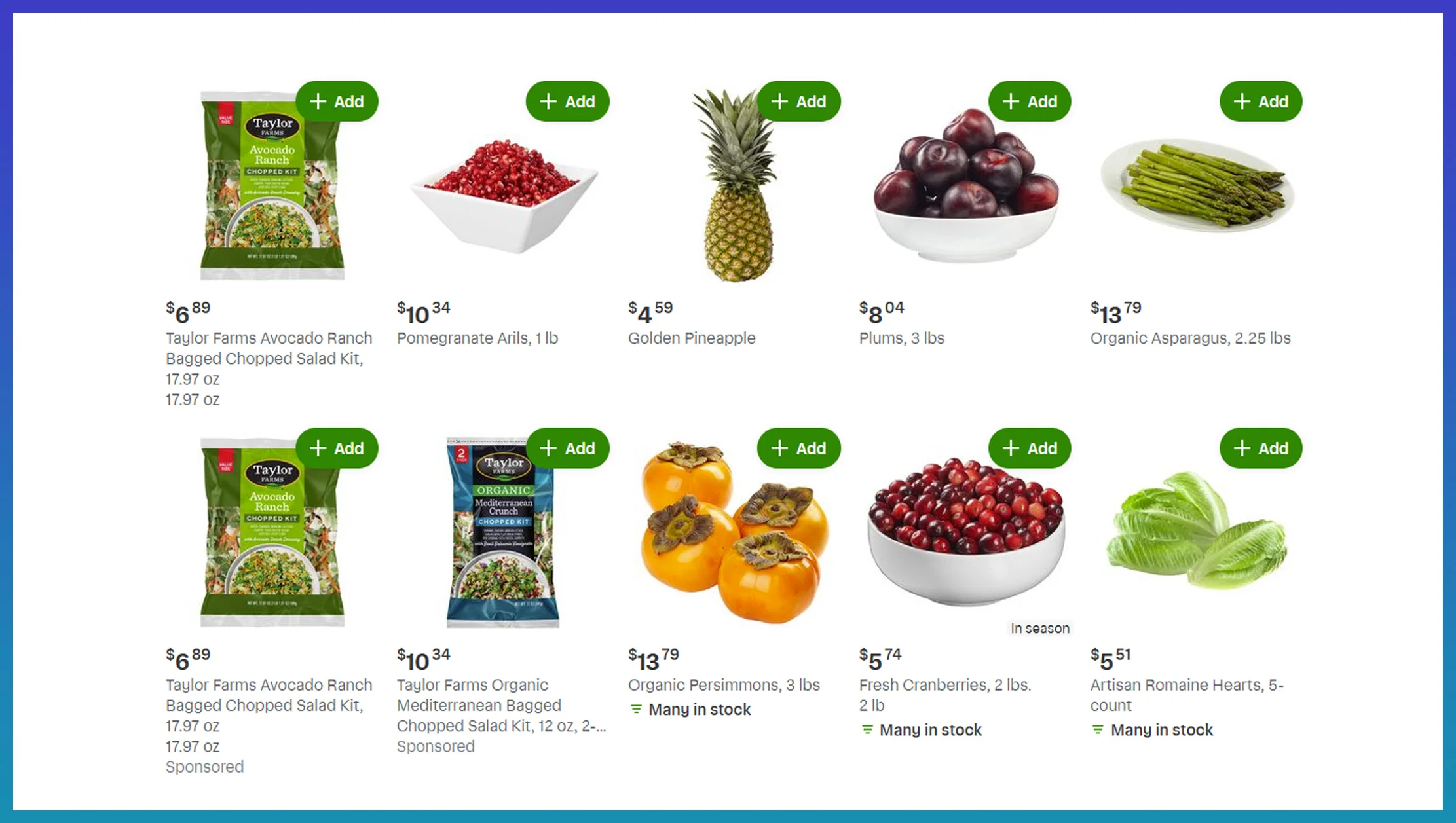
Modern retail environments require constant tracking of localized pricing updates across varied geographic boundaries. Regional pricing strategies vary significantly across zip codes due to supply constraints, local labor rates, and platform-specific markups. Real-time monitoring allows commercial brands and supermarket chains to evaluate localized price elasticity and identify unexpected margin erosion immediately. Continuous data collection helps maintain profit margins across rapidly expanding digital marketplace networks.
Evaluating item availability prevents significant revenue loss caused by unfulfilled consumer orders and sudden store stock depletion. Modern extraction pipelines reveal dynamic adjustments in Grocery Product Availability, allowing regional suppliers to balance distribution loads efficiently across urban fulfillment nodes. Tracking inventory fluctuations across specific delivery hubs provides clear visibility into hyper-local purchasing power, velocity trends, and seasonal consumer demand patterns.
Through systematic collection of DoorDash & Instacart Retail Data Intelligence, commercial planning teams can build robust forecasting models that account for short-term price adjustments and competitive digital promotions. Enterprise leaders utilize these automated data pipelines to protect catalog margins, optimize regional marketing strategies, and maintain strong commercial positioning across all active delivery channels.
- Continuous monitoring of hyper-local markup percentages across regional zip codes.
- Real-time automated tracking of stock depletion and replenishment cycles.
- Algorithmic evaluation of peak-hour surge pricing structures and platform adjustments.
| Operational Focus Area | Regional Marketplace Variance | Commercial Strategy Objective |
|---|---|---|
| Dynamic Base Price | 4.2% - 8.5% | Optimize profit margins per regional delivery zone |
| Dynamic Surge Pricing | 12.0% - 18.5% | Balance peak-hour consumer demand and driver availability |
| Stock Availability Rate | 91.2% Operational Norm | Prevent listing suppression and preserve brand loyalty |
Comparative Benchmarking Across Leading Multi Platform Marketplaces
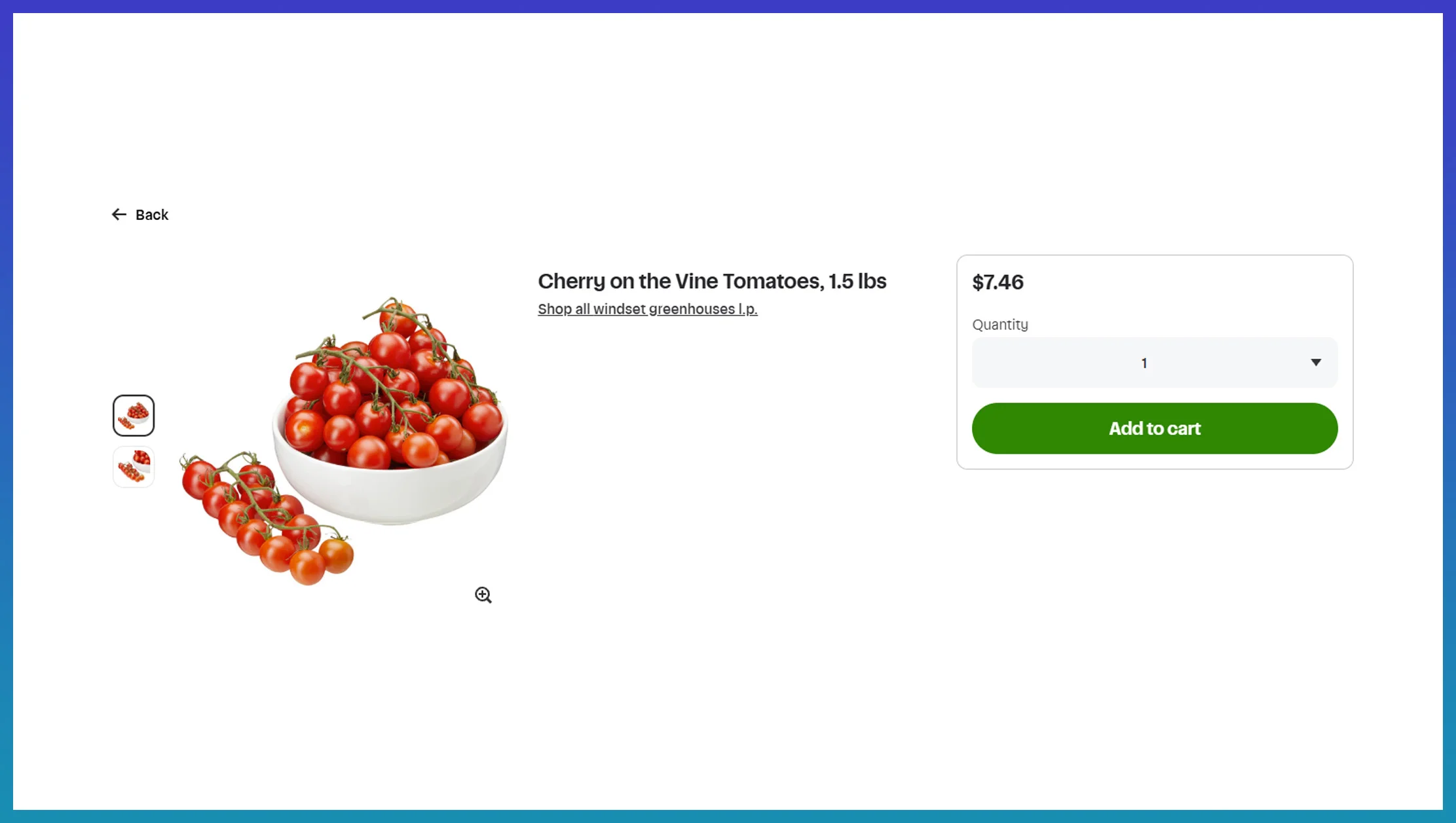
Evaluating catalog discrepancies between major delivery aggregators exposes how distinct platform positioning strategies directly affect end-consumer pricing structures. Executing a thorough DoorDash vs Instacart Grocery Price Comparison highlights differences in base markup percentages, membership discount impacts, and service fee configurations. Retail leaders utilize these comparative metrics to negotiate better merchant placement rates and balance multi-platform distribution programs effectively.
Consistently monitoring digital shelf movements enables brands to identify regional promotional campaigns launched by direct competitors. Data pipelines expose sponsored search positions, localized bundle offers, and featured category banner placements across targeted geographic markets. Identifying these promotional activities in real time allows merchandising teams to react swiftly with tailored counter-promotional strategies.
Accessing reliable Grocery Price and Availability Data Extraction systems allows market research units to construct baseline pricing indices across diverse urban and suburban demographic sectors. Enterprise teams leverage these baseline datasets to standardize multi-channel pricing models, refine localized promotional spending, and optimize overall marketplace revenue growth across all active distribution networks.
- Multi-platform cross-referencing of merchant markup rates and membership discounts.
- Automated visibility into competitor search placements and sponsored banner ads.
- Standardization of pricing indices across urban and suburban geographic zones.
| Analytics Focus | Primary Platform Alpha | Secondary Platform Beta | Market Insight |
|---|---|---|---|
| Average Retail Markup | 5.0% - 15.0% | 7.0% - 18.0% | Secondary platform trends slightly higher on specialty items |
| SKU Density Per Store | 15,000 - 25,000 | 30,000 - 50,000 | Secondary platform leads in deep catalog diversity |
| Fulfillment SLA Target | 30 - 45 Minutes | 60 - 120 Minutes | Primary platform focuses on high-velocity rapid delivery |
Dark Store Operations And Micro Fulfillment Demand Metrics

Dark stores and micro-fulfillment centers have optimized local inventory replenishment speed, significantly shifting modern grocery distribution models. Systematic Instacart Data Scraping offers complete visibility into localized inventory turnover rates and fulfillment center throughput metrics. Evaluating these fulfillment hubs exposes regional product preferences and enables optimized stock allocation before localized shortages occur.
Cross-referencing grocery supply metrics with food service trends provides a comprehensive overview of local consumer spending patterns. Implementing targeted DoorDash Restaurant Data Scraping reveals shifting consumer preferences between fully prepared meal orders and home-cooked meal ingredients within shared geographic delivery zones. These overlapping data points provide deep context regarding consumer behavior changes.
Leveraging structured Instacart Grocery Price Monitoring for Retailers empowers commercial teams to adjust distribution schedules, refine promotional calendars, and optimize hyper-local inventory allocations. Business analysts utilize these combined platform streams to predict macro-level shifts in grocery demand, refine supply chain workflows, and maintain strong market shares across competitive urban territories.
- Deep tracking of micro-fulfillment center stock rotation and turnover speeds.
- Cross-category analysis comparing prepared meal orders to raw grocery purchases.
- Data-driven refinement of hyper-local inventory replenishment schedules.
| Logistics Parameter | Metro Sector Baseline | Suburban Sector Baseline |
|---|---|---|
| Fulfillment Center Density | 4.2 Locations / 10 sq mi | 1.1 Locations / 10 sq mi |
| High-Velocity Category | Ready-to-Eat / Daily Dairy | Pantry Staples / Bulk Frozen |
| Dynamic Out-of-Stock Frequency | 3.8% During Peak Hours | 1.9% During Peak Hours |
How Web Fusion Data Can Help You?
Modern retail intelligence demands precise, reliable, and scalable automated data pipelines designed to process thousands of dynamic product pages continuously.
Utilizing robust DoorDash & Instacart Grocery Price Data Scraping mechanisms powered by us ensures your enterprise accesses clean, structured, and actionable market intelligence in real time without operational interruptions.
We provide:
- Scalable cloud scrapers handle millions of daily request calls smoothly without triggering anti-bot mechanisms.
- Customized delivery setups seamlessly route data feeds into existing enterprise resource databases via standard APIs.
- Advanced automated validation protocols ensure exceptionally accurate product price, weight, and barcode extraction values.
- Granular zip-code mapping capabilities deliver precise neighborhood-level visibility into localized consumer shelf pricing strategies.
- Automated dynamic tracking immediately flags competitor price drops, active platform promotions, and stock updates.
- Multi-platform scraping routines normalize catalog structures to facilitate simple cross-channel business analysis.
Deploying specialized Grocery Delivery Platform Data Scraping in the USA through us gives your analytics teams the clarity required to outperform regional competitors efficiently.
Conclusion
Navigating the rapidly shifting quick-commerce environment requires constant access to precise, enterprise-grade marketplace metrics. Harnessing comprehensive DoorDash & Instacart Grocery Price Data Scraping gives retail leaders, regional distributors, and consumer product strategists the clarity required to optimize dynamic pricing, refine product placement, and manage multi-channel supply operations seamlessly.
Building a resilient retail model involves converting raw web inputs into actionable commercial decisions. Analyzing structured Grocery Price Trends Using DoorDash and Instacart Data allows your enterprise to adapt quickly to changing consumer demands, maximize channel margins, and scale operations effortlessly. Partner with Web Fusion Data today to transform your retail analytics pipeline.