Introduction
The US e-commerce market changes rapidly as online retailers adjust product prices, introduce limited-time offers, respond to inventory shifts, and compete for customer attention across multiple digital channels. Retailers that rely on occasional manual checks often miss important market movements, especially when competitors update prices several times during a single day.
A small pricing difference can influence conversion rates, cart abandonment, repeat purchases, and overall brand positioning. Ecommerce Data Scraping for USA helps brands collect market information from relevant online stores and transform scattered product listings into usable pricing intelligence.
E-Commerce Competitor Price Tracking Using Web Scraping for US supports smarter commercial planning by helping retailers compare their offers against direct competitors. This blog explains how web scraping-based competitor price tracking can solve key pricing challenges for US online retailers, improve response times, and support more informed decisions across product categories.
Eliminating Competitive Monitoring Gaps Across Retail Categories
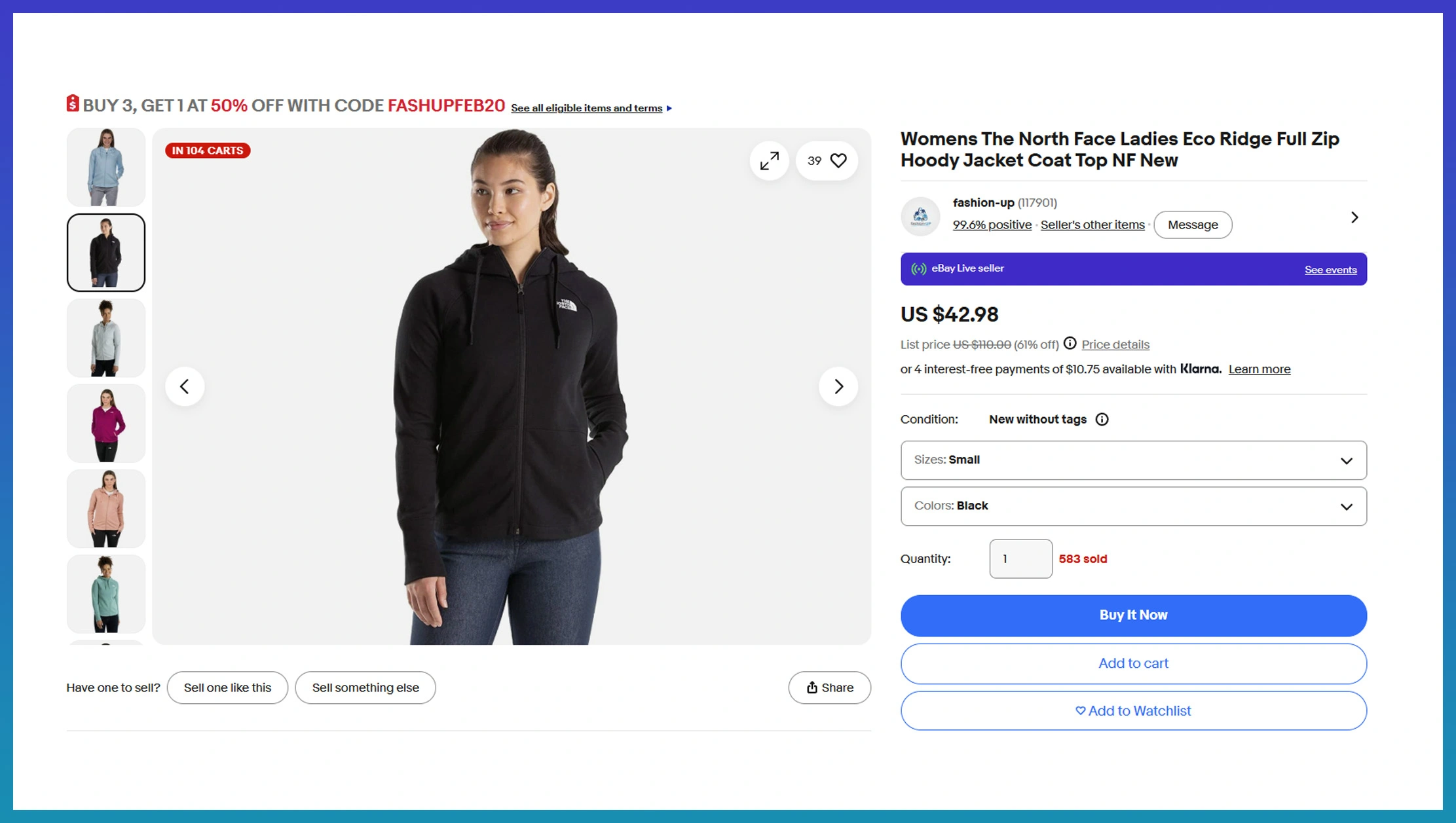
Online retailers often struggle to track competitor pricing because product prices, promotions, seller offers, and inventory levels change frequently. Manual monitoring requires teams to visit multiple websites, compare listings, record details, and update spreadsheets. This process becomes time-consuming when businesses manage large catalogs across several categories.
Retailers need consistent access to competitor information to understand whether their prices remain aligned with current market conditions. It also supports category-level comparisons by organizing product prices, promotional labels, shipping details, and seller activity into structured datasets.
In the middle of this process, Price Tracking Services help pricing teams monitor regular prices, discount values, marketplace offers, and availability changes at planned intervals. This allows businesses to identify products that may be priced above the market or categories where competitors are using aggressive promotional activity.
| Pricing Challenge | Manual Monitoring Impact | Data-Driven Solution |
|---|---|---|
| Frequent product updates | Important changes may be missed | Scheduled data collection captures updates |
| Large product catalogs | Teams cannot check every SKU | Product-level records improve coverage |
| Promotional variations | Discounts remain difficult to compare | Sale details are collected consistently |
| Seller price differences | Marketplace competition is unclear | Seller-level comparisons improve visibility |
| Availability changes | Retailers respond too late | Stock information supports faster action |
A structured monitoring process helps businesses reduce repetitive work and focus on interpreting market patterns. Pricing teams can evaluate whether changes are temporary, category-specific, or part of a wider competitive trend. This improves decision-making while reducing unnecessary price reductions that may affect margins.
Strengthening Pricing Decisions Through Complete Market Comparisons
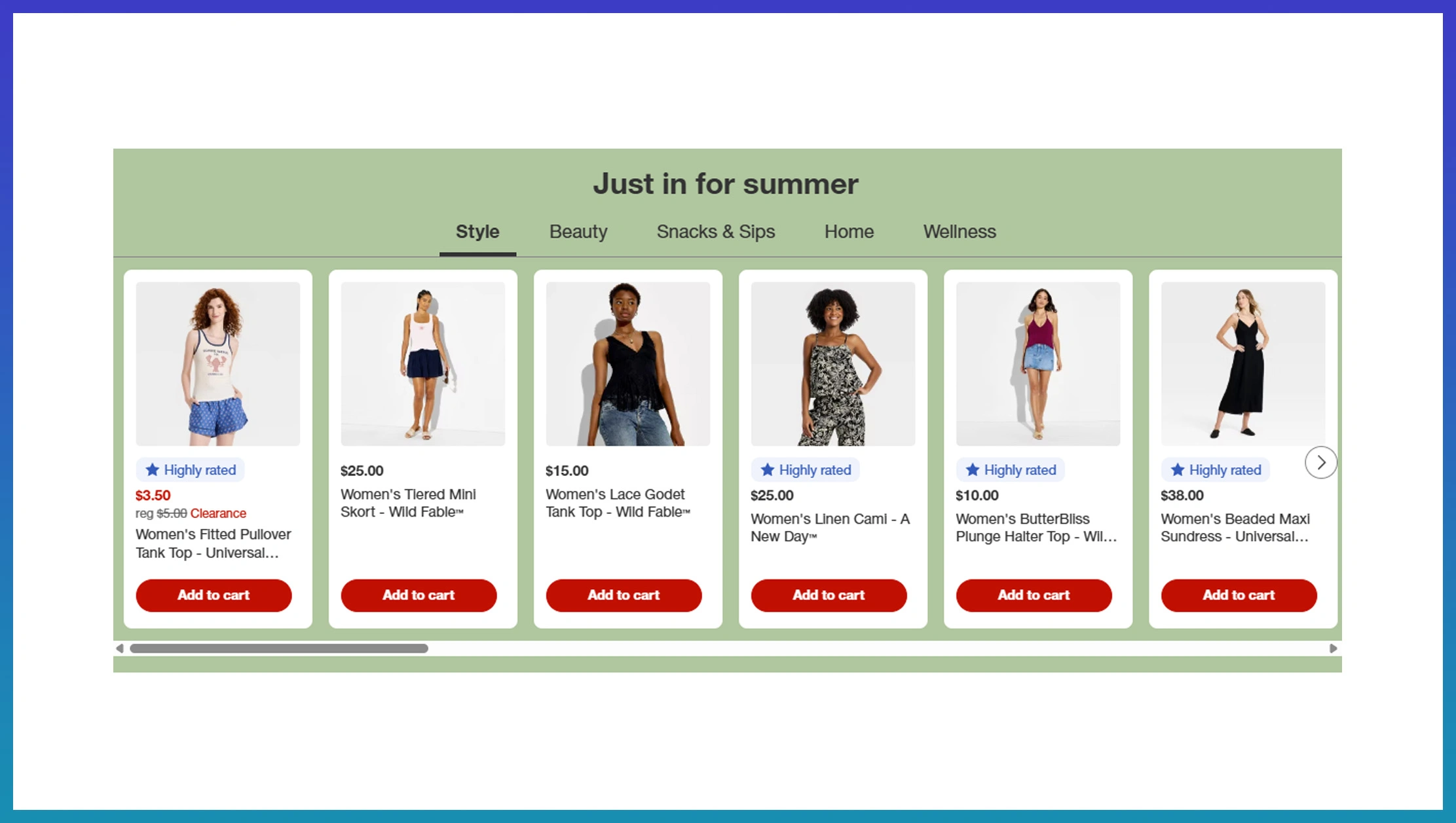
Retailers cannot make reliable pricing decisions by reviewing only the lowest visible product price. A competitor with a lower listed price may not always provide the strongest total value, which makes complete market comparisons important for pricing teams.
Businesses need organized data that shows how competitors structure their offers across product categories. Reviewing regular prices alongside promotional pricing, shipping costs, and stock availability helps teams understand the complete customer purchase experience.
During detailed market monitoring, Enterprise Web Crawling helps retailers collect structured information from multiple competitor websites and product pages at scale. It supports large catalogs by gathering pricing details, product specifications, discount labels, seller data, and availability records in one organized workflow.
| Market Comparison Factor | Why It Matters | Business Benefit |
|---|---|---|
| Regular product price | Shows competitor positioning | Supports competitive base pricing |
| Discounted product price | Reveals promotional pressure | Improves campaign planning |
| Shipping charges | Influences total customer cost | Supports checkout competitiveness |
| Product availability | Reflects demand and stock pressure | Helps plan inventory-based pricing |
| Seller information | Shows marketplace activity | Supports seller-specific actions |
| Promotion type | Identifies campaign patterns | Improves discount planning |
US E-Commerce Data Scraping for Track Competitor Prices gives retailers access to product-level information that supports better comparisons across direct competitors. Teams can establish pricing rules based on category conditions, product demand, and margin requirements instead of making broad reductions.
Managing Fast Market Changes Across Digital Retail Channels
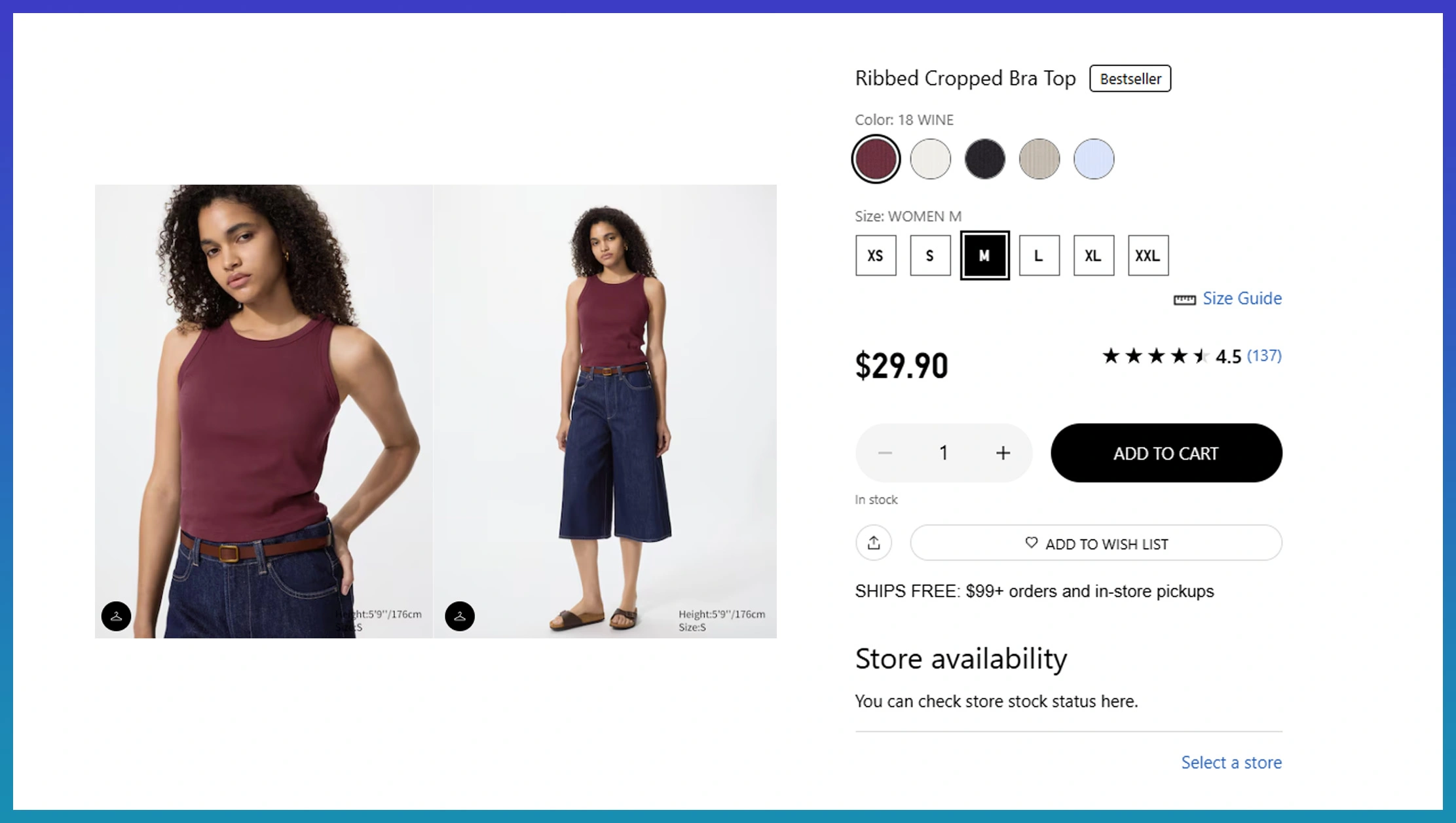
E-commerce pricing changes quickly due to flash sales, seasonal promotions, limited-stock offers, marketplace seller activity, and changing customer demand. US E-Commerce Competitor Analysis Using Product Pricing Datasets helps retailers identify recurring pricing patterns across products, brands, and categories.
Businesses need timely visibility into competitor promotions, product availability, bundle offers, and seller-level changes. Monitoring these signals helps pricing teams understand whether a competitor adjustment is temporary or part of a broader category trend.
When price movement occurs frequently, Ecommerce Scraping Services support regular collection of product prices, promotional labels, inventory signals, seller information, and delivery-related details. This structured information can be used in reports, dashboards, and internal pricing workflows, helping teams review important market changes before they become larger competitive concerns.
| Market Change | Potential Risk | Recommended Response |
|---|---|---|
| Competitor price reduction | Lower product conversion | Review market position and margins |
| Flash promotion launch | Reduced campaign visibility | Create targeted promotional responses |
| Product stock shortage | Competitors may increase prices | Assess inventory and customer demand |
| Bundle discount offer | Direct comparison becomes difficult | Review total package value |
| Marketplace seller shift | Buy box competition changes | Monitor seller and fulfillment activity |
| Seasonal markdown | Customer expectations change | Adjust campaign timing and messaging |
Real-Time Price Data Scraping for Online Retailers also helps businesses receive faster updates for important competitor movements. With current information, teams can assess pricing actions based on demand, profitability, and product value while maintaining better control over market positioning.
How Web Fusion Data Can Help You?
Competitive pricing requires accurate data, consistent monitoring, and clear reporting. Through E-Commerce Competitor Price Tracking Using Web Scraping for US, businesses can monitor competitor prices, discounts, availability, seller activity, and promotional movements across selected product categories.
We help businesses reduce manual tracking workloads and create data workflows that fit their pricing objectives.
- Monitor competitor product prices across selected online platforms
- Track discounts, promotions, and limited-time campaign offers
- Compare seller activity and marketplace price movements
- Review product availability and stock-related pricing changes
- Organize category-level data for pricing analysis
- Receive structured datasets for dashboards and reporting systems
With Price Intelligence Using Web Scraping in the US Market, businesses can identify pricing patterns, assess competitor strategies, and make more informed decisions across fast-changing retail categories.
Conclusion
Pricing decisions become more effective when retailers understand how competitors adjust offers, promotions, availability, and seller strategies. E-Commerce Competitor Price Tracking Using Web Scraping for US helps businesses monitor these changes through organized datasets rather than relying on manual checks or incomplete market observations.
By using Real-Time Price Data Scraping for Online Retailers, businesses can evaluate market movements with greater confidence while protecting margins and improving product positioning. Contact Web Fusion Data today to build a reliable competitor pricing intelligence workflow that supports smarter retail decisions and sustainable e-commerce growth.