Introduction
The rapid rise of quick commerce has transformed consumer expectations around delivery timelines, placing hyper-local order fulfillment at the heart of modern retail operations. Dark stores strategically located across urban hubs now dictate regional catalog visibility and localized pricing dynamics dynamically.
Understanding regional shifts requires granular oversight into local fulfillment nodes rather than broad e-commerce catalog tracking. Monitoring micro-level inventory changes ensures businesses adapt swiftly to fast-moving localized demand patterns, optimizing supply chains and pricing strategies effectively.
Accessing real-time stock levels allows brands and competitive analysts to evaluate market presence across targeted postal regions accurately. Reliable tracking of Flipkart Minutes Product Availability reveals essential insights into fast-delivery micro-markets and local competitive positioning.
Structural Analysis of Regional Cost and Inventory Disparities
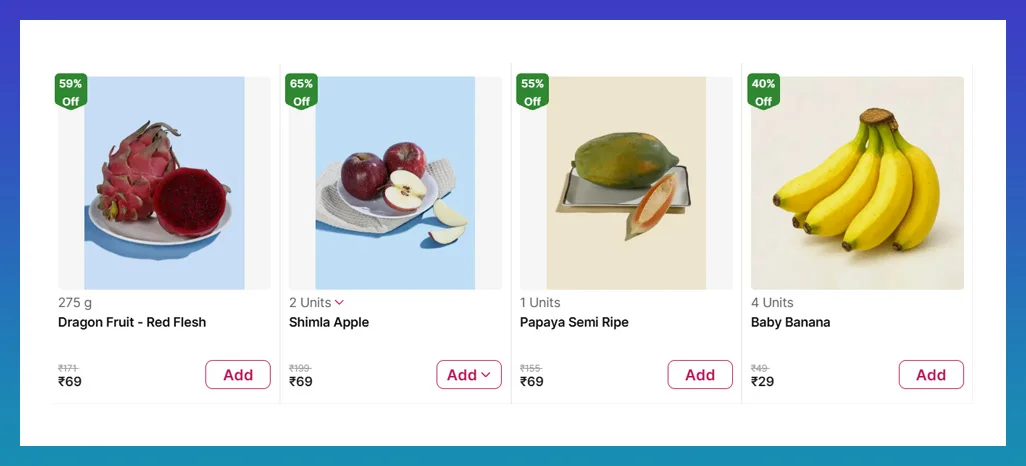
Understanding micro-regional market dynamics requires continuous oversight across multiple localized dark store fulfillment locations. E-commerce platforms now rely on micro-warehouses situated within dense urban pockets to fulfill orders within minutes. Because each node operates independently, prices and stock levels shift dynamically throughout the day. Analyzing these shifts empowers commercial teams to respond immediately to localized competitive moves and prevent lost revenue.
Hyperlocal fulfillment centers dynamically calculate item costs based on local inventory velocity and nearby competitor activity. Retail analytics teams utilizing Flipkart Minutes Location-Based Price Tracking monitor these rapid adjustments across varied postal regions to keep pricing strategies competitive. Capturing variations across zip codes helps brands detect hidden regional discounts and adjust margin calculations accordingly.
Modern pricing engines evaluate hyper-local supply and demand ratios continuously to update item rates automatically. Incorporating Flipkart Minutes Price Tracking into routine analytical workflows gives businesses clarity on discount structures across various neighborhoods. This intelligence allows brands to adjust campaign spending and align regional sales targets with real-time field data.
| Metric / Dimension | Traditional E-Commerce | Quick Commerce |
|---|---|---|
| Catalog Update Frequency | Daily or Weekly | Real-time / Hourly |
| Fulfillment Basis | Regional Fulfillment Centers | Local Dark Stores (1–3 km radius) |
| Price Variance Level | State or Zone Level | PIN Code or Store Level |
| Stock Out Risk | Moderate | High (High Velocity SKUs) |
- Automated daily and hourly updates tailored to targeted geographical postal codes.
- Granular store-level catalog monitoring covering price, discount, and stock status.
- Clean, structured output delivered via JSON, CSV, or direct database integrations.
- Enterprise-grade uptime ensures uninterrupted data flow for real-time decision-making.
Maintaining awareness of regional inventory depth prevents severe stock depletion in high-demand fulfillment nodes. Implementing structured extraction pipelines ensures that changes in regional catalogs are detected before they impact market share. Brands can maintain optimal shelf placement and run highly effective regional promotions by analyzing real-time data.
Supply Chain Alignment Across Urban Dark Store Networks
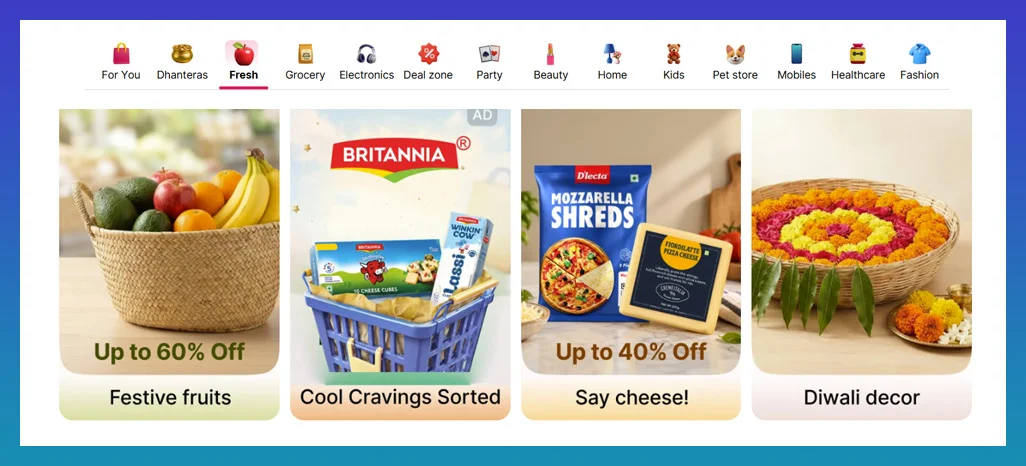
Optimizing distribution networks for quick delivery requires deep visibility into dark store stock levels. When high-velocity fast-moving consumer goods go out of stock at a specific node, consumer orders shift immediately to rival platforms. Brands that monitor real-time fulfillment data can adjust distribution routes quickly to restock crucial fulfillment centers before stockouts occur.
Regional fulfillment centers face unique logistical pressures driven by localized spikes in consumer demand. Brand intelligence teams using Flipkart Minutes Hyperlocal Product Intelligence systematically evaluate stock levels across micro-locations to prevent sudden out-of-stock events. This proactive approach protects brand reputation and prevents customer drop-off to competing brands.
Managing fast-moving consumer goods categories requires tracking stock levels and regional delivery velocities across adjacent neighborhood hubs. Integrating dedicated Quick Commerce Price Monitoring workflows allows enterprise category managers to link price shifts directly to inventory availability. Identifying low-stock triggers early allows teams to optimize supply allocations before sales decline.
| PIN Code Region | Average Dark Store In-Stock % | Daily Price Fluctuation Rate | Demand Velocity Index |
|---|---|---|---|
| Zone A (Urban Core) | 94.2% | 14.5% | High |
| Zone B (Suburban) | 88.6% | 8.2% | Medium |
| Zone C (Peripheral) | 81.3% | 4.1% | Moderate |
- Real-time inventory status verification across urban dark store networks.
- Dynamic tracking of out-of-stock occurrences at specific delivery locations.
- Automated alerting for competitive price shifts on key catalog items.
- Cross-regional velocity mapping to align brand supply with local demand.
Consistent access to store-level inventory metrics allows commercial teams to refine fulfillment logistics. Detailed visibility into local stock patterns enables precise stock allocation, reducing transport costs and improving order fulfillment efficiency. Reliable localized datasets serve as a strong foundation for long-term growth in quick commerce.
Extracting Granular Catalog Data From Local Postal Regions
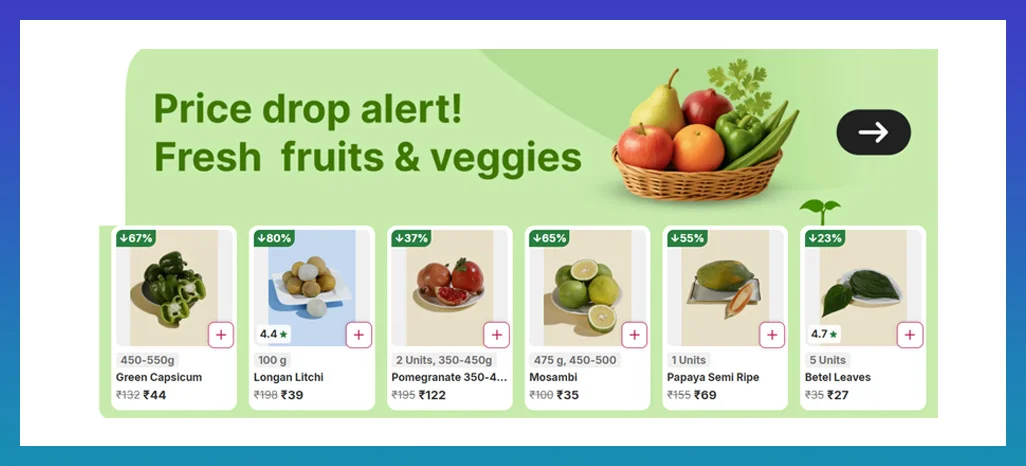
Gathering comprehensive catalog data across thousands of localized postal zones requires advanced technical infrastructure. Automated tools must query hyper-local endpoints to extract accurate prices, availability metrics, and seller details. Collecting structured data across varied postal zones allows companies to analyze regional market share and spot emerging consumer trends.
Setting up dynamic extraction pipelines allows enterprises to collect pricing and catalog datasets reliably across targeted urban areas. Businesses leveraging structured Flipkart Minutes Product Data Extraction gain clean datasets that feed straight into pricing models and analytics tools. This steady data flow supports rapid decision-making across competitive retail markets.
Deploying reliable automated scripts helps market analysts keep up with hyper-local price variations across urban retail networks. Utilizing specialized Grocery Data Scraping Services simplifies aggregating local listings, giving market intelligence teams full visibility into shelf status and competitive moves.
| Region Category | Tracked SKUs per Store | Average Out-of-Stock Duration | Price Variance Index |
|---|---|---|---|
| Metropolitan | 3,500+ | 1.8 Hours | High Variance |
| Tier-1 Suburbs | 2,800+ | 3.4 Hours | Moderate Variance |
| Emerging Markets | 1,900+ | 5.2 Hours | Low Variance |
- Scalable extraction pipelines capable of tracking thousands of micro-locations.
- Automated parsing of dynamic web elements and complex JSON schemas.
- Data cleaning and normalization protocols for instant dashboard integration.
- Historical trend logging for accurate predictive demand modeling.
Gathering granular catalog data allows brands to analyze hyper-local pricing strategies and product positioning. Transforming unstructured web data into structured insights supports automated price matching and competitive benchmarking. Accessing clean, localized datasets gives retail brands a clear edge in modern quick commerce.
How Web Fusion Data Can Help You?
Navigating quick commerce data acquisition requires sophisticated engineering capable of bypassing location restrictions and delivering real-time datasets. Tailored scraping architectures ensure seamless delivery of high-volume, PIN-code-specific information without data disruption.
Acquiring consistent Flipkart Minutes Product Availability insights empowers your enterprise to monitor micro-markets accurately and adjust strategy dynamically.
- Automated daily and hourly updates tailored to targeted geographical postal codes.
- Granular dark-store-level catalog monitoring covering price, discount, and stock status.
- Clean, structured output delivered via JSON, CSV, or direct database integrations.
- Scalable infrastructure capable of tracking thousands of micro-locations simultaneously.
- Custom mapping protocols matching competitive SKUs across multiple fast-delivery apps.
- Enterprise-grade uptime ensures uninterrupted data flow for real-time decision-making.
By leveraging a custom Grocery Scraping API, enterprises seamlessly integrate fresh local inventory feeds into internal dashboards. Deploying modern Flipkart Minutes Store-Level Availability Data solutions guarantees your business maintains complete market visibility, enabling smarter dynamic pricing, optimized stock allocation, and strong competitive advantages across all hyper-local delivery zones.
Conclusion
Hyperlocal quick commerce networks continue to reshape retail dynamics, making real-time store monitoring essential for brands aiming to preserve market share. Tracking Flipkart Minutes Product Availability allows businesses to respond rapidly to micro-market inventory shifts, optimize local pricing strategies, and secure reliable supply chains across fast-delivery zones.
Navigating localized retail shifts becomes simple when backed by precise data collection systems. Streamline your micro-market strategy today using structured Scrape Flipkart Minutes Prices by PIN Code feeds to turn real-time stock insights into sustainable business growth. Partner with Web Fusion Data now to empower your team with actionable retail intelligence.