Introduction
The cloud kitchen industry has redefined food service by operating without traditional dine-in infrastructure, relying entirely on digital platforms to connect with customers. As competition intensifies across delivery apps, brands operating multi-hub chains must continuously refine their menus, pricing, and fulfillment strategies. Food Delivery Data Scraping for Cloud Kitchens has emerged as a foundational approach for capturing real-time platform data, enabling businesses to respond faster to shifting consumer behavior and demand signals across geographies.
Beyond platform visibility, understanding how customers interact with delivery listings requires consistent monitoring of ratings, pricing changes, and promotional shifts. With the integration of Price Monitoring, brands can track competitor pricing in real time and position their offerings competitively without eroding margins. This level of granular intelligence helps multi-hub operators align their strategies with actual market conditions rather than assumptions built on outdated reports.
As cloud kitchens scale across cities, the volume and diversity of operational data grows rapidly. Brands that invest in systematic data extraction frameworks develop stronger forecasting capabilities, reduce menu mismatches, and discover demand opportunities that manual tracking cannot uncover. This case study explores how a structured data approach helped one multi-hub brand achieve a remarkable 40% surge in monthly sales by integrating intelligent extraction workflows across their entire digital delivery ecosystem.
The Client Story
A fast-growing cloud kitchen brand operating across six cities with over twenty virtual kitchen hubs approached us with a specific challenge. Despite maintaining a strong presence across multiple food delivery platforms, they lacked structured visibility into how their menus were performing relative to competitors. Their internal teams were spending hours manually compiling platform data, resulting in delayed decisions and missed opportunities. Cloud Kitchen Data Scraping was identified as the cornerstone capability needed to automate this intelligence gathering at scale.
The client's leadership team had noticed inconsistencies in delivery volumes across different city hubs, with some locations underperforming despite high order potential in those areas. Without granular demand mapping, they could not determine whether the issue lay in menu relevance, pricing misalignment, or platform ranking factors. Addressing this required Cloud Kitchen Location-Based Demand Analysis to map real customer interest patterns by geography, time of day, and cuisine category across each hub independently.
Additionally, the client needed a scalable infrastructure that could integrate data feeds from multiple delivery platforms into a single analytical environment. Their existing tools offered fragmented reporting, with no capacity to benchmark against competitor listings or track pricing shifts in near real time. They sought a partner capable of building reliable, automated extraction pipelines that could feed directly into their operational dashboards, giving decision-makers consistent and timely intelligence without manual overhead.
The Challenges
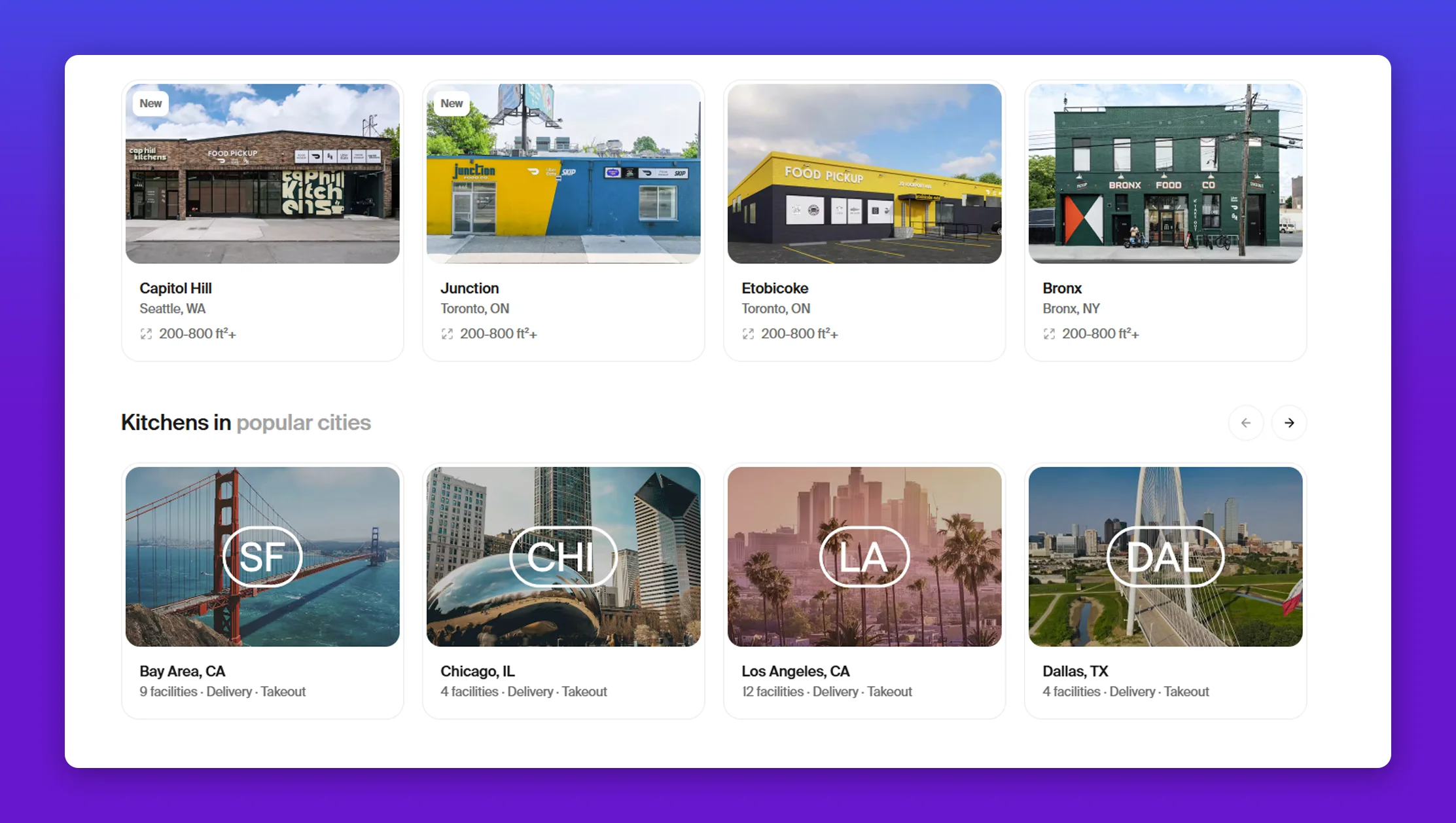
Before engaging with us, the client encountered a series of compounding operational obstacles. Each challenge individually created friction, but together they formed a significant barrier to sustainable growth across their multi-hub network.
The core obstacles included:
- Inability to monitor competitor menu structures and promotional offers consistently, limiting strategic Cloud Kitchen Competitor Analysis across active markets.
- No automated system for capturing delivery platform data, making Cloud Kitchen Competitor Data Scraping a time-consuming and error-prone manual task.
- Weak demand mapping across hub locations, leaving the client without reliable signals for menu customization or inventory planning.
- Disconnected data sources across platforms that prevented a unified view of pricing trends, item performance, and customer rating patterns.
- Lack of structured workflows to support Food Delivery Analytics Data Extraction, resulting in reports that were outdated before any action could be taken.
These challenges limited the brand's ability to respond to emerging market opportunities and maintain consistent sales performance. Implementing Food Data Scraping Services in its decision-making process could help identify market changes early, improve platform rankings, and support higher order volumes across multiple hubs.
The Solutions
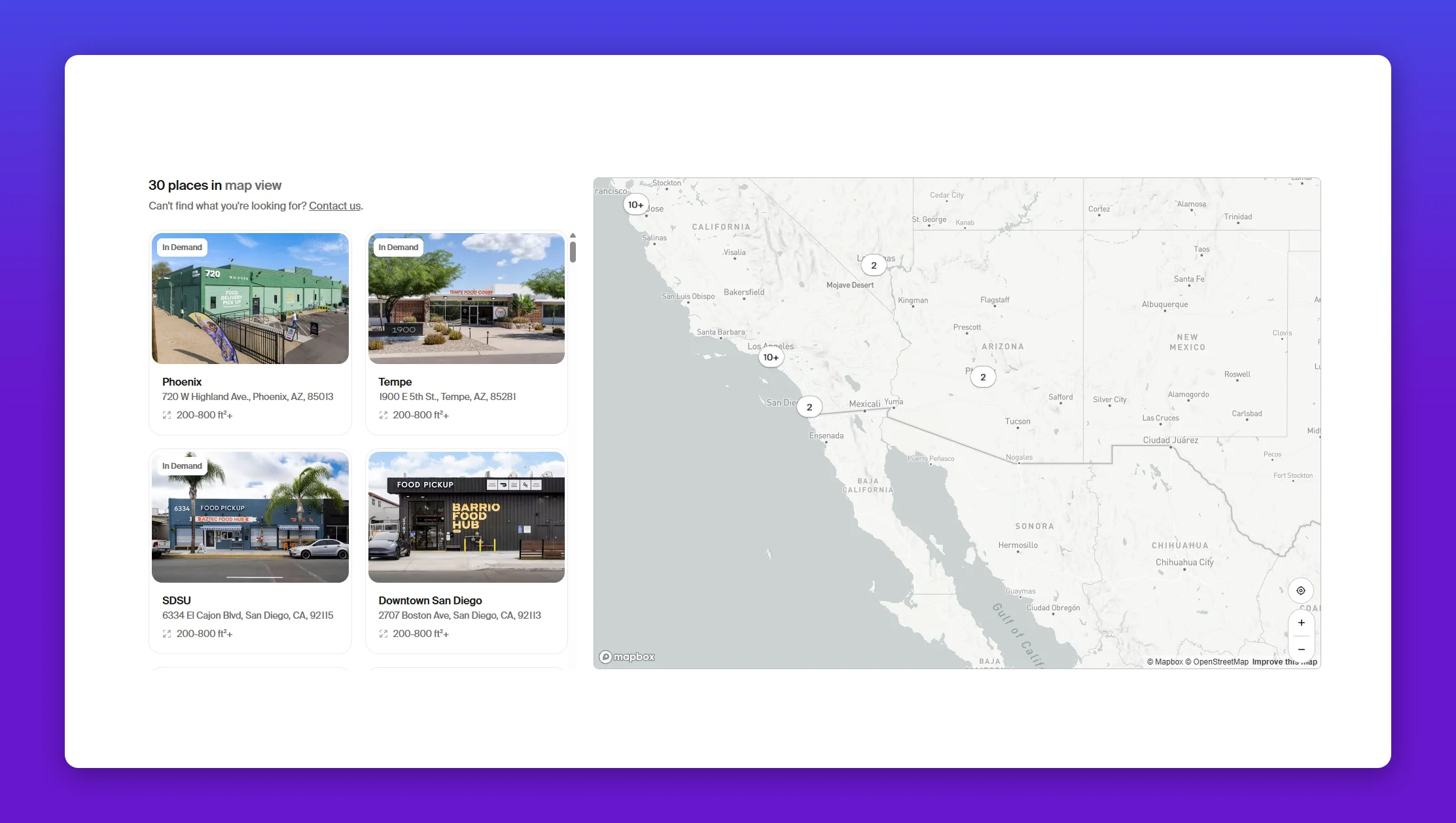
We designed a comprehensive extraction and analytics framework tailored to the specific operational structure of the client's multi-hub model. The solution prioritized automation, scalability, and integration with the client's existing dashboards to minimize workflow disruption while maximizing data value.
The key components of the solution included:
- Deployment of automated pipelines for Food Delivery Data Scraping for Cloud Kitchens across all active delivery platforms, capturing menu data, item ratings, delivery timelines, and pricing updates in near real time.
- A dedicated module for Restaurant Pricing and Menu Data Scraping that tracked competitor listings across matching cuisine categories, enabling the client to identify pricing gaps and promotional patterns before they affected order volumes.
- Integration of location-intelligence workflows that fed hub-specific demand signals into the client's planning tools, supporting smarter menu curation per geography.
- Structured data outputs designed to work with the client's business intelligence environment, ensuring clean, standardized datasets were available for analysis without manual preprocessing.
- A monitoring layer built through Food Scraping API connectivity that ensured continuous, uninterrupted data flow even during peak platform activity periods.
Together, these components formed an end-to-end intelligence system capable of turning fragmented platform activity into structured, actionable insights. The client's teams could now access competitor benchmarks, demand trend reports, and menu performance summaries within a single consolidated environment updated continuously.
Benefits of Choosing Web Fusion Data
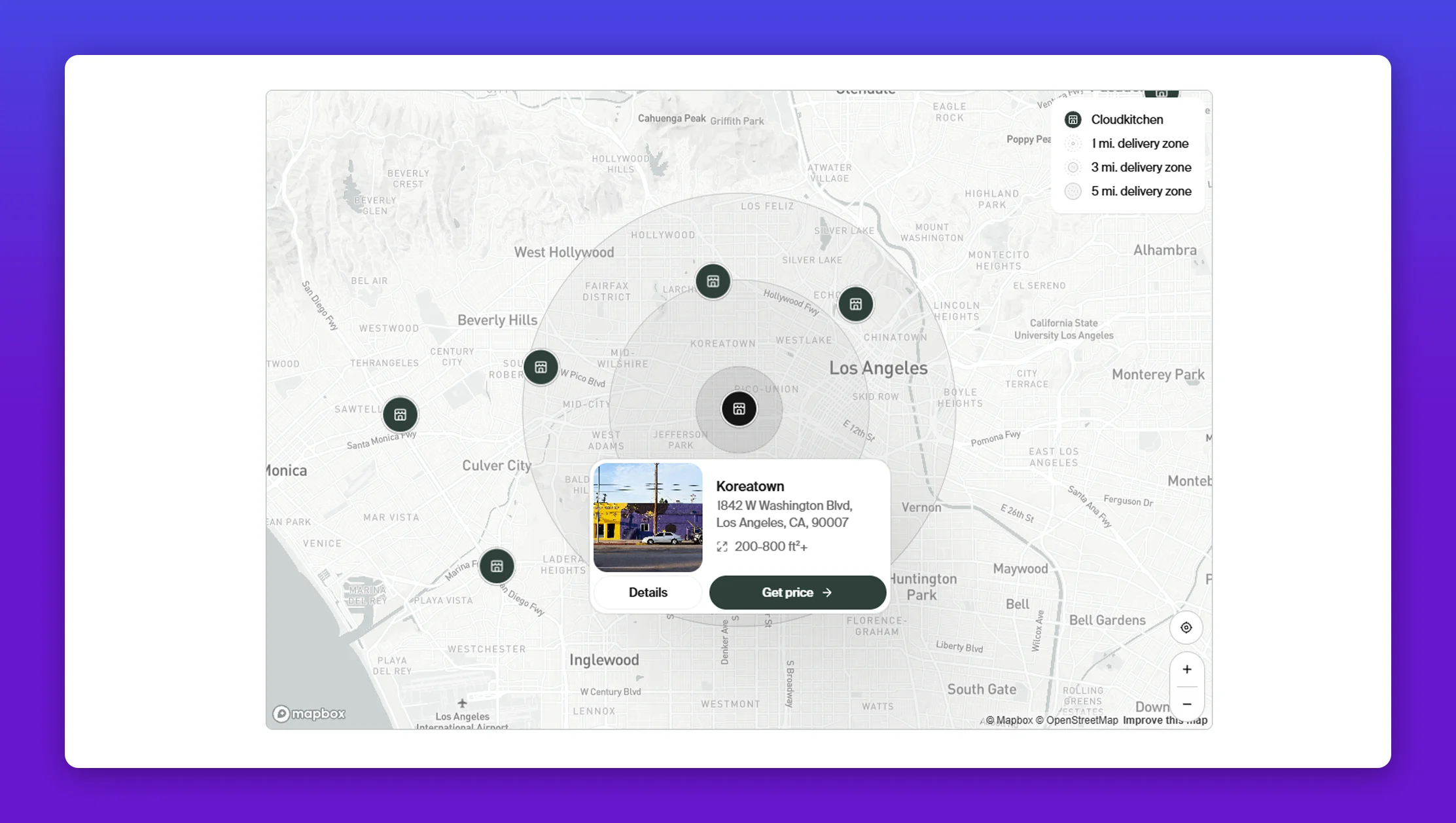
Businesses operating across multiple virtual kitchen hubs require a data partner that understands the unique complexity of delivery-first operations. We deliver measurable advantages that go beyond standard data collection.
-
Precision at Scale
Every extraction pipeline is designed to handle the volume and velocity of multi-platform delivery data, ensuring Cloud Kitchen Revenue Growth is supported by insights that remain accurate and timely across all hubs simultaneously. -
Competitive Intelligence Depth
Our systems capture structured competitor data continuously, enabling brands to perform reliable Cloud Kitchen Competitor Analysis without manual monitoring, keeping strategic teams focused on decisions rather than data gathering. -
Demand-Driven Customization
Location-specific extraction workflows reveal which menu items drive orders in each hub area, enabling hyper-local menu strategies that respond to real customer preference patterns rather than broad assumptions. -
Seamless Technology Integration
Extracted datasets are delivered in formats that plug directly into existing dashboards and analytics tools through Food Scraper Services, eliminating compatibility barriers and reducing implementation time significantly. -
Actionable Reporting Cadence
Delivery of structured reports on a consistent schedule ensures that operational teams always have current intelligence to inform pricing decisions, promotional planning, and hub-level performance reviews. -
Scalable Infrastructure
As the client's hub network expands, the extraction framework scales proportionally, ensuring that data coverage grows in alignment with the business without requiring significant additional investment in tools or personnel.
Results Generated Through Structured Data Intelligence
| Performance Area | Starting Benchmark | Methodology Used | Result Recorded |
|---|---|---|---|
| Monthly Revenue Growth | Baseline at 100% | Multi-platform data extraction | +40% within 90 days |
| Menu Relevance Score | 58% match rate | Location demand mapping | 84% match rate |
| Competitor Price Response Time | 72 hours average | Automated pricing monitoring | Under 4 hours |
| Delivery Time Accuracy | 61% on-time rate | Order timeline analytics | 89% on-time rate |
| Hub-Level Order Volume | Uneven across 20 hubs | Demand-based menu curation | Balanced +35% average |
| Customer Rating Improvement | 3.6 average platform score | Review pattern analysis | 4.4 average score |
This data reflects how structured extraction across multiple layers of delivery platform activity creates compounding improvements across operations. When menu relevance, pricing intelligence, and delivery performance are addressed simultaneously using real data, the cumulative effect on revenue and customer satisfaction becomes substantial.
Each row in this table represents a business function that was transformed from reactive to proactive by consistent access to structured insights, enabling the client to outperform competitors across their active markets. Restaurant Market Intelligence played a central role in aligning strategic decisions with live market conditions, ensuring that every adjustment was grounded in verified platform data rather than estimation.
Client's Testimonial
Working with Web Fusion Data completely changed how we operate across our hubs. The insights we now receive through Food Delivery Data Scraping for Cloud Kitchens have allowed our teams to respond faster, plan smarter, and serve customers more effectively than we ever could before. The structured competitor and demand data delivered through Cloud Kitchen Data Scraping workflows gave us the edge we were missing for years.
– Head of Digital Operations, Multi-Hub Cloud Kitchen Group
Conclusion
This engagement demonstrates how businesses that commit to structured, automated data intelligence consistently outperform competitors still relying on manual analysis and intuition-based planning. Food Delivery Data Scraping for Cloud Kitchens is no longer an optional enhancement for multi-hub operations; it is a core operational requirement for brands that want to grow systematically and sustainably across competitive delivery markets.
The results achieved by this client, including a 40% revenue increase in under ninety days, reflect the direct impact of combining platform data extraction with smart demand mapping and Cloud Kitchen Revenue Growth strategies built on verified, real-time intelligence. Contact Web Fusion Data today to discover how our tailored extraction frameworks can help your cloud kitchen brand scale confidently across every hub in your network.