Contact Us
Web Fusion Data

LunchBox operates in a segment of India's food delivery market that no premium cloud kitchen brand or QSR chain targets with the same focus — everyday homestyle comfort meals at sub-₹200 price points, built around a rotating daily menu of dal-rice, rajma-chawal, butter chicken combos, and thali plates that serve the weekday office lunch and work-from-home midday meal occasion rather than weekend celebration or premium dining moments. LunchBox Food Data Scraping is built to read this catalog at the level it actually operates on — meal type, daily or weekly rotation tag, EatSure direct versus aggregator price, lunch-hour ETA, and weekday versus weekend menu availability — giving cloud kitchen operators, F&B investors, and India food delivery analysts a precise view of how high-frequency, price-sensitive homestyle meal demand behaves in a category defined by repetition and affordability rather than occasion or premium positioning. Paired with Food Data Intelligence, this turns a rotation-based, affordability-anchored, daily meal catalog into pricing and competitive decisions grounded in how India's urban daily meal delivery consumers actually order.
Menu categories tracked — thali combos, single-dish meals, rice bowls, roti combos, and daily specials
Daily meal and combo listing records monitored monthly across EatSure direct and aggregator channels
Field-level accuracy on per-meal pricing, daily special rotation, and lunch-hour ETA data
Refresh aligned to daily menu rotation, lunch-hour peak windows, and weekday versus weekend demand cycles
LunchBox food data scraping is the structured extraction of daily meal pricing data — menu item name, meal type, EatSure direct price, aggregator-listed price, veg or non-veg classification, lunch-hour ETA, and weekday or weekend rotation tag — from a cloud kitchen brand whose commercial model is built around high-frequency repeat ordering rather than occasion-driven purchase, with a rotating menu that changes daily or weekly to simulate the variety of home-cooked meals while maintaining sub-₹200 price discipline. A LunchBox Multi-Channel Menu Extraction Engine reads listings while distinguishing which meal type, rotation window, and ordering channel each item belongs to, since the demand logic for a weekday rajma-chawal daily special on EatSure differs from the same meal's aggregator price, a weekend chole-bhature offering, or a multi-dish thali combo versus a single-dish rice bowl. This clean, schema-consistent data feeds directly into Food Datasets for India homestyle meal delivery analysis, daily menu rotation benchmarking, and affordability-tier competitive intelligence.
Every extraction run follows a consistent schema so cloud kitchen and market teams can compare daily meal prices, EatSure-versus-aggregator gaps, rotation schedules, and lunch-hour ETAs without manually checking each listing across thali combos, rice bowls, roti combos, and weekend specials separately.
Tracking something more specific — weekday versus weekend meal demand velocity by dish type, EatSure-versus-Zomato price gap trends for daily specials, or sub-₹150 meal availability coverage by city zone? The schema is built per-engagement around what your cloud kitchen pricing or daily meal market team actually needs.
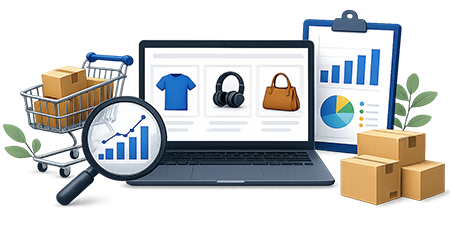
These use cases demonstrate how LunchBox data-driven systems improve decision-making and support scalable India homestyle cloud kitchen and daily meal delivery growth strategy.
Daily Meal Pricing & Rotation Benchmarking
EatSure Direct vs. Aggregator Price Gap Analysis
Weekday vs. Weekend Menu Demand Comparison
Lunch-Hour ETA & Peak Demand Monitoring
Sub-₹200 Meal Availability Coverage Mapping
Dish Identity & Homestyle Menu Rotation Tracking
Web Fusion Data builds extraction logic around how LunchBox's rotation-based, affordability-anchored, daily meal cloud kitchen catalog actually operates — not a generic food delivery scraper repointed at a homestyle meal brand.
Daily Rotation & Menu Freshness Tracking
Captures daily and weekly rotation tags alongside dish identity, since LunchBox's rotating menu is a core part of its product proposition — tracking only the current menu on a single date misses the rotation depth and variety pattern that drives repeat ordering behavior and competitive differentiation from static-menu cloud kitchens.
Affordability Tier Intelligence
Built to track the sub-₹200 price band with precision, since LunchBox competes on affordability against home cooking, tiffin services, and canteen alternatives rather than against other restaurant delivery brands — price monitoring requires capturing every ₹10-20 price movement that shifts the effective cost-versus-home-cooking decision for a daily meal consumer.
Weekday vs. Weekend Demand Pattern Tracking
Tracks day type and rotation window as distinct fields, since LunchBox's demand is structurally concentrated in weekday lunch hours driven by office and work-from-home occasions — weekend demand follows a completely different pattern with different dish preferences, order volumes, and price sensitivities that require separate analysis.
Lunch-Hour ETA as a Competitive Field
Captures lunch-hour ETA alongside price, since in the daily meal segment delivery speed during the 12pm-to-2pm window is a primary conversion driver — consumers choosing between LunchBox, a local tiffin, and cooking at home are highly time-sensitive at lunchtime in ways that evening food delivery consumers are not.
A LunchBox-focused extraction run moves through four stages built around the structure of a rotation-based, lunch-optimised, affordability-anchored cloud kitchen catalog.
Defines which meal types, dish identities, rotation windows, or city zones to track, keeping the crawl focused on the daily meal segment or lunch-hour window relevant to your pricing or competitive question.
Pulls meal item, category, dish identity, EatSure price, aggregator price, veg classification, ETA, and rotation tag fields using a LunchBox Multi-Channel Extraction Engine built to handle thali combos, rice bowls, roti combos, and daily specials within one consistent run.
Cross-checks extracted records against prior runs to flag meal price changes, EatSure-versus-aggregator gap shifts, menu rotation updates, new dish additions, or lunch-hour ETA changes before data reaches you.
Delivers structured datasets and daily meal summaries on a daily refresh schedule aligned to LunchBox's rotation cycle — tighter monitoring during weekday lunch peaks, standard cycles for weekend menu and city zone availability tracking.
| # | Menu Item | Category | Meal Type | EatSure (₹) | Aggr. (₹) | Veg / NV | ETA (min) | Day Tag | Captured |
|---|---|---|---|---|---|---|---|---|---|
| 01 | Dal Tadka + Rice + Roti (2) + Salad | Thali Combo | Full Meal | ₹139 | ₹159 | Veg | 25–40 | Weekday | 2026-06-29 |
| 02 | Rajma Chawal + Papad + Pickle | Rice Bowl | Single Dish | ₹109 | ₹129 | Veg | 25–40 | Daily Special | 2026-06-29 |
| 03 | Butter Chicken + Rice + Roti (2) | Non-Veg Combo | Full Meal | ₹169 | ₹189 | Non-Veg | 25–40 | Weekday | 2026-06-29 |
| 04 | Paneer Butter Masala + Roti (3) | Roti Combo | Full Meal | ₹149 | ₹169 | Veg | 25–40 | Everyday | 2026-06-29 |
| 05 | Chole Bhature (2) + Lassi | Weekend Special | Single Dish | ₹129 | ₹149 | Veg | 25–40 | Weekend | 2026-06-29 |

We bring deep expertise across multiple industries, offering tailored Web Scraping Services that align with your specific goals, delivering high-value insights from complex, unstructured web data.
We build Custom Web Scraping Solutions that scale effortlessly—from small datasets to millions of pages—ensuring speed, reliability, and performance without compromise.
We design every solution from scratch to match your exact data requirements, including specific fields, formats, and frequency—making our Web Data Extraction Services truly flexible.
We ensure precision through smart data parsing, rigorous validation, and multi-step quality checks—so your Data Scraping Service delivers clean, dependable results every time.
We offer seamless API-based Web Scraping, delivering structured data directly to your systems in real time, ensuring easy integration with your existing tools and workflows.
We follow ethical practices and data compliance protocols, helping you stay secure, responsible, and legally sound while extracting public web data using our Web Crawler Services.
FAQs

At WebFusionData, we specialize in cutting-edge web scraping solutions to help you unlock valuable insights and drive business growth. Whether you need custom data extraction, real-time monitoring, or large-scale web scraping, our team is here to assist you.

Ready to get started? Contact us for a personalized quote.