Introduction
Rapid grocery delivery has transformed urban retail habits across tier-one and tier-two Indian cities in 2026. Consumer expectations for ten-minute fulfillment force platforms to place micro-warehouses closer to residential clusters. Consequently, Quick Commerce Dark Store Expansion India has become the primary battleground for market share, unit economics, and customer retention among leading digital storefronts.
Analyzing Quick Commerce Industry Trends India reveals an aggressive shift from metro saturation toward emerging regional hubs. Brands now evaluate hyperlocal demand density before signing commercial leases. Mapping Quick Commerce Product Availability by Pincode enables operators to identify underserved neighborhoods, prevent stockouts, and optimize delivery rider routing across dense metropolitan corridors.
Throughout 2026, Blinkit, Zepto, and Swiggy Instamart are deploying capital into automated micro-fulfillment centers. These dark stores carry high-margin non-grocery categories alongside daily essentials. Understanding how each competitor scales its physical footprint provides vital insights into profitability, assortment localization, and supply chain resilience in India’s fast-evolving retail landscape.
Scaling Micro Warehouses Across Tier One and Two Cities
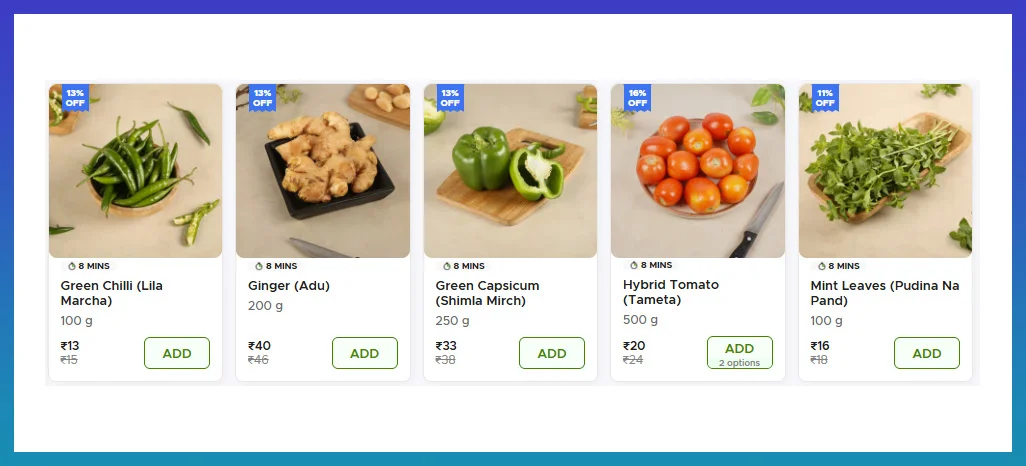
Physical network density directly determines delivery speed, order capacity, and rider utilization rates in modern hyperlocal retail across India. Market leaders have expanded aggressively beyond Bengaluru, Mumbai, and Delhi NCR into emerging urban centers like Jaipur, Lucknow, Indore, and Surat. Executing Blinkit Dark Store Expansion has allowed Zomato’s quick commerce arm to cross 2,400 active micro-warehouses nationwide while maintaining industry-leading average order values.
Simultaneously, Zepto Dark Store Expansion by City demonstrates rapid cluster penetration in western and southern corridors, reducing average delivery times to under ten minutes across dense neighborhoods. Monitoring these physical rollouts requires structured Quick Commerce Data Scraping India to capture real-time store openings, catchment boundaries, and delivery radius changes.
Tracking Swiggy Instamart Dark Store Expansion highlights a distinct strategic shift toward larger mega pods capable of storing consumer electronics, beauty products, and bulky household appliances alongside daily groceries. By utilizing Dark Store Location Intelligence, retail analysts can accurately correlate micro-warehouse proximity with repeat order frequency, revealing how localized infrastructure reduces last-mile logistics costs and boosts contribution margins across newly entered pin codes.
- Catchment Radius Optimization: Placing fulfillment centers within a two-kilometer radius of high-density apartment complexes cuts rider travel time significantly.
- Tier-Two City Penetration: Emerging regional hubs now account for nearly thirty-five percent of newly commissioned fulfillment centers in 2026.
- Real Estate Format Shifts: Operators are leasing larger ground-floor commercial spaces to accommodate expanded non-grocery merchandise catalogs.
- Rider Fleet Utilization: Higher store density enables delivery partners to complete up to four orders per hour during peak evening windows.
| Platform | Active Stores (2026) | Primary Regional Focus | Avg. Store Size (Sq. Ft.) | Core SKU Count |
|---|---|---|---|---|
| Blinkit | 2,440+ | Tier-1 & Top 30 Tier-2 Cities | 3,000 – 4,500 | 10,000+ |
| Zepto | 1,140+ | High-Density Metro Clusters | 2,500 – 3,800 | 8,500+ |
| Swiggy Instamart | 1,140+ | Metro Suburbs & Mega Pods | 3,500 – 5,000 | 11,000+ |
As competition intensifies across both metropolitan suburbs and regional markets, store count alone no longer guarantees sustainable market leadership. Platforms must carefully balance aggressive real estate acquisition with store-level breakeven timelines, ensuring each newly launched micro-warehouse reaches optimal daily order volume within ninety days of operation.
Assortment Diversification and Dynamic Pricing Battlegrounds Across Platforms
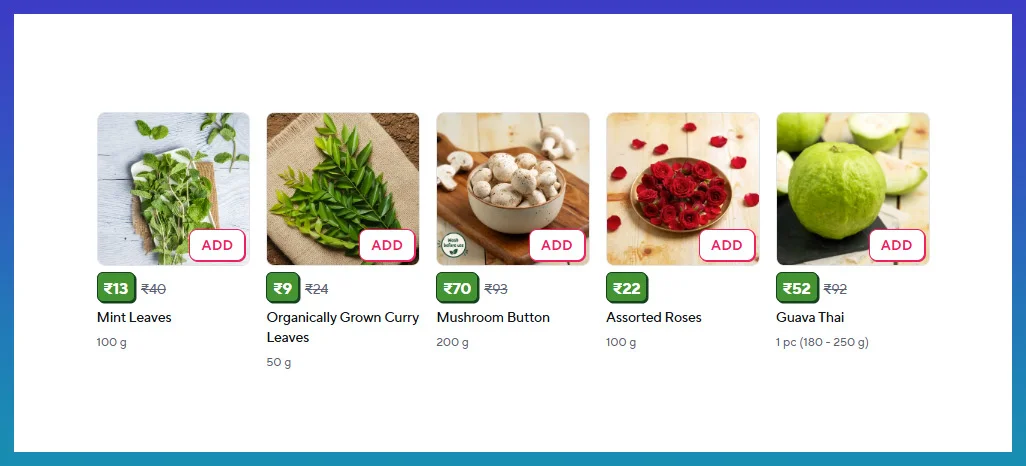
As dark store footprints stabilize across major urban corridors, long-term profitability depends heavily on basket size expansion and gross margin optimization. Platforms are moving rapidly beyond low-margin fresh produce and dairy into high-margin categories like personal care, festive merchandise, and small consumer electronics.
Conducting thorough Quick Commerce Competitor Analysis shows that neighborhood dark stores now curate hyper-specific inventories tailored to local demographics, household income brackets, and seasonal buying patterns. Deploying Quick Commerce Data Intelligence Solutions empowers FMCG brands and retail strategists to monitor SKU-level sales velocity and shelf placement across competing storefronts.
Executing Zepto Price and Assortment Tracking uncovers frequent dynamic discounting strategies, flash deals, and multi-pack bundling used to capture peak-hour traffic during weekends and live sporting events. Furthermore, evaluating the Blinkit Dark Store Expansion Strategy in India illustrates how private-label introductions and localized brand partnerships strengthen shelf monetization while protecting contribution margins against rising real estate and labor expenses.
- High-Margin Category Expansion: Beauty, electronics, and home essentials now contribute over thirty-five percent of total gross merchandise value.
- Hyperlocal Assortment Curation: Inventory mixes vary drastically between commercial business districts and family-oriented residential suburbs.
- Dynamic Surge and Promo Pricing: Algorithms adjust product discounts hourly based on local competitor stock levels and weather conditions.
- Private Label Integration: In-house brands in staples and snacks deliver significantly higher margins than third-party packaged goods.
| Product Category | Share of Basket Value (2026) | Avg. Gross Margin | Replenishment Cycle | Pricing Volatility |
|---|---|---|---|---|
| Fresh Produce & Dairy | 32% | 14% – 18% | Daily | High |
| Packaged Foods & Beverages | 28% | 20% – 25% | Every 48 Hours | Moderate |
| Personal Care & Beauty | 22% | 30% – 38% | Weekly | Low |
| Electronics & Home Essentials | 18% | 25% – 35% | Bi-Weekly | Moderate |
Platforms that successfully balance competitive everyday pricing with uninterrupted stock availability consistently outperform rivals in repeat customer retention. Consumer goods manufacturers must align their regional distribution networks with these shifting catalog priorities to secure prominent digital shelf visibility across every active pin code.
Warehouse Automation and Supply Chain Efficiency Inside Stores
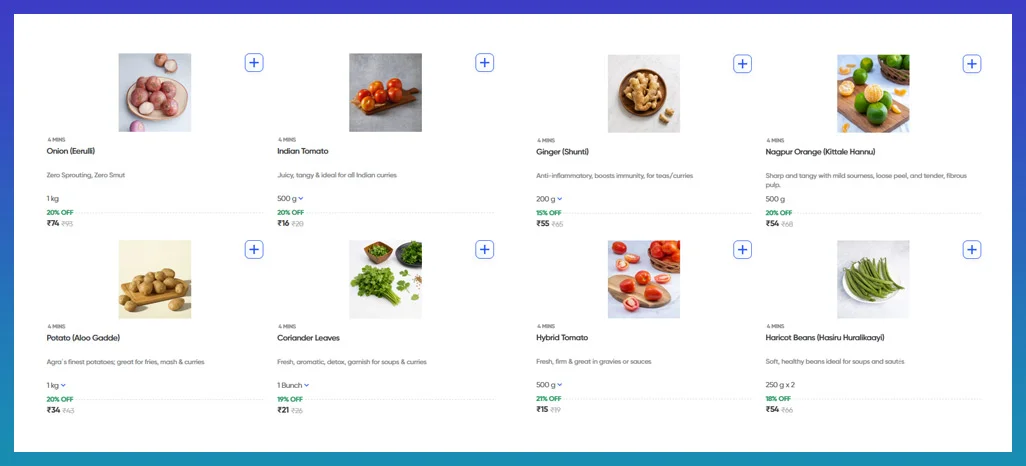
Operational speed inside a modern micro-fulfillment center relies heavily on warehouse automation, predictive demand forecasting, and real-time inventory synchronization. In 2026, leading quick commerce operators integrated handheld barcode scanners, automated bin mapping, and AI-powered replenishment algorithms across their entire store networks.
These technological upgrades reduce average order picking and packing times to under seventy-five seconds while minimizing inventory shrinkage and expiry write-offs across temperature-sensitive perishable categories. To benchmark these operational efficiencies externally, consumer brands and retail analysts rely on enterprise-grade Web Scraping Solutions that extract live storefront metrics without manual intervention.
Automated data pipelines capture SKU-level stock depletion rates, dynamic surge fee triggers, and estimated delivery windows across thousands of pin codes simultaneously. By analyzing dark store throughput alongside promotional visibility, brands can identify regional supply chain bottlenecks and adjust distributor inventory allocations proactively before stockouts erode customer loyalty.
- Barcode-Driven Bin Mapping: Digital aisle routing guides store pickers along the shortest path to assemble multi-item baskets rapidly.
- Predictive Demand Forecasting: Machine learning models anticipate hyperlocal spikes driven by local holidays, rain, or sporting events.
- Cold Chain Modernization: Multi-zone refrigeration units preserve dairy, frozen foods, and fresh produce quality inside compact urban spaces.
- Automated Stock Replenishment: Mother warehouses dispatch restocking vans overnight based on real-time store depletion thresholds.
| Operational Metric | 2024 Benchmark | 2026 Benchmark | Primary Efficiency Driver |
|---|---|---|---|
| Order Picking Time | 2.5 Minutes | 1.2 Minutes | Automated Bin Mapping |
| Inventory Stockout Rate | 8.5% | 3.1% | Predictive Demand Models |
| Orders Per Store / Day | 950 | 1,450 | Expanded Assortment & Radius |
| Last-Mile Delivery Cost / Order | ₹48 | ₹34 | Shorter Rider Travel Distance |
Data-backed operational visibility ensures consumer goods manufacturers and retail platforms maintain optimal digital shelf share as quick commerce becomes a primary distribution channel. Continuous monitoring of fulfillment speed and inventory accuracy separates profitable market leaders from cash-burning competitors across urban India.
How Web Fusion Data Can Help You?
Scaling retail operations requires accurate, real-time visibility into hyperlocal market shifts across India. As Quick Commerce Dark Store Expansion India reshapes consumer buying habits, we deliver structured, actionable datasets tailored to enterprise decision-makers.
Our automated extraction infrastructure captures granular storefront intelligence across Blinkit, Zepto, and Swiggy Instamart.
- Monitor hyperlocal inventory levels, stockout frequencies, and SKU availability across thousands of urban and semi-urban pin codes.
- Track real-time product pricing, promotional discounts, surge fees, and dynamic bundling strategies across competing delivery apps.
- Identify newly launched dark stores, delivery radius adjustments, and regional warehouse coverage expansions as they happen.
- Benchmark digital shelf visibility, sponsored banner placements, and organic search rankings for FMCG and D2C brands.
- Analyze localized assortment variations to align product distribution with neighborhood-specific consumer demand patterns.
- Receive clean, ready-to-integrate datasets delivered via APIs or custom dashboards to support commercial forecasting teams.
By integrating our specialized Price Intelligence Services alongside continuous Quick Commerce Competitor Analysis, your business can optimize pricing strategies, protect profit margins, and capture high-intent hyperlocal shoppers with confidence.
Conclusion
The rapid evolution of urban fulfillment proves that Quick Commerce Dark Store Expansion India is no longer an experimental retail model, but the backbone of modern convenience shopping. Throughout 2026, Blinkit, Zepto, and Swiggy Instamart are refining their micro-warehouse economics through smarter store placement, automated picking workflows, and high-margin category diversification.
Companies that continuously monitor Quick Commerce Industry Trends India will understand how hyperlocal infrastructure, localized assortments, and delivery speed dictate consumer loyalty across metropolitan and emerging tier-two markets. To succeed in this competitive ecosystem, retail brands and market analysts must move beyond guesswork and base every commercial decision on verified, real-time storefront data.
Tracking Blinkit Dark Store Expansion Strategy in India alongside rival pricing and stock movements equips your team to respond swiftly to regional demand shifts. Partner with Web Fusion Data today to access customized quick commerce datasets, track competitor pricing accurately, and scale your hyperlocal retail strategy with precision.