Introduction
FMCG businesses operate in a highly dynamic environment where product prices can change several times within a week, or even within a day. Regional differences in demand, supplier availability, local promotions, logistics costs, competitor activity, taxation, and seasonal buying patterns can create substantial price variation across cities and markets.
Without consistent visibility into these changes, brands, retailers, distributors, and category managers may struggle to maintain competitive prices while protecting profit margins. Real-Time Price Fluctuations for FMCG Products Across Regions help businesses identify how the same grocery, household, personal care, packaged food, and beverage products are priced across multiple locations.
Reliable Grocery Pricing Intelligence also supports better assortment, campaign, and inventory planning. For example, a detergent brand may perform well at one price point in Ahmedabad but require a different promotional strategy in Mumbai or Bengaluru due to local competition and purchasing behavior.
Detecting Local Cost Differences Before Profit Margins Shrink
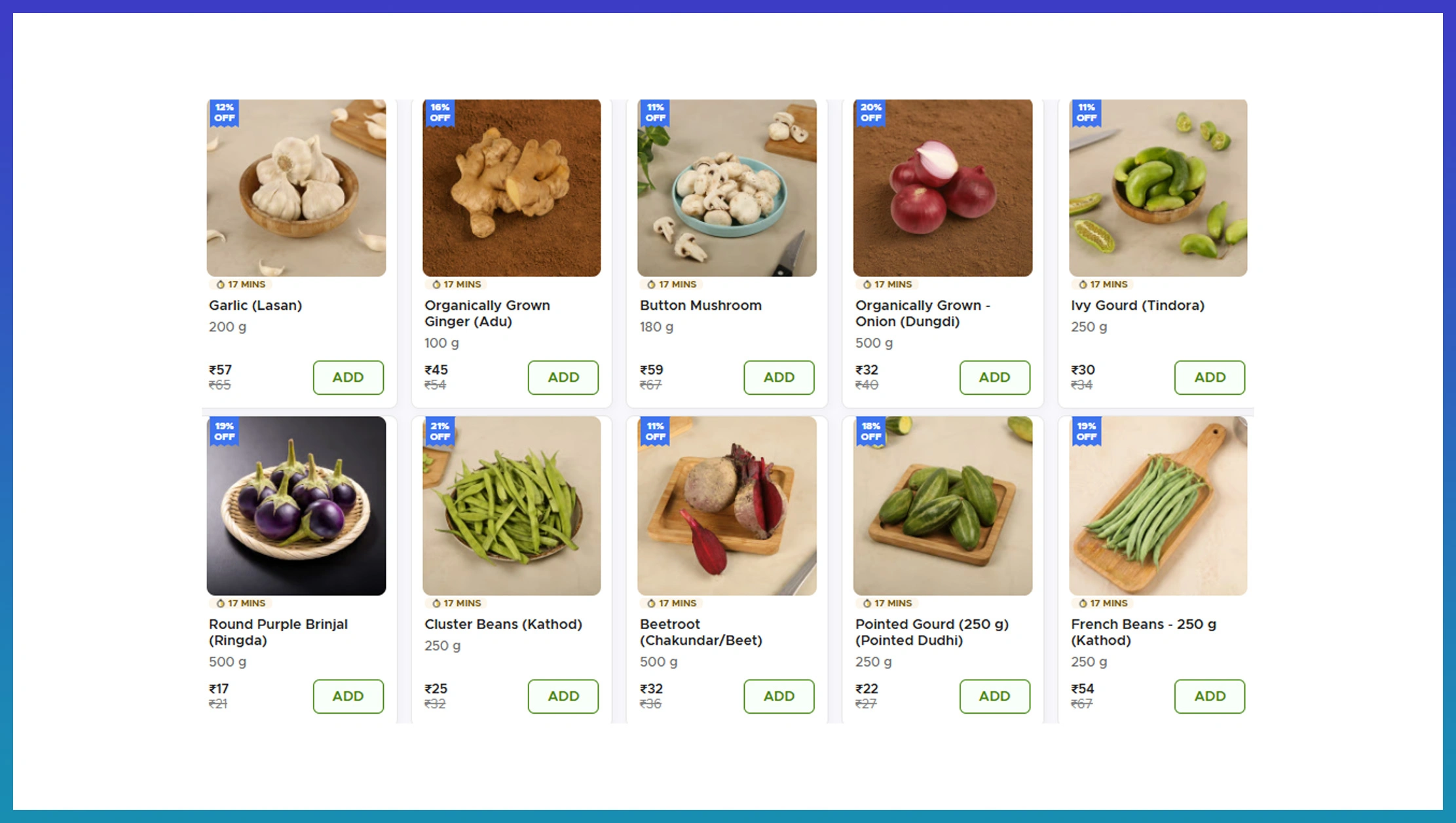
Price differences between regions can develop when retailers apply varied discount structures, suppliers adjust costs, or competitors introduce location-specific offers. These changes are often difficult to identify when businesses depend on periodic reports or manual store checks.
A structured monitoring process helps compare identical SKUs across supermarkets, grocery apps, and online marketplaces. It enables teams to identify whether a product is priced too high in one city, discounted heavily in another, or affected by a competitor-led campaign.
By applying FMCG Products Across Regions Using Web Scraping within routine market monitoring, businesses can collect product names, pack sizes, listed prices, discounted values, stock status, promotional labels, and seller information from different regional sources.
| Pricing Factor | Regional Impact | Business Response |
|---|---|---|
| Competitor discounts | Reduces local product appeal | Review pricing and promotion plans |
| Delivery platform offers | Changes final consumer cost | Compare platform-level price differences |
| Seasonal demand | Raises category demand in select markets | Adjust regional promotional timing |
| Supplier cost variation | Impacts gross margin | Recalculate regional price thresholds |
| Stock availability | Creates temporary price pressure | Monitor substitutes and competitor inventory |
Well-organized Grocery Datasets help analysts review historical movements and recognize recurring local patterns. Teams can compare monthly changes, assess promotional cycles, and determine whether competitors are using temporary offers or long-term low-price strategies.
Turning Market Signals Into Smarter Commercial Pricing Decisions
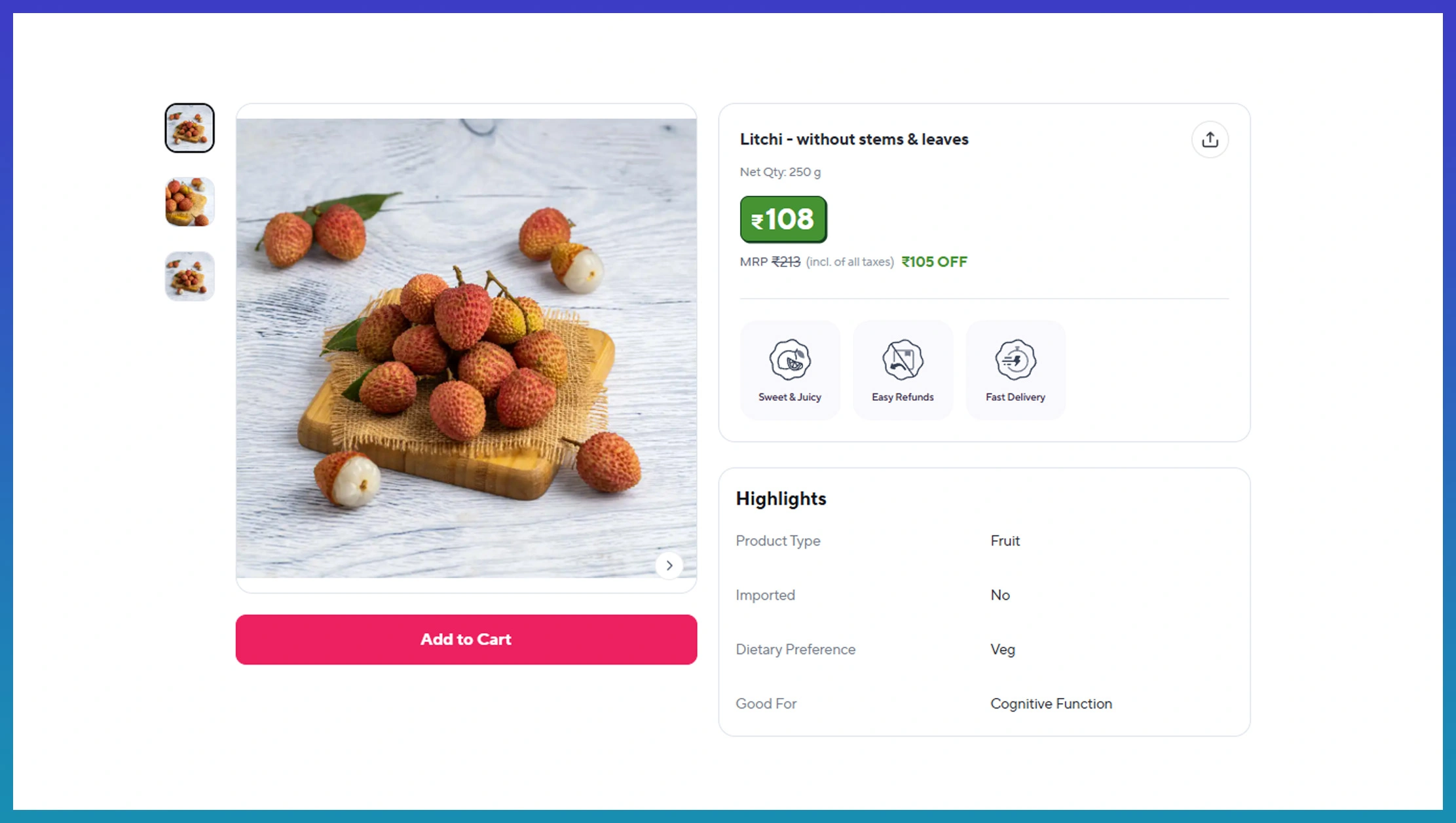
Businesses must evaluate how competitor offers relate to pack size, promotional value, product availability, delivery charges, and brand positioning. A lower listed amount may not represent a stronger customer offer if the item is unavailable, restricted to a limited quantity, or includes higher final delivery costs.
A retailer may reduce the price of a shampoo bottle in one market to increase app orders while maintaining standard pricing elsewhere. Without local visibility, brands may interpret this as a nationwide shift and reduce prices unnecessarily across all locations, creating avoidable pressure on margins.
Through Regional Grocery Price Analysis Using Web Scraping, companies can organize structured information from multiple retail channels and locations. This makes it easier to identify which markets need an immediate response and which locations can maintain their existing pricing strategy.
| Data Point | Competitive Value | Pricing Benefit |
|---|---|---|
| Current selling price | Shows market position | Supports price comparison |
| Discount percentage | Identifies promotion intensity | Helps evaluate offer competitiveness |
| Pack size | Ensures accurate SKU comparison | Prevents misleading price comparisons |
| Product availability | Highlights supply-related changes | Improves response timing |
| Promotion label | Reveals campaign activity | Supports campaign planning |
| Delivery fee impact | Shows final purchase cost | Improves customer-value analysis |
Retail customers frequently respond to promotions and perceived value, especially for daily-use products such as snacks, cleaning items, dairy goods, and personal care essentials. With Price Intelligence Services integrated into regular workflows, teams can receive timely alerts about competitor discounts, stock changes, and promotional launches.
Managing Promotions And Supply Shifts With Greater Speed
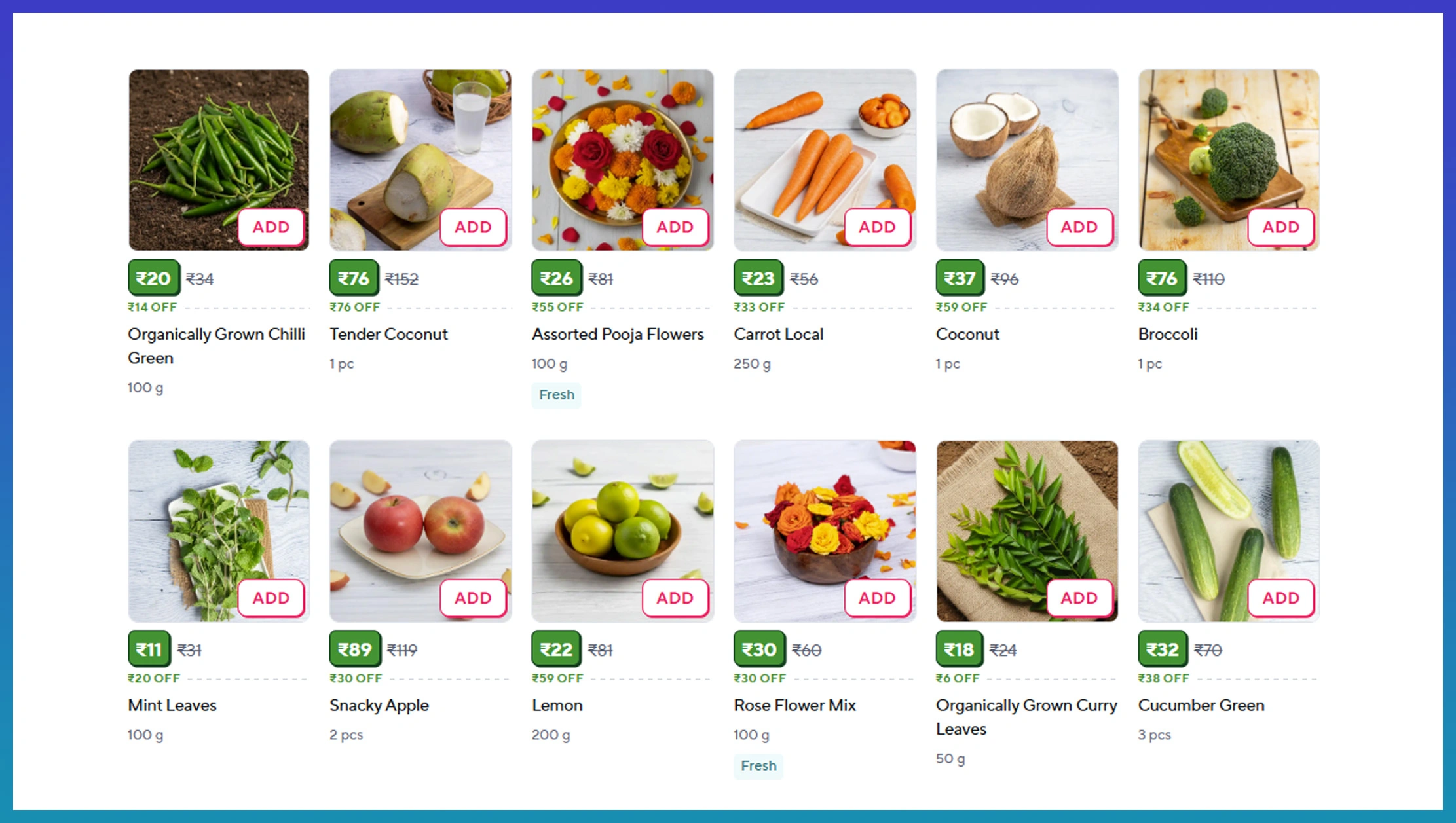
Promotional campaigns, inventory shortages, seasonal demand, and delivery incentives can create significant pricing changes across FMCG markets. A competitor may introduce a limited-time offer, bundle products, provide free delivery, or reduce the price of a high-demand item for a short period.
Fast access to local market information helps teams determine whether a price change is temporary, promotional, or part of a broader competitive shift. For example, a grocery retailer may reduce edible oil prices during a festival period, while another platform offers multi-pack discounts on household cleaning products.
Businesses can use Track Supermarket FMCG Prices Across Regions to monitor product listings, offer details, stock availability, and category-level changes across locations. Regular tracking provides a clearer view of competitor behavior and helps identify regions where promotions are becoming more aggressive or where pricing remains stable.
| Market Event | Possible Price Effect | Recommended Action |
|---|---|---|
| Festival campaign | Temporary category discounts | Monitor offer duration and competitor response |
| Supply shortage | Higher prices or limited availability | Review stock and substitute products |
| Flash sale | Short-term price drop | Assess impact on local conversion |
| New competitor entry | Increased promotional activity | Compare product positioning |
| Delivery-app incentive | Lower effective purchase price | Include final checkout cost in analysis |
At scale, reliable monitoring requires systems that can capture and organize large volumes of product information from multiple websites and applications. By using Enterprise Web Crawling as part of a structured collection process, businesses can refresh data frequently and create reports for pricing, merchandising, and market research teams.
How Web Fusion Data Can Help You?
Businesses need more than scattered product listings to make effective pricing decisions. By monitoring prices, promotions, availability, and product details across locations, teams can build a stronger understanding of Real-Time Price Fluctuations for FMCG Products Across Regions and respond with greater confidence.
Our services include:
- Monitor product prices across multiple cities and retailers
- Compare competitor discounts and promotional campaigns
- Track stock availability for important product categories
- Identify pack-size and value-based pricing differences
- Receive structured data through flexible delivery methods
- Build reports for regional planning and market comparison
With Grocery Product Price Data Extraction for API, businesses can integrate updated pricing information directly into internal systems, analytics tools, and decision-making workflows.
Conclusion
Regional markets rarely respond to pricing changes in the same way. Monitoring Real-Time Price Fluctuations for FMCG Products Across Regions helps businesses recognize these differences early and make pricing decisions that support both competitiveness and margin protection.
With structured data, timely alerts, and clear competitive comparisons, businesses can improve pricing accuracy across grocery categories. Connect with Web Fusion Data today to build a smarter regional pricing strategy and turn changing market signals into measurable business action.