Introduction
Tourism markets in Paris and Barcelona change rapidly as hotel prices, room availability, flight schedules, reviews, and visitor demand fluctuate throughout the year. Real-Time Scrape Hotel and Travel Data in Paris and Barcelona helps businesses monitor these changes continuously and convert current marketplace information into practical tourism intelligence.
Paris recorded an 80.1% average hotel occupancy rate in 2025, while Barcelona welcomed 16 million tourists within the city and 26.1 million across Destination Barcelona. These figures demonstrate the scale and variability of tourism demand, making timely information important for pricing, forecasting, accommodation planning, and destination management.
Combining hotel, flight, vacation rental, and booking information creates a broader market view than isolated datasets. Businesses can also compare these patterns with Travel Data Scraping in UK to understand regional demand differences, traveler preferences, seasonal movements, and changing booking behavior across major European tourism destinations.
Uncovering Dynamic Pricing Signals Across Paris and Barcelona Tourism Markets
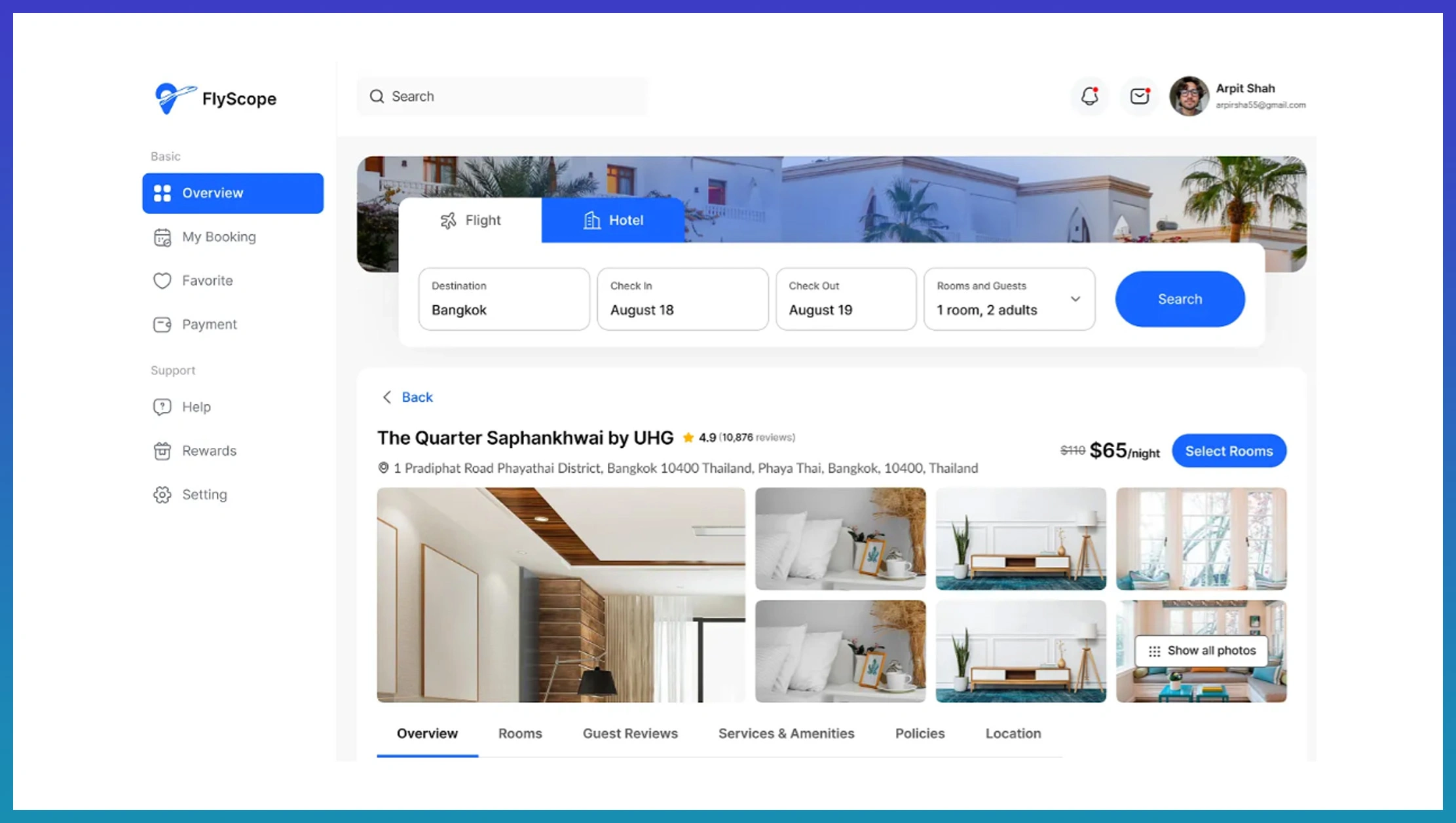
Hotel and travel markets can change quickly because of holidays, conferences, sporting events, concerts, seasonal demand, and unexpected shifts in traveler activity. Real-Time Flight, Hotel & Travel Marketplace Data gives tourism businesses a broader view of changing accommodation rates, flight schedules, room availability, cancellation policies, ratings, and booking conditions across major marketplaces.
Instead of depending entirely on historical reports, analysts can observe current market movements and identify periods when demand is accelerating or slowing. Paris experienced substantial accommodation demand throughout 2025, with hotel occupancy reaching particularly strong levels during several months. Such movements demonstrate why pricing information needs to be monitored consistently rather than reviewed only after a reporting period ends.
Key information that can be monitored includes:
- Hotel room prices across different property categories.
- Room availability across selected travel dates.
- Flight schedules and destination connectivity.
- Cancellation and booking conditions.
- Ratings and traveler-generated reviews.
- Seasonal changes in accommodation demand.
Current information can help businesses compare properties, locations, room categories, and booking conditions while identifying differences between peak and quieter periods.
| Tourism Metric | Paris Example | Barcelona Example |
|---|---|---|
| Annual tourism activity | 37.3M Greater Paris tourists | 26.1M Destination tourists |
| Hotel occupancy indicator | 80.1% annual average | 55.6% in December |
| Booking activity | Strong seasonal variation | Strong destination demand |
| Air travel activity | Significant international traffic | 57.4M airport movements |
When these signals are collected continuously, businesses can identify pricing movements and availability changes before they become outdated. This supports more responsive tourism planning, competitive monitoring, accommodation benchmarking, and market research across both destinations.
Decoding Traveler Booking Patterns Across Paris and Barcelona Accommodation Markets
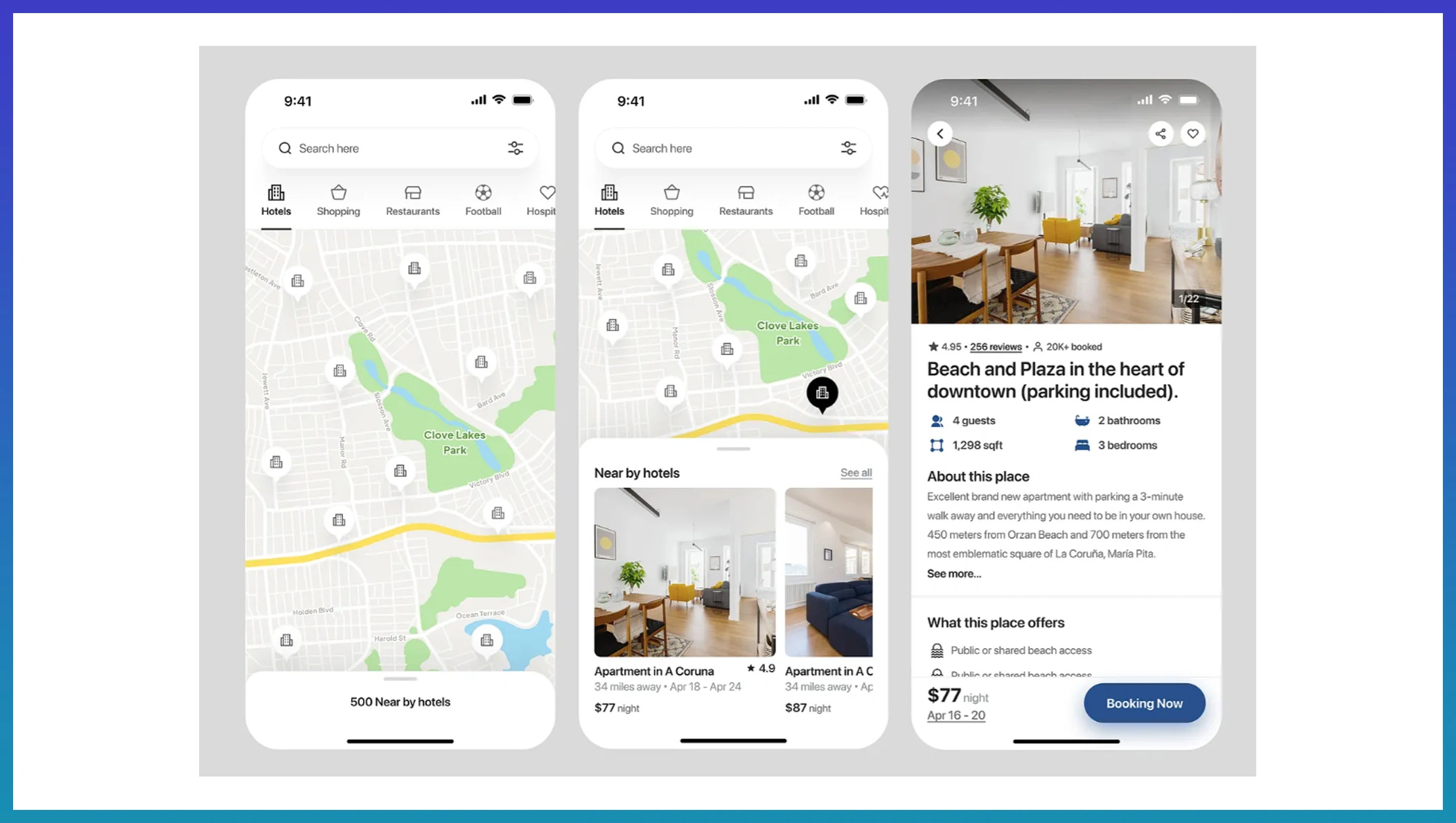
Traveler behavior is influenced by accommodation prices, destination events, flight availability, seasonality, trip duration, and personal preferences. Travel Data Scraping can organize information from relevant travel platforms into structured datasets containing booking dates, room prices, availability, ratings, property categories, locations, and other market attributes. This creates a consistent foundation for comparing traveler activity across Paris and Barcelona.
Barcelona recorded 26.1 million tourists in 2025, while Destination Barcelona generated more than 56 million overnight stays. The destination also reported that 80.3% of visitors arrived by air, demonstrating the importance of understanding connections between transportation activity and accommodation demand. Such information can help analysts study when visitors travel, where they stay, and how long they remain in a destination.
Important indicators for booking analysis include:
- Advance booking periods and reservation windows.
- Accommodation prices across different dates.
- Room and property availability.
- Traveler ratings and review patterns.
- Property categories and neighborhood preferences.
- Seasonal demand fluctuations.
These datasets can provide Hotel and Travel Data in Paris and Barcelona for Tourism Market Insights by connecting booking behavior with pricing, availability, and destination preferences.
| Data Category | Tourism Analysis Application |
|---|---|
| Booking dates | Identify demand windows |
| Room prices | Compare market pricing |
| Reviews | Understand traveler sentiment |
| Availability | Monitor accommodation supply |
| Location | Evaluate destination preferences |
Businesses can examine when travelers reserve accommodation, which property types receive attention, and how demand differs across neighborhoods and travel periods. This makes the resulting information useful for market research, competitive analysis, tourism reporting, and demand forecasting.
Strategic Market Comparisons Reveal New Tourism Planning Across Destinations
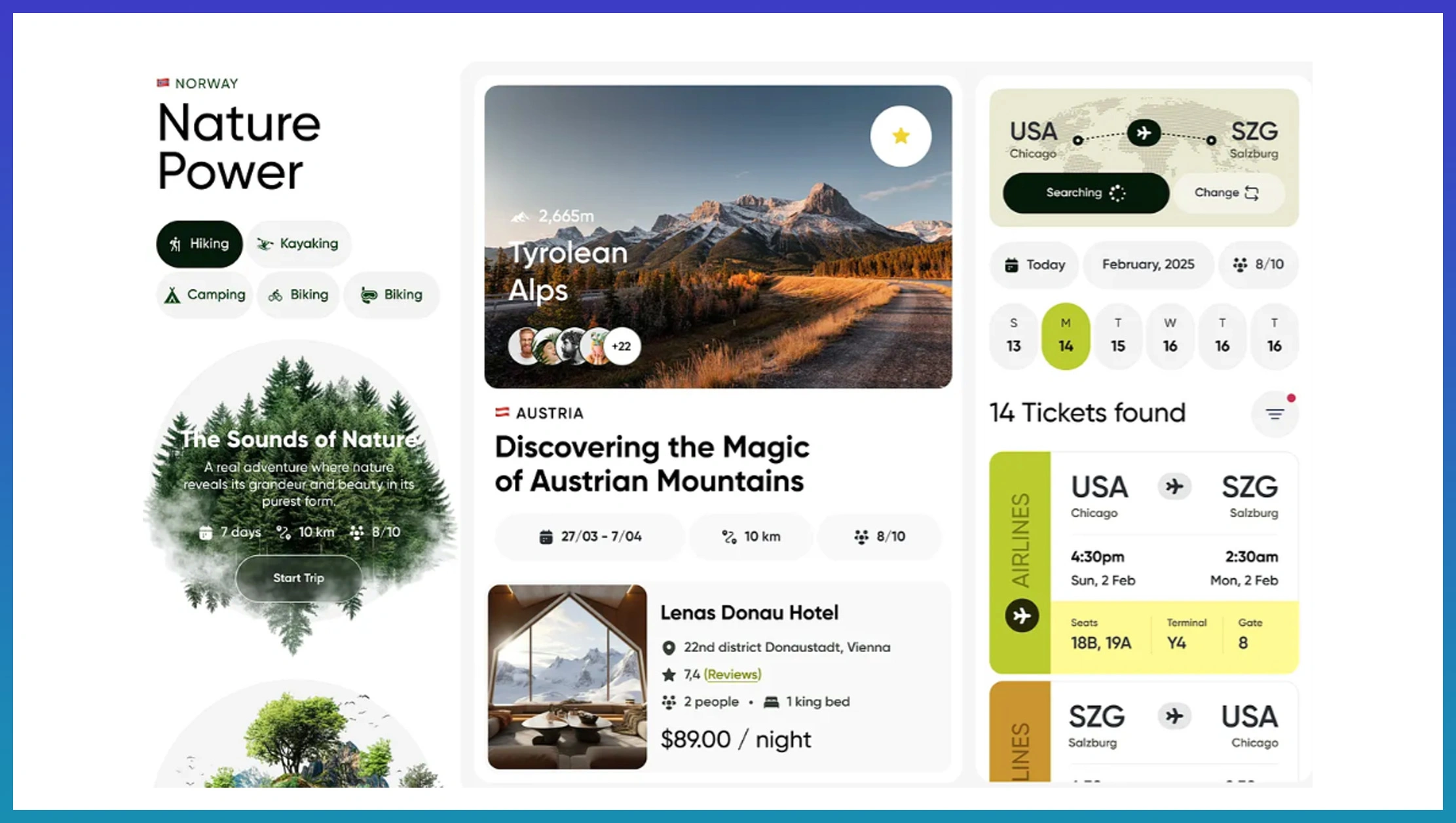
Comparing Paris and Barcelona provides a broader understanding of European tourism activity because each destination attracts visitors with different travel motivations, accommodation preferences, seasonal patterns, and transportation characteristics. Big Data and Advanced Analytics can organize large volumes of accommodation, flight, review, pricing, and booking information into consistent indicators, allowing analysts to identify similarities and differences across both tourism markets.
Paris recorded 37.3 million tourists across Greater Paris during 2025, while Destination Barcelona recorded 26.1 million tourists. Barcelona also reported more than 57.4 million airport passenger movements, demonstrating the scale of transportation activity associated with the destination. Comparing such indicators with accommodation availability, booking activity, and pricing can provide a more complete view of destination performance.
Useful comparison areas include:
- Visitor volumes across comparable periods.
- Accommodation demand by property category.
- Hotel pricing across different seasons.
- Flight and airport activity.
- Traveler reviews and ratings.
- Neighborhood-level tourism activity.
The resulting datasets support Paris and Barcelona for Tourism Market Insights Using Web Scraping, allowing businesses to apply a consistent framework when examining accommodation demand, pricing, transportation activity, and traveler preferences.
| Comparative Factor | Paris | Barcelona |
|---|---|---|
| 2025 tourist volume | 37.3M Greater Paris | 26.1M Destination |
| Hotel occupancy indicator | 80.1% annual Paris | 55.6% December city hotels |
| Average stay indicator | Market dependent | 4.5 nights citywide |
| Major arrival pattern | Strong air connectivity | 80.3% arrived by air |
At the same time, Travel Behavior Analysis via Data Scraping in Paris & Barcelona can help identify differences in booking windows, accommodation choices, trip durations, and visitor activity. These comparisons can support destination planning, market reporting, forecasting, and competitive research.
How Web Fusion Data Can Help You?
Tourism businesses need timely information to respond to changing prices, availability, demand, and traveler preferences. Real-Time Scrape Hotel and Travel Data in Paris and Barcelona can consolidate information from multiple travel sources into structured datasets, helping analysts monitor market movements without depending solely on periodic reports or manually collected information.
The data can support practical activities such as:
- Monitor hotel and accommodation price movements across destinations.
- Track room and property availability across booking platforms.
- Compare flight schedules and travel marketplace information.
- Identify seasonal demand changes and destination-level patterns.
- Analyze ratings, reviews, and traveler feedback at scale.
- Build structured datasets for reporting, forecasting, and market comparison.
With centralized information, tourism companies can examine relationships between pricing, availability, travel dates, and accommodation choices. Extract Vacation Rental and Booking Data for Tourism Insights can further expand this analysis by incorporating alternative accommodation and reservation information.
These datasets can support dashboards, market reports, competitive monitoring, pricing research, and tourism planning while creating a consistent foundation for studying Paris and Barcelona.
Conclusion
Accurate tourism analysis depends on information that reflects current market conditions rather than outdated snapshots. Real-Time Scrape Hotel and Travel Data in Paris and Barcelona brings hotel pricing, availability, booking information, travel activity, and visitor signals together for structured analysis. This approach can help businesses monitor destination changes and build more responsive tourism intelligence.
When accommodation and travel information is combined, analysts can compare demand movements, seasonal patterns, traveler preferences, and marketplace conditions more effectively. Hotel and Travel Data in Paris and Barcelona for Tourism Market Insights can support research, competitive monitoring, pricing analysis, and strategic planning. Contact Web Fusion Data today to discuss reliable hotel and travel data collection for your tourism analytics requirements.