Introduction
Real estate projects can change quickly as construction progresses, prices shift, and new phases enter the market. Builders, investors, analysts, and property platforms need timely project information to understand these changes. Structured web data collection can turn scattered project details into a consistent source for research and monitoring.
Our solution Real-Time Villa and Township Project Tracking Use Web Scraping helps collect project names, locations, configurations, launch information, pricing, amenities, developer details, and status updates at regular intervals. Instead of depending on manual checks, teams can organize changing records and compare projects across locations, phases, and development stages.
With Real Estate Data Scraping Services, businesses can support research workflows with refreshed datasets and standardized fields. This approach gives analysts a clearer view of market movements while reducing repetitive data collection and improving the consistency of property research across multiple villa and township developments.
Tracking Property Project Changes Across Multiple Locations
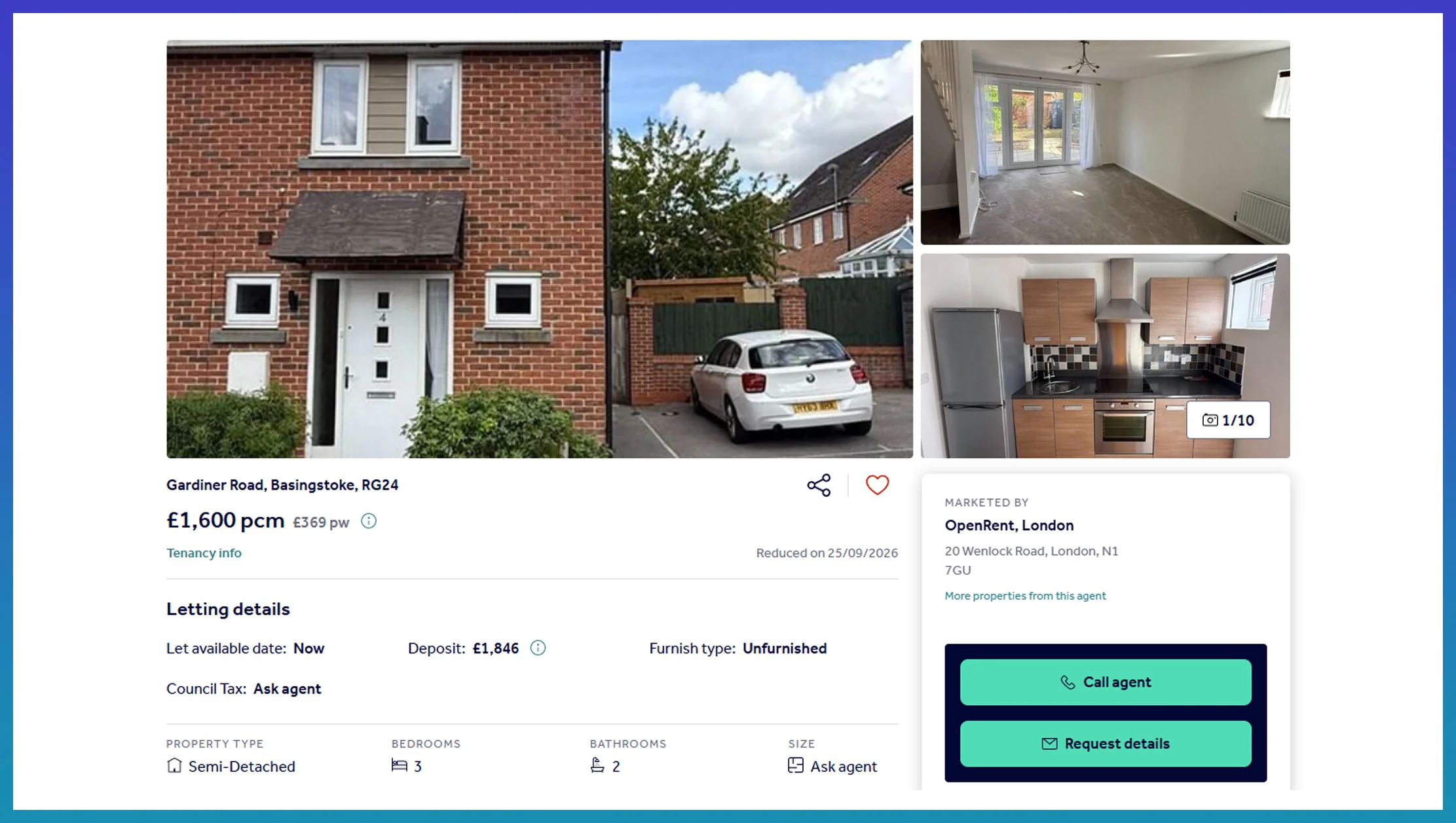
Villa and township developments usually involve several phases, property configurations, construction milestones, and availability changes. Monitoring these details manually across different online sources can consume considerable time and may create inconsistent records. A structured scraping workflow brings project information into organized datasets, allowing businesses to monitor changes more systematically across multiple locations and development stages.
For investors and property researchers, consistent project monitoring can help Maximize Investment Opportunities by making important property attributes easier to compare. Information such as unit configuration, development stage, possession timeline, amenities, developer details, and location can be collected in standardized fields. This reduces repetitive research while making it easier to review project-level differences and maintain historical records.
Key information commonly monitored includes:
- Project and developer details
- Location and locality information
- Property configurations and sizes
- Construction and development stages
- Possession and launch information
A scalable workflow becomes increasingly useful when organizations monitor hundreds of developments simultaneously. For example, tracking 500 projects with 20 attributes can represent approximately 10,000 individual data points during one collection cycle. Repeated collection can create historical snapshots that help teams identify changes in project status, newly listed properties, altered configurations, and other developments over time.
| Project Element | Monitoring Purpose |
|---|---|
| Project Name | Project identification |
| Location | Geographic comparison |
| Property Type | Portfolio segmentation |
| Development Stage | Progress monitoring |
| Possession Details | Timeline tracking |
| Amenities | Feature assessment |
Regular data collection therefore creates a consistent foundation for monitoring residential projects while making large property portfolios easier to review, compare, and maintain.
Monitoring Property Prices Through Frequent Market Updates
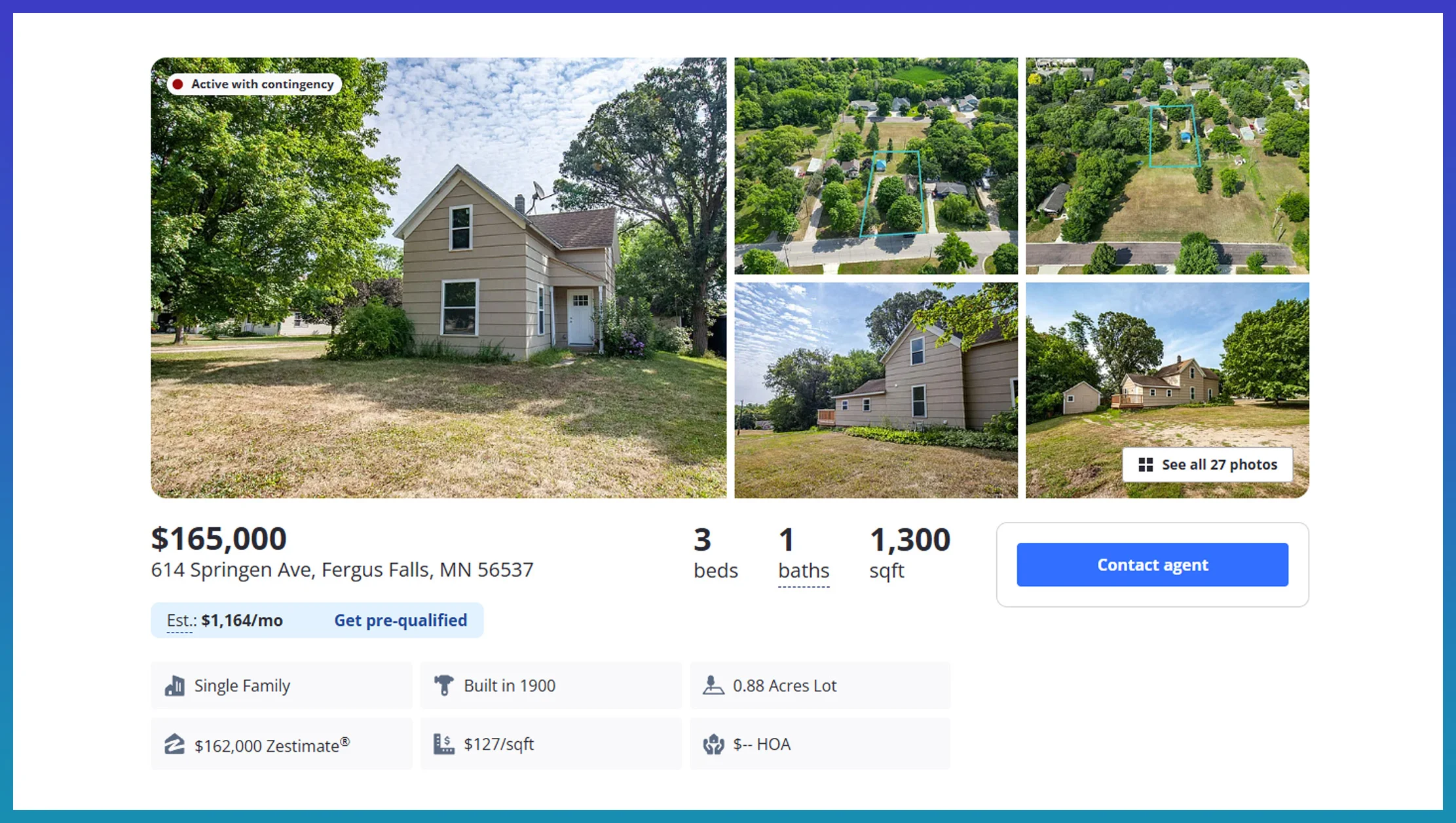
Property prices can change according to location, configuration, development phase, amenities, demand, and availability. A price captured during an earlier research cycle may no longer represent the latest listing information. Frequent data collection allows businesses to maintain updated records and observe how pricing changes across villa and township developments over different periods.
With Residential Property Price Tracking via Scraper, analysts can organize pricing information according to project, locality, property type, size, and configuration. This makes comparisons more consistent and reduces the need to manually inspect individual listings. Historical records can also be retained, helping teams examine previous and current observations when evaluating changing residential pricing patterns.
Important pricing information may include:
- Listed property prices
- Property sizes and configurations
- Availability information
- Project phases
- Locality-level comparisons
Regular monitoring becomes particularly valuable when working across hundreds of projects. For example, collecting pricing and availability information from 300 developments every week could create more than 15,000 project-level observations over a year. Such datasets can support price benchmarking, availability monitoring, phase-wise comparisons, and recurring market reports without depending entirely on manual research.
| Pricing Factor | Analytical Purpose |
|---|---|
| Listed Price | Price benchmarking |
| Property Size | Rate comparison |
| Configuration | Segment comparison |
| Availability | Supply monitoring |
| Project Phase | Phase-wise analysis |
| Location | Local market comparison |
Consistent collection of Real-Time Property, Price & Market Data helps maintain more relevant datasets for teams studying changing property conditions and comparing developments across locations, configurations, and project phases.
Creating Structured Datasets For Long-Term Project Analysis

Long-term property monitoring requires more than capturing current listings. Historical information can show how prices, availability, amenities, construction stages, and project details have changed over time. Repeated web data collection helps businesses preserve these observations and organize them into structured datasets that can support deeper analysis across different projects and locations.
Using Villa and Township Projects Scrape for Data Insights, organizations can maintain historical records covering different development stages and market periods. These datasets can be reviewed alongside Big Data and Advanced Analytics to identify recurring patterns across large property portfolios. Analysts can compare locations, project phases, pricing movements, availability changes, and property characteristics through consistent historical records.
Long-term datasets can support activities such as:
- Historical project comparison
- Price movement analysis
- Development-stage monitoring
- Geographic market research
- Availability trend analysis
For example, a portfolio containing 1,000 projects with 15 tracked attributes represents approximately 15,000 data fields during a single collection cycle. Monthly collection can produce a substantial historical dataset over a year, giving research teams more information for trend analysis, reporting, benchmarking, and portfolio monitoring without repeatedly starting the research process from scratch.
| Dataset Component | Long-Term Application |
|---|---|
| Historical Prices | Movement analysis |
| Availability Records | Supply monitoring |
| Project Status | Progress tracking |
| Location Details | Geographic analysis |
| Amenities | Feature comparison |
| Property Attributes | Segment analysis |
Maintaining these structured records creates a stronger foundation for recurring research. It also makes it easier for businesses to evaluate historical changes, prepare reports, and integrate property information into broader analytical workflows as their monitoring requirements expand.
How Web Fusion Data Can Help You?
Real estate businesses need dependable datasets to monitor property projects without spending excessive time collecting information manually. Real-Time Villa and Township Project Tracking Use Web Scraping can help us structure information from relevant online sources according to specific project monitoring requirements and business objectives.
We can support property monitoring workflows by collecting and standardizing fields such as:
- Project names and developer information
- Property locations and locality details
- Villa and township configurations
- Listed prices and property sizes
- Construction and project status
- Amenities and available facilities
These structured datasets can be prepared for analysis, reporting, dashboards, research systems, and internal property monitoring workflows. Historical collection can also help businesses compare information across different periods and identify changes in project attributes, pricing, availability, and development stages.
For organizations managing multiple developments, Villa and Township Project Data Can Automate Property Analytics by providing consistently structured information for recurring analytical workflows. We can customize collection frequency, data fields, and output formats according to the requirements of property researchers, investors, real estate platforms, and analytics teams.
Conclusion
Real estate teams need organized information to monitor developments as project details, prices, availability, and construction stages change. Real-Time Villa and Township Project Tracking Use Web Scraping can create structured datasets that support recurring property research, project comparison, and historical monitoring across multiple locations.
Consistent data collection can make large property datasets easier to manage and analyze, particularly when businesses track numerous developments over extended periods. Villa and Township Project Data Extraction for Real Estate Intelligence can support clearer reporting and structured market research by keeping important project information organized and comparable.
Contact Web Fusion Data today to build a customized villa and township project tracking solution for your real estate data requirements.