Introduction
Restaurant businesses operate in competitive environments where food preferences, menu prices, and dining habits change frequently. Monitoring these changes across international markets helps restaurant owners understand customer expectations and identify emerging opportunities. Comparing restaurant menus across different countries also provides useful information for planning seasonal offerings, adjusting prices, and improving menu selections.
The extracted information can include dish names, ingredient descriptions, prices, portion sizes, dietary labels, customer ratings, and product availability. Restaurant Menu Data Extraction Across 16 Global Markets enables businesses to collect structured information from restaurant websites, online ordering platforms, and food delivery applications. Organizing these details into consistent formats simplifies comparisons between restaurants, cuisines, and geographical locations.
Using Restaurant Data Intelligence, restaurant operators can evaluate competitive positioning and identify changes in consumer demand across multiple regions. For example, increasing demand for plant-based meals, regional specialties, or affordable meal combinations may indicate opportunities for menu development. Consistent data collection enables businesses to make informed decisions based on observable market patterns rather than relying exclusively on assumptions or limited local research.
Understanding International Dining Preferences Through Structured Menu Research
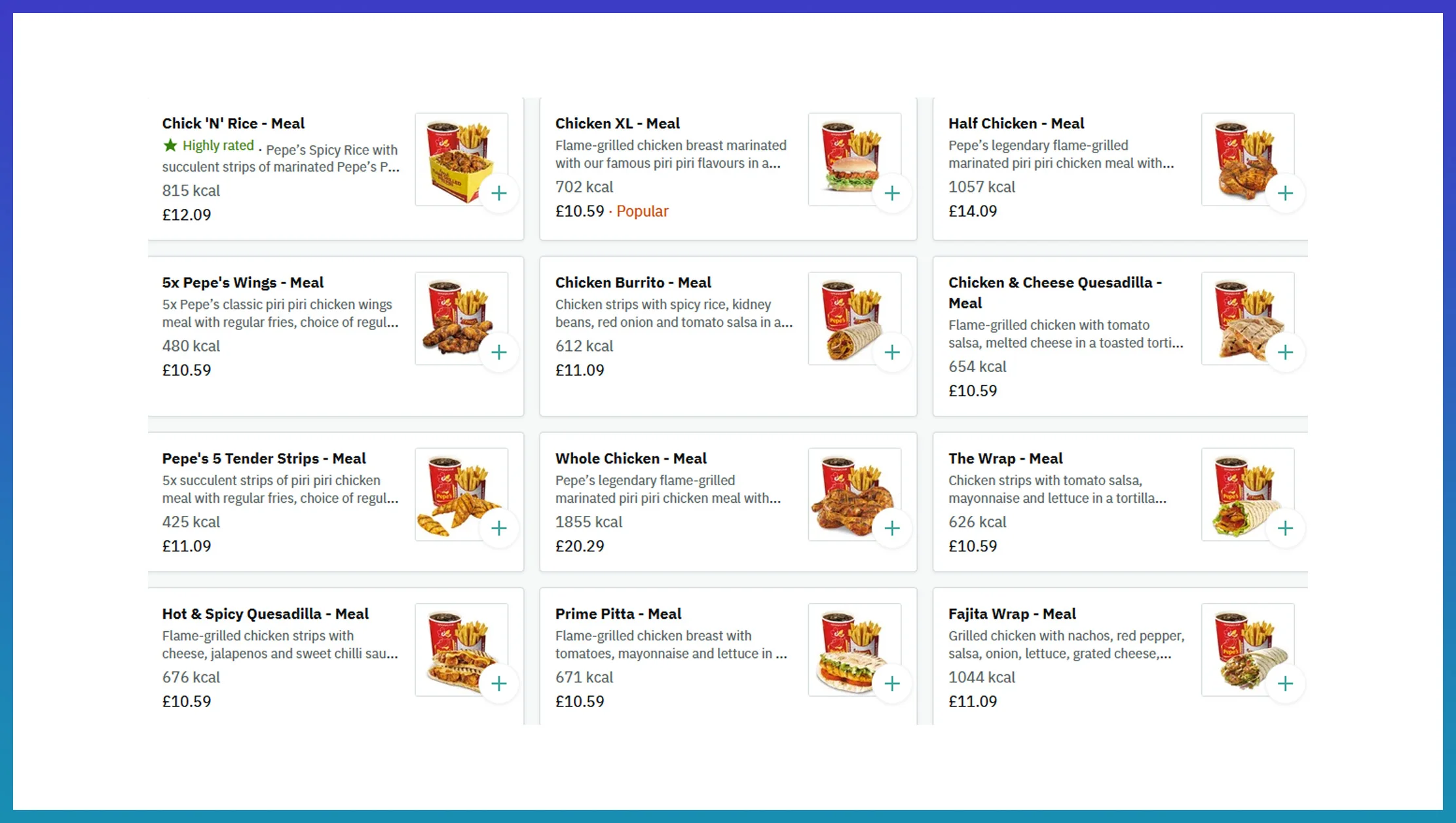
Restaurant menus provide useful signals about changing food preferences, popular ingredients, and regional dining habits. Comparing menu offerings across 16 markets helps businesses identify frequently listed dishes, expanding cuisines, and dietary preferences influencing product development. Structured research also highlights differences between local specialties and internationally popular food categories, helping restaurant operators evaluate opportunities in different regions.
By combining menu information with Big Data and Advanced Analytics, restaurant operators can group dishes by cuisine, ingredient, dietary category, and price range. These comparisons support seasonal planning, product development, and market entry decisions. Businesses can examine how plant-based meals, high-protein dishes, and value-oriented combinations appear across different regions. Historical observations also help distinguish temporary menu changes from sustained shifts in food preferences.
International menu research delivers better insights when restaurants assess multiple indicators together. Global Restaurant Menu Database Creation Through Web Scraping helps identify recurring ingredients across restaurant brands and highlight emerging culinary trends. However, menu frequency alone does not establish actual customer demand, so businesses should validate findings using sales figures, customer reviews, and other reliable market evidence.
Restaurants can organize their research around the following indicators:
- Cuisine distribution: Compare the representation of regional and international dishes.
- Dietary preferences: Track vegetarian, vegan, and other dietary categories.
- Ingredient popularity: Identify recurring ingredients across restaurant menus.
- Seasonal offerings: Monitor limited-time dishes and seasonal menu revisions.
- Meal configurations: Compare individual dishes, combos, and family-sized portions.
| Research Metric | Illustrative Observation | Business Application |
|---|---|---|
| Cuisine popularity | Differences in dish listings | Adapt menus to local preferences |
| Dietary categories | Variation in available meal types | Improve menu variety |
| Ingredient trends | Repeated ingredient appearances | Plan product development |
| Seasonal dishes | Changes across collection periods | Schedule seasonal offerings |
| Meal combinations | Differences in bundled selections | Refine meal configurations |
Evaluating Menu Pricing Patterns Across Multiple Restaurant Markets
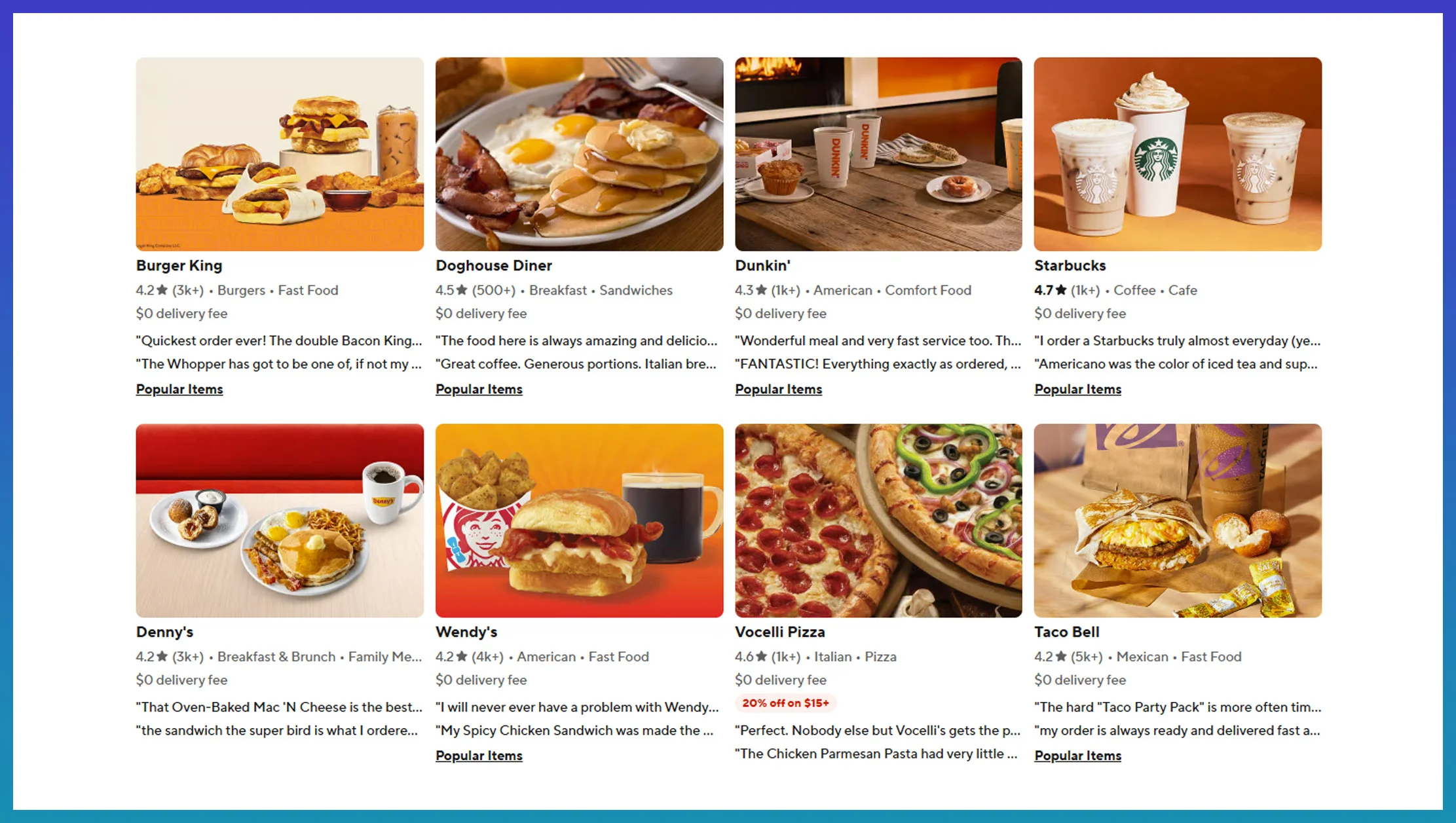
Restaurant pricing depends on ingredient expenses, local competition, customer purchasing power, and operating costs. Comparing menu prices across countries provides a broader understanding of how restaurants position their offerings. However, international comparisons should account for currency conversion, portion sizes, taxes, delivery charges, and regional purchasing power to avoid misleading conclusions. Standardized records help businesses compare similar dishes and identify meaningful differences between restaurant categories.
Restaurants can incorporate Dynamic Pricing Services into their broader pricing research by examining collected menu information alongside internal business rules and market conditions. Regular observations help identify price adjustments, discounted combinations, premium product positioning, and differences between dine-in and delivery menus. These insights can guide pricing reviews without requiring restaurants to copy competitors or make frequent changes that confuse customers.
Effective pricing analysis involves tracking price changes, comparing similar serving sizes, and separating regular prices from temporary promotions. Restaurant Menu Monitoring Across International Food Delivery Platforms helps identify whether price differences result from regional costs, competitive strategies, or short-term offers. Consistent collection schedules also make it easier to evaluate pricing patterns across multiple locations and restaurant brands.
Restaurant teams can evaluate pricing performance through the following measures:
- Price positioning: Compare similar dishes across competing establishments.
- Promotional activity: Record discounts, meal deals, and special offers.
- Currency adjustments: Convert prices using consistent exchange-rate references.
- Portion comparisons: Account for serving sizes when evaluating equivalent products.
- Historical changes: Track increases, decreases, and recurring price revisions.
| Pricing Indicator | Illustrative Measurement | Potential Application |
|---|---|---|
| Average dish price | Mean price within a category | Assess market positioning |
| Price variation | Difference between minimum and maximum | Identify pricing opportunities |
| Promotional discounts | Reduction from the standard listed price | Review promotional strategies |
| Currency-adjusted pricing | Converted values using consistent rates | Compare international markets |
| Menu price changes | Differences between collection periods | Track competitive movements |
Identifying Emerging Food Trends Through Continuous Menu Monitoring
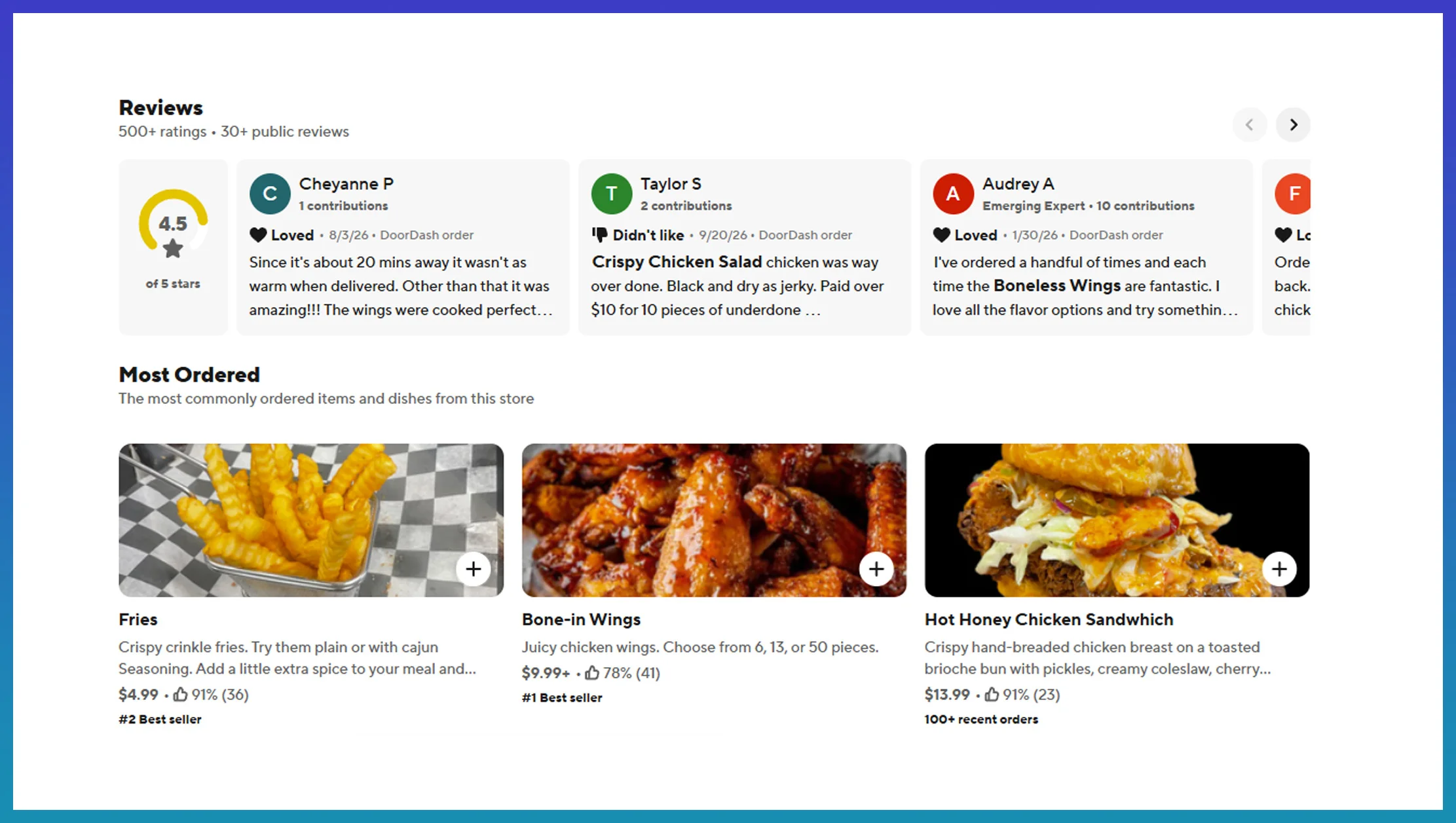
Food trends often appear through changes in ingredient combinations, dietary labels, meal formats, and limited-time offerings. Monitoring menus regularly helps restaurants identify these developments before making substantial changes to their product ranges. Comparisons across countries can also reveal whether a trend remains concentrated in one region or appears across several international markets. This information supports menu planning and helps teams evaluate potential opportunities before committing resources to new products.
Reliable Web Scraping Solutions can collect publicly accessible menu information from selected restaurant websites and online ordering platforms. After extraction, records can be standardized, categorized, and checked for duplicates or missing values. This process makes it easier to track new dishes, discontinued products, ingredient changes, and menu availability over time. Collection frequency can be adjusted according to how quickly the selected platforms update their listings and how often the business needs refreshed information.
Trend identification becomes more effective when businesses distinguish between repeated observations and isolated changes. A newly introduced dish may reflect a temporary promotion rather than a lasting shift in customer preferences. By reviewing menu records across multiple periods and regions, restaurant teams can assess whether specific ingredients, dietary options, or international cuisines are appearing more frequently. Customer feedback, sales performance, and regional research can then help validate the observed patterns.
Restaurant operators can monitor several indicators to support trend analysis:
- Plant-based options: Track vegan dishes and ingredient descriptions.
- Premium offerings: Compare specialty ingredients and higher-priced menu items.
- International cuisines: Monitor dishes associated with different culinary traditions.
- Health-oriented choices: Review dietary labels and nutrition descriptions.
- Limited-time promotions: Record temporary products and availability periods.
| Trend Indicator | Data to Monitor | Strategic Use |
|---|---|---|
| Plant-based options | Vegan dishes and ingredient labels | Plan alternative menu items |
| Premium food offerings | Specialty ingredients and listed prices | Assess premium positioning |
| Global cuisine adoption | Dishes linked to international cuisines | Evaluate menu diversification |
| Health-oriented choices | Dietary descriptions and labels | Improve menu variety |
| Limited-time promotions | Temporary products and availability dates | Plan seasonal campaigns |
How Web Fusion Data Can Help You?
Restaurant operators need dependable market information to understand competitive changes across international dining markets. Through Restaurant Menu Data Extraction Across 16 Global Markets, organizations can compare restaurant offerings, evaluate competitive positioning, and identify potential opportunities for menu planning, pricing reviews, and expansion strategies.
Key ways we can support restaurant research include:
- Collecting publicly available menu information from relevant online sources.
- Standardizing dish names, prices, ingredients, and category labels.
- Comparing menu structures across countries and restaurant brands.
- Tracking price revisions, promotional offers, and product availability.
- Identifying recurring food trends and emerging cuisine preferences.
- Delivering organized datasets for reporting, analysis, and business planning.
These capabilities help teams reduce repetitive manual research and establish consistent monitoring processes. Data can be prepared in suitable formats for further analysis, depending on project requirements and source availability.
With Global Restaurant Menu Data Insights Services, businesses can strengthen competitive research, assess market differences, and prioritize opportunities using organized information. Collection scope, refresh frequency, and available fields can be tailored to selected platforms, subject to access restrictions and applicable requirements.
Conclusion
Restaurant businesses can make more informed decisions when they understand how menu prices, food preferences, and product availability differ across international markets. Restaurant Menu Data Extraction Across 16 Global Markets provides a structured approach to comparing restaurant offerings, identifying emerging trends, and evaluating competitive positioning across 16 markets.
With Multi-Country Restaurant Menu Data Collection, businesses can build a consistent foundation for evaluating market developments and refining restaurant strategies. We help organizations turn publicly available menu information into structured datasets suited to their research needs. Contact Web Fusion Data today to discuss your restaurant menu data requirements and build a tailored data collection solution for your business.