
Introduction
Modern travelers expect instant, end-to-end routing solutions that combine flights, trains, buses, ferries, and driving directions into a seamless itinerary. Navigating global transit networks manually creates friction, leading to abandoned bookings and fragmented travel planning. Integrating comprehensive multimodal data streams solves this problem by delivering complete journey visibility on a single platform.
To meet these rising user expectations, developers depend on robust data integrations that aggregate transit schedules and fares across thousands of providers globally. Incorporating the Rome2Rio Travel Data API allows platforms to surface real-time routes, duration estimates, and cost structures effortlessly. This single integration transforms raw transportation metrics into clear, actionable travel options.
By analyzing multi-modal data points, travel platforms can optimize recommendations and boost user retention. Understanding how to Extract Travel Route Data Using the Rome2Rio API equips online agencies and technology builders with the exact insights required to power modern, dynamic booking experiences.
Analysis of Multimodal Transport Networks and Complete System Integration

Modern transportation networks involve complex connections across regional buses, national railways, international flights, and local maritime ferries. Travelers often face significant confusion when trying to map out multi-leg journeys manually across separate operator websites. By bringing these disparate travel modes into a unified digital ecosystem, platforms remove planning friction and present intuitive travel choices to their end users.
Engineers building modern mobility platforms rely heavily on a Rome2Rio Route Comparison API to unify disparate transit parameters into standardized, easy-to-read JSON structures. This level of data standardization makes it simple for application developers to compare multi-step journeys side by side. As a result, users receive instant visibility into total transfer steps, carrier types, and full path options without leaving the platform.
| Transport Mode | Coverage Scope | Data Update Frequency | Multi-Hop Support |
|---|---|---|---|
| Commercial Air | Global | Real-Time | Yes (Flight + Rail) |
| Regional Rail | Continent / National | Scheduled / Real-Time | Yes (Rail + Bus) |
| Intercity Bus | Regional | Daily Sync | Yes (Bus + Ferry) |
| Maritime Ferry | Coastal / Island | Seasonal / Scheduled | Yes (Drive + Ferry) |
When local transit operators lack open data endpoints, specialized Travel Data Scraping Services can be used to capture raw timetable information and integrate it directly into broader routing systems. Having access to continuous data feeds ensures that obscure local bus lines and regional shuttles are fully represented in routing calculations. This comprehensive coverage prevents gaps in journey recommendations and delivers true door-to-door navigational clarity.
To maximize the overall value of multimodal integration, travel platforms typically focus on key technical metrics during system architecture design:
- Aggregating global schedules across thousands of independent transport operators.
- Standardizing diverse geographic data formats into unified REST API responses.
- Reducing multi-hop search latency to deliver instant routing responses to end users.
- Presenting alternate connection paths to safeguard against unexpected carrier cancellations.
Comprehensive Evaluation of Dynamic Fares and Pricing Data Mechanics
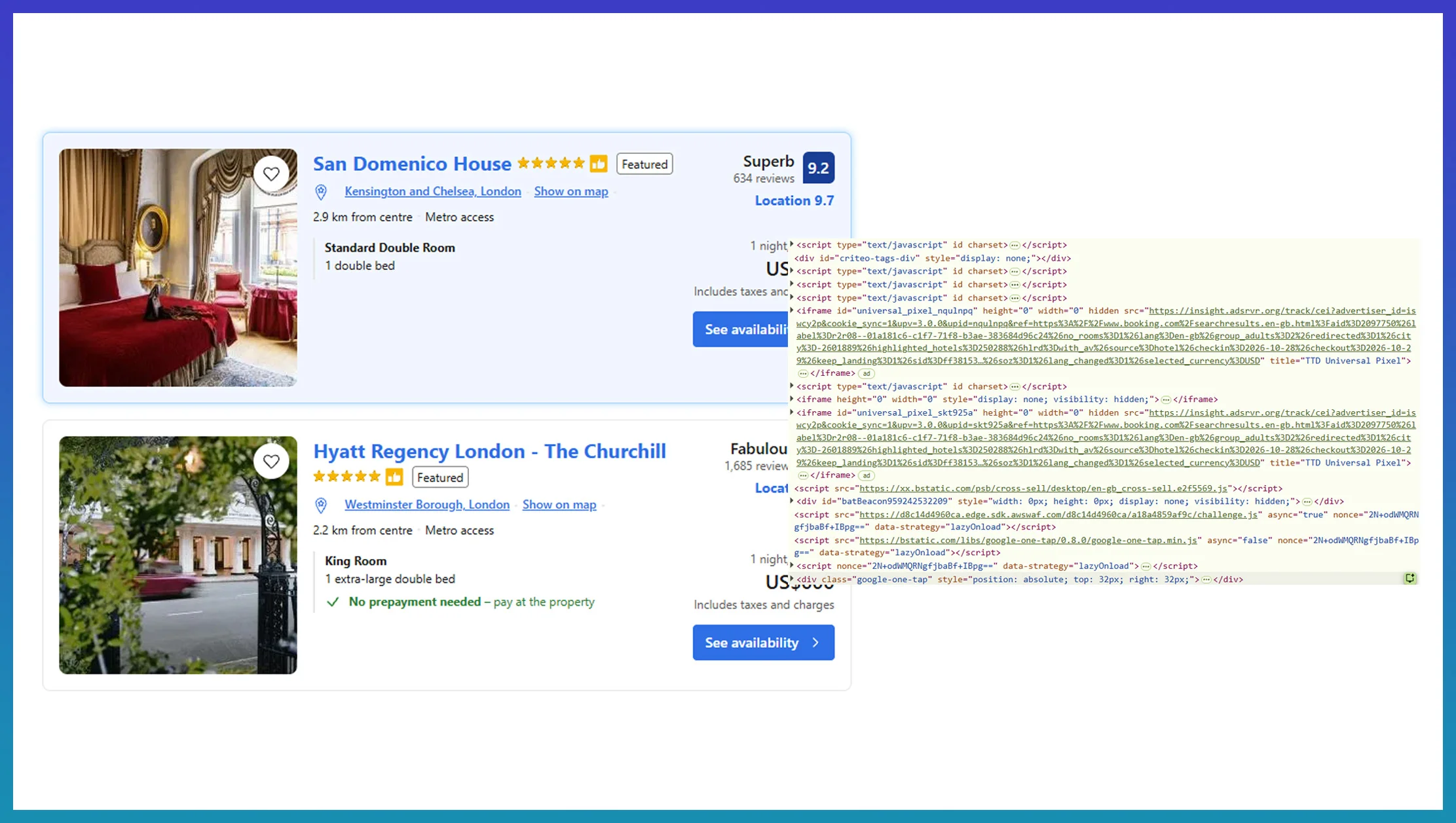
Pricing mechanics across the global transportation industry are inherently dynamic and fluctuate constantly based on demand patterns, seasonal shifts, and seat availability. For travelers, finding the most cost-effective path between two distant cities requires comparing multiple transit modes that use vastly different fee structures. Providing clear price estimates across all available modes builds strong user confidence during booking.
Integrating a high-performance Travel Fare API gives booking applications direct visibility into dynamic pricing metrics for every leg of an itinerary. This real-time visibility allows platforms to display precise base fares, extra baggage fees, and seat selection surcharges within a single interface. Consequently, travelers can compare the financial tradeoffs between high-speed rail, regional flights, and intercity coaches with total clarity.
| Route Complexity | Average Fare Range ($) | Price Variability | Estimated Savings Potential |
|---|---|---|---|
| Direct (Single Mode) | 45 – 120 | Low (±10%) | 5% – 10% |
| Intercity Multi-Hop | 110 – 310 | Moderate (±25%) | 15% – 25% |
| Cross-Border Multimodal | 250 – 750 | High (±45%) | 30% – 40% |
Deploying a flexible Travel API for Booking Platforms enables developers to build custom filter engines that highlight budget-friendly paths alongside premium choices. When users can evaluate costs transparently, conversion rates improve significantly as consumers feel empowered to choose options that match their specific financial budgets. Transparent cost breakdowns remove hidden surprises at final checkout.
Optimizing fare evaluation algorithms generally involves focusing on several core operational capabilities:
- Fetching real-time base fares across international, national, and local transit operators.
- Calculating full trip expenses including transfer costs, luggage fees, and seat upgrades.
- Filtering travel options dynamically by minimum price, maximum comfort, or total duration.
- Generating reliable cost estimates even during peak holiday booking periods.
Detailed Study of Schedule Accuracy and Duration Estimates Optimization

Travel duration is often the most critical factor for passengers evaluating complex travel options. A route that appears short on paper can quickly become delayed if transfer buffers between connecting flights, trains, or buses are calculated incorrectly. Accurate schedule aggregation ensures that connection times are practical, realistic, and stress-free for travelers on the move.
By implementing advanced Web Scraping Services, engineering teams can collect live schedule adjustments from local transport portals that do not offer standard API access. This active data collection feeds real-time delay updates and schedule changes directly into the primary routing engine. Having access to live operational data protects travelers from missed connections caused by unexpected transit delays.
| Transport Combinations | Total Distance (km) | Average Transit Time | Connection Buffer Time |
|---|---|---|---|
| Flight + Express Train | 1,200 | 4 hrs 30 mins | 90 mins |
| High-Speed Rail + Bus | 650 | 5 hrs 15 mins | 30 mins |
| Ferry + Regional Drive | 220 | 3 hrs 45 mins | 45 mins |
Learning How to Use the Rome2Rio API allows platform architects to query total journey times while factoring in required layovers, station transfers, and walking buffers. Understanding the full duration profile of each travel option gives users the exact information needed to select optimal routes. This precision reduces user anxiety and builds long-term brand credibility.
To deliver consistently accurate journey time calculations, systems must optimize key operational processes:
- Accounting for realistic layover buffers during intermodal terminal transfers.
- Updating departure and arrival timetables continuously to catch schedule shifts.
- Calculating total elapsed travel time inclusive of check-in and security windows.
- Presenting reliable secondary routes whenever primary connections experience delays.
How Web Fusion Data Can Help You?
Building a feature-rich platform requires consistent access to structured transport networks, pricing feeds, and transit metadata. Leveraging the Rome2Rio Travel Data API alongside customized extraction pipelines gives travel applications direct access to normalized data from thousands of worldwide operators.
We provide reliable infrastructure to aggregate, clean, and integrate complex travel datasets without interrupting your engineering workflow.
- Customized data collection tailored to unique geographic regions and operator lists.
- Real-time normalization of fares, schedules, route steps, and connection logic.
- High-availability architecture ensures minimal latency for live user queries.
- Automated updates monitoring route adjustments, seasonal changes, and price shifts.
- Seamless integration capabilities designed for web applications and mobile platforms.
- Scalable data delivery pipelines supporting high-volume search queries effortlessly.
Whether you are launching a new travel portal or enhancing an existing engine, we deliver actionable Travel Intelligence to keep your product accurate and responsive. Our end-to-end data solutions eliminate extraction bottlenecks so your development team can focus on building exceptional user experiences.
Conclusion
Building modern travel tools requires reliable access to interconnected transit networks, dynamic fare structures, and precise time estimates. By integrating the Rome2Rio Travel Data API, booking engines and mobility applications can deliver accurate, multi-modal recommendations to users worldwide. Providing transparent cost breakdowns and real-time schedules improves platform credibility while encouraging faster booking decisions.
As consumer preferences shift toward seamless journey planning, access to global Route Comparison Data for Travel Applications becomes a primary competitive advantage. We empower your business with clean, enterprise-grade travel datasets to enhance user engagement. Ready to transform your travel platform's routing capabilities? Contact the team at Web Fusion Data today to scale your travel data pipeline!