Introduction
Food delivery platforms generate extensive information around restaurant menus, prices, availability, promotions, ratings, and estimated delivery times. Businesses can organize these changing signals to understand marketplace behavior and evaluate competitive movements. Food Delivery Data Intelligence helps transform scattered information into structured datasets that support pricing research, demand analysis, and operational planning.
With consistent collection, businesses can compare restaurant offerings, identify price fluctuations, examine delivery estimates, and observe availability changes across locations. Scrape Food Delivery for Menu Pricing Demand & ETA Analytics provides a structured approach for connecting these marketplace signals and identifying meaningful trends that may not be visible through occasional manual observations.
Historical datasets can further support restaurant benchmarking, competitor research, menu monitoring, and demand forecasting. Businesses can study how pricing changes correspond with promotions, availability, delivery conditions, and local marketplace activity. These insights can help teams make data-supported decisions while maintaining a clearer understanding of rapidly changing food delivery environments.
Emerging Marketplace Signals Shape Menu Pricing And Delivery Decisions
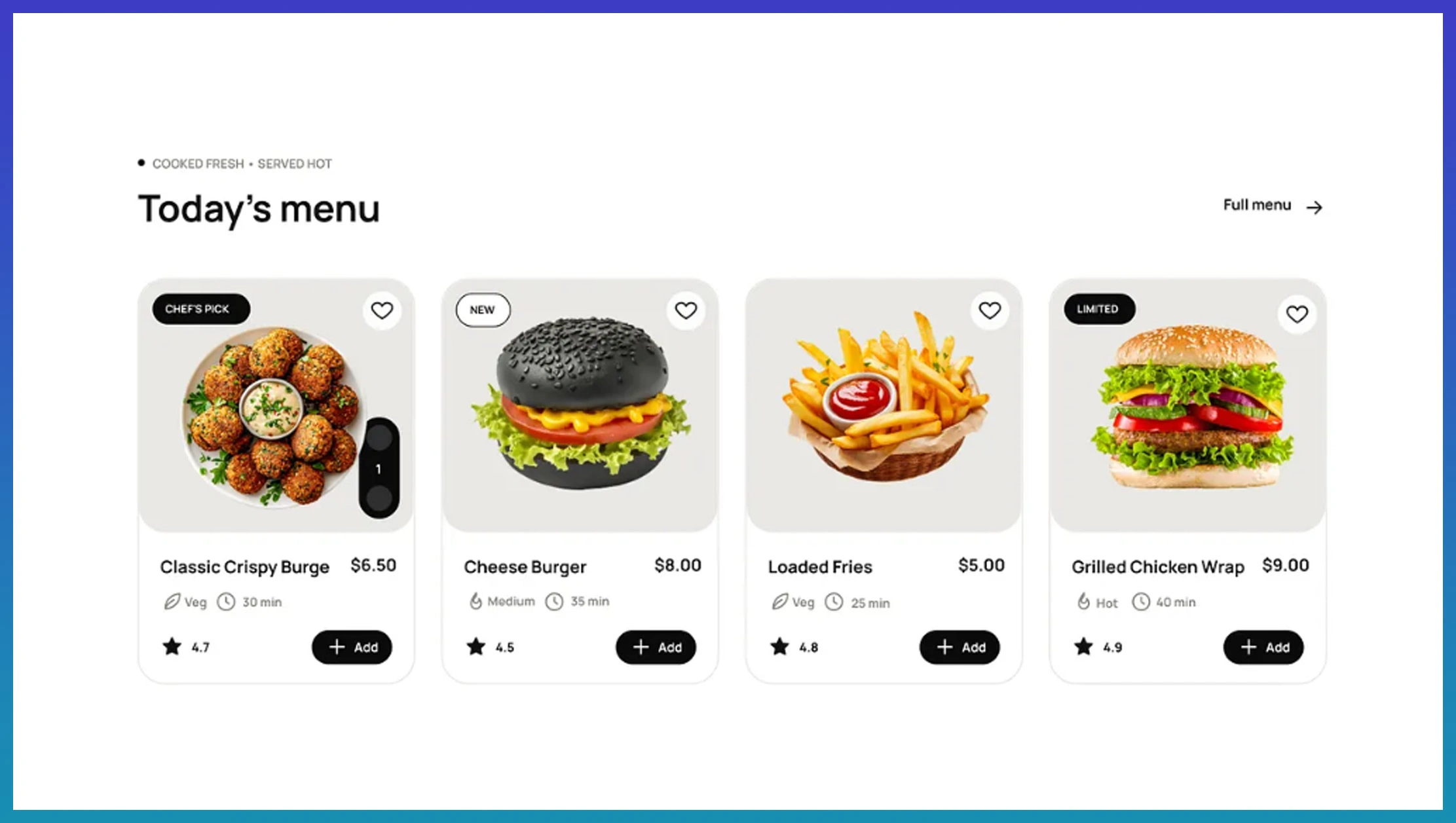
Food delivery marketplaces continuously change their restaurant listings, menu selections, prices, discounts, availability, and estimated delivery times. Regularly collecting these signals gives businesses a broader perspective on how marketplace conditions evolve across restaurants and locations. Scrape Menu Pricing Trends Across Food Delivery Apps can help analysts compare pricing movements and identify recurring changes across different platforms.
A structured dataset can connect menu attributes with delivery conditions and restaurant availability, making it easier to examine relationships between customer-facing prices and operational signals. Businesses can compare similar dishes, cuisine categories, portion options, promotional offers, and delivery charges while observing how these elements vary by location and time period.
Important information can include:
- Restaurant and cuisine information
- Menu names and category details
- Listed prices and promotional offers
- Restaurant availability indicators
- Estimated delivery time information
| Information Type | Analytical Purpose |
|---|---|
| Menu details | Compare restaurant offerings |
| Listed prices | Monitor pricing movement |
| Promotions | Study promotional activity |
| Availability | Observe marketplace presence |
| Delivery estimates | Compare service conditions |
For businesses studying changing delivery environments, Real-Time Restaurant, Menu & Delivery Data can provide a broader foundation for marketplace research. Combining these signals over time helps analysts distinguish temporary price changes from recurring patterns while creating consistent datasets for restaurant benchmarking, pricing research, and operational evaluation.
Competitive Market Patterns Reveal Shifts In Restaurant Pricing Behavior
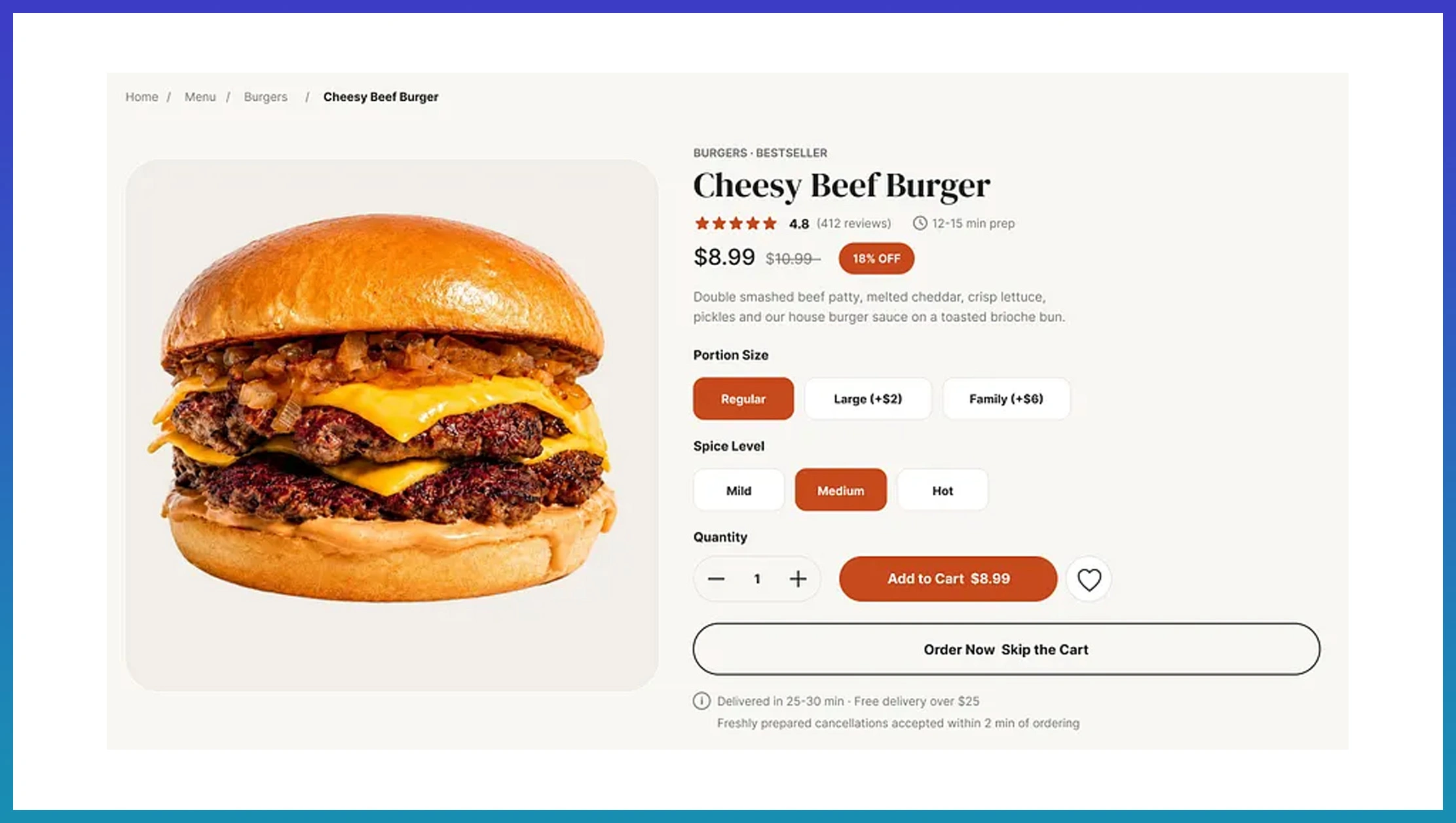
Competitive analysis becomes more meaningful when restaurant information is collected consistently across multiple delivery platforms. Businesses can compare prices, menu structures, promotions, delivery charges, ratings, and estimated arrival times to understand how restaurants position similar offerings. Food Delivery Intelligence for Menu Pricing, Demand Using Web Scraping can connect these different signals and create a more comprehensive marketplace view.
Analyzing comparable restaurants within the same cuisine or location can reveal differences in pricing strategies and promotional behavior. Teams may examine whether restaurants frequently adjust prices, introduce new menu items, remove products, or change discounts during specific periods. These observations can provide useful context for market research and pricing studies without relying on isolated platform snapshots.
Businesses can evaluate:
- Similar restaurant pricing structures
- Cuisine-level menu differences
- Promotional frequency and variations
- Delivery charge differences
- Changes in restaurant availability
| Competitive Indicator | Business Research Use |
|---|---|
| Average listed price | Compare market positioning |
| Menu variety | Assess product breadth |
| Discounts | Examine promotional patterns |
| Delivery charges | Compare customer costs |
| ETA ranges | Review service conditions |
For recurring collection requirements, Web Scraping API Services can support structured access to regularly collected information and simplify integration with analytical workflows. Combining current observations with historical records can help teams identify sustained competitive movements, changing customer-facing conditions, and market-level pricing patterns across selected restaurants and locations.
Demand And ETA Signals Explain Changing Food Delivery Conditions
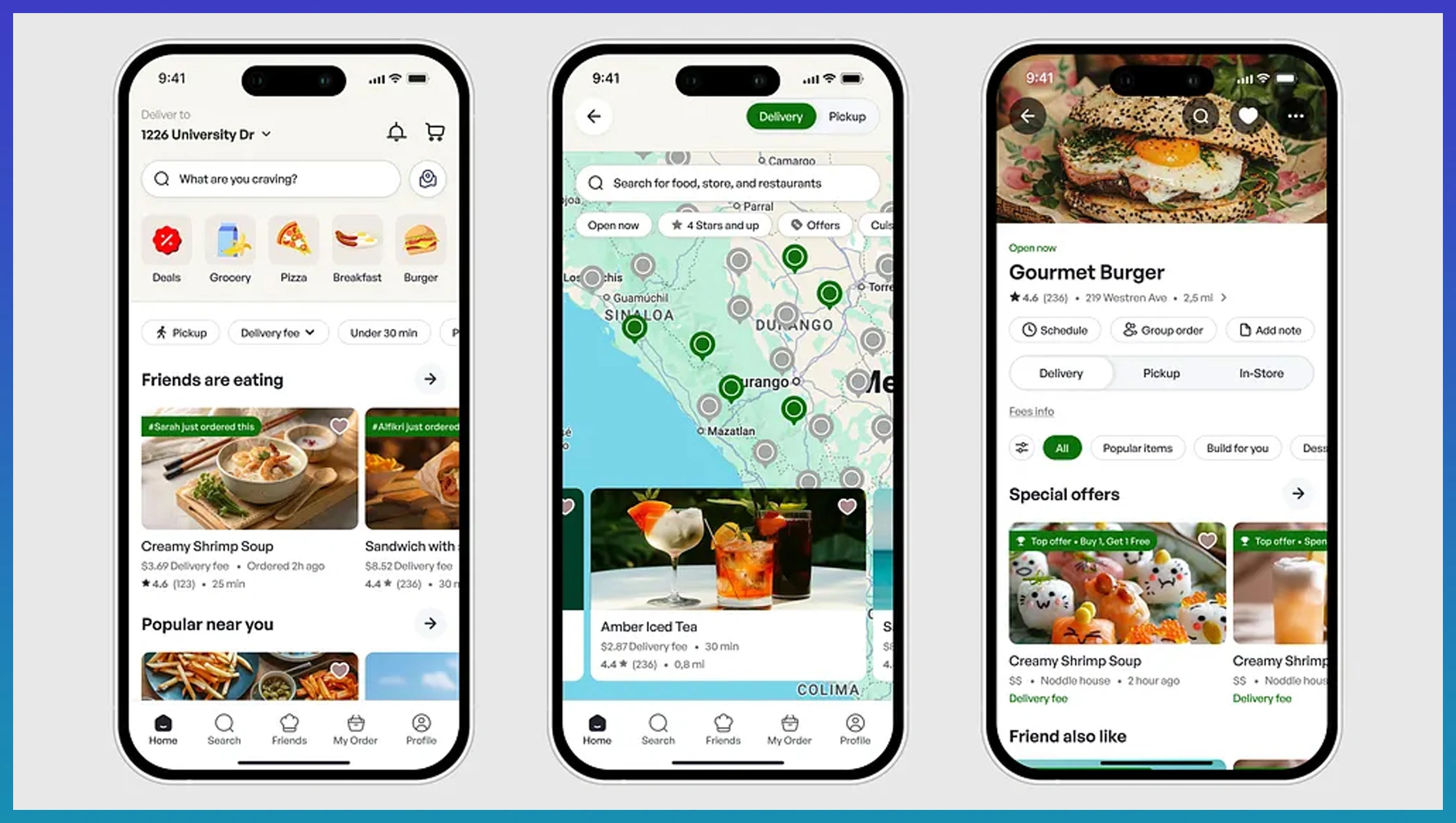
Demand-related signals and estimated delivery times can provide important context when studying food delivery marketplace performance. Businesses can compare delivery estimates, restaurant availability, menu changes, and pricing conditions across different periods to identify operational patterns. These observations become more useful when collected systematically rather than examined through individual listings.
Price changes can sometimes appear alongside promotional activity, changing availability, or variations in delivery conditions. By examining these factors together, analysts can understand how marketplace conditions shift across restaurants and locations. Restaurant Pricing Optimization Using Delivery Data can support research into pricing decisions by connecting observed restaurant prices with surrounding delivery and availability signals.
Useful analytical areas include:
- Restaurant-level demand indicators
- Delivery-time fluctuations
- Menu availability changes
- Location-based marketplace differences
- Pricing and promotional movements
For organizations requiring recurring datasets, Food Delivery Data Scraping Services can support broader collection and organization of restaurant information across selected sources.
| Demand Signal | Potential Analysis |
|---|---|
| Availability changes | Study marketplace activity |
| ETA variations | Monitor delivery conditions |
| Price movement | Compare pricing behavior |
| Menu changes | Track product activity |
| Location differences | Identify regional patterns |
Meanwhile, Food Delivery Competitor Analysis for Market Research can help structure comparisons around pricing, menus, availability, and delivery conditions, providing a clearer basis for identifying recurring marketplace patterns and supporting research-driven business planning.
How Web Fusion Data Can Help You?
Food delivery analysis depends on consistent data collection, structured fields, and organized historical records. We can help businesses collect and prepare relevant restaurant, menu, pricing, availability, and delivery information according to their research requirements. With Scrape Food Delivery for Menu Pricing Demand & ETA Analytics incorporated into a structured workflow, businesses can create datasets suitable for marketplace monitoring and analytical projects.
Key capabilities can include:
- Automated collection across selected food delivery sources
- Structured extraction of restaurant and menu information
- Location-based organization for regional comparisons
- Recurring collection for marketplace monitoring
- Customized datasets aligned with business requirements
- Data preparation for research and reporting workflows
The collected information can be cleaned, standardized, and organized around specific analytical objectives. Businesses can then use structured datasets for pricing research, competitor monitoring, restaurant benchmarking, demand analysis, and delivery performance studies. Real-Time Food Delivery Demand Analytics via Scarper can further support businesses that need to examine changing marketplace signals and recurring demand-related observations.
Conclusion
Food delivery marketplaces continuously produce information that can support menu, pricing, demand, competitor, and ETA analysis. Structured collection makes it easier to compare restaurant conditions, monitor marketplace changes, and identify recurring patterns across locations. Scrape Food Delivery for Menu Pricing Demand & ETA Analytics can help businesses organize these changing signals into useful datasets for research and operational planning.
Consistent data can support pricing studies, restaurant benchmarking, competitor monitoring, demand research, and marketplace analysis. Food Delivery Competitor Analysis for Market Research can provide a structured basis for comparing relevant restaurant and platform-level observations. Contact Web Fusion Data today to discuss your food delivery data requirements and build a customized data collection solution for your business.