Introduction
Grocery prices can change rapidly across digital stores because of supply conditions, local demand, promotions, seasonal fluctuations, and delivery costs. Scrape Grocery Price Inflation Using Quick Commerce APIs helps businesses collect current pricing information from multiple grocery platforms and compare changes across products, locations, and time periods.
Real-time price monitoring provides retailers with structured information for identifying unusual increases, recurring price movements, and regional variations. With Grocery Pricing Intelligence, businesses can evaluate pricing behavior across categories such as dairy, packaged foods, beverages, fruits, vegetables, and household essentials while maintaining a consistent view of market conditions.
API-based collection also reduces the effort involved in manually checking multiple digital storefronts. Businesses can organize product prices, discounts, availability, timestamps, and SKU information into datasets that support forecasting, competitor monitoring, procurement planning, and pricing decisions. This creates a practical foundation for continuous grocery market analysis.
Precision Driven Methods for Building Reliable Grocery Pricing Records
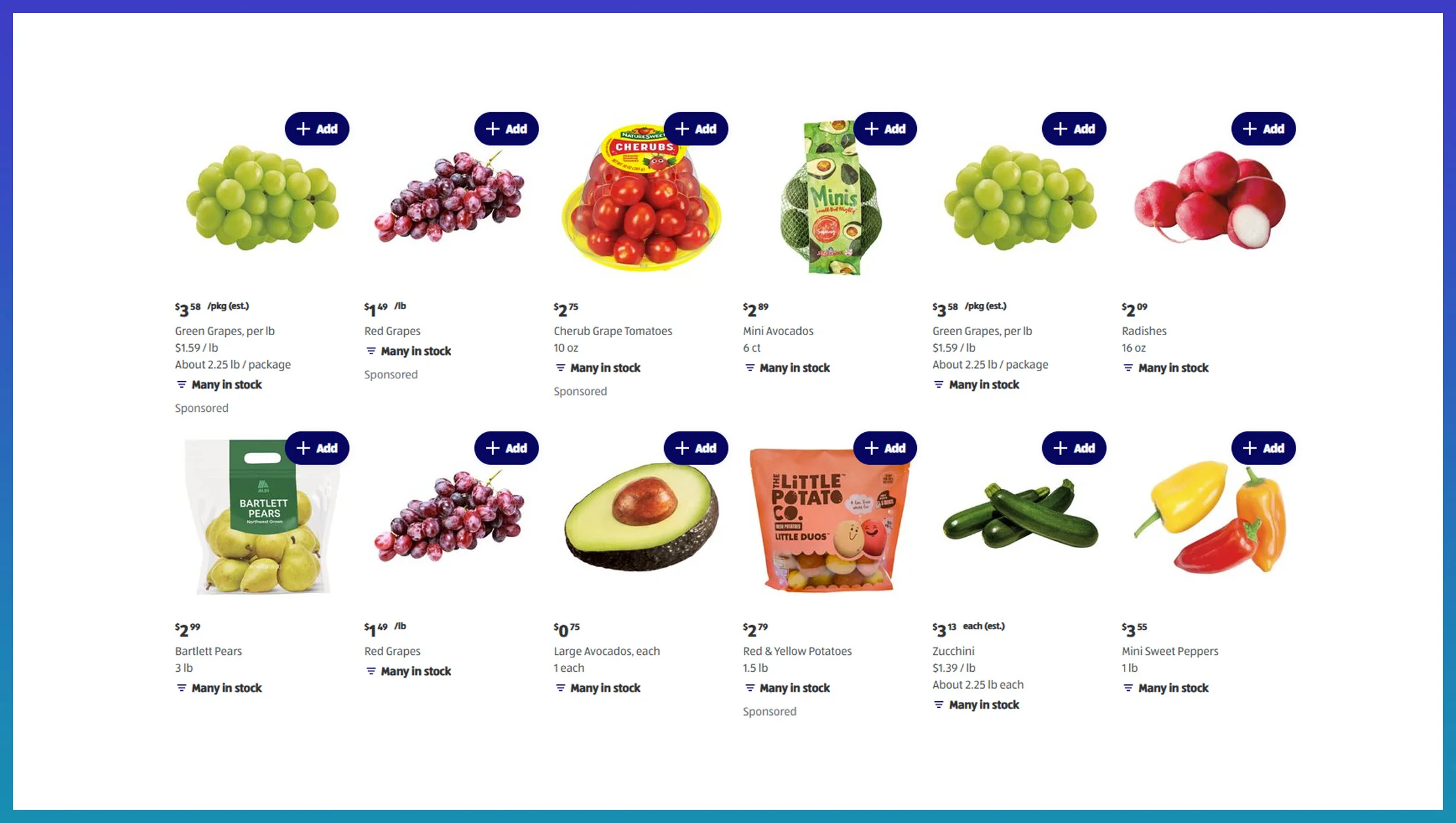
Quick commerce platforms continuously update grocery prices according to demand, availability, location, promotions, and supplier changes. Businesses therefore need consistent data collection methods to compare product prices over different periods. Structured extraction can capture product names, brands, pack sizes, listed prices, discounted values, stock status, and collection timestamps from digital grocery storefronts.
For inflation-focused monitoring, Grocery Data Scraping for Price Inflation can organize changing product prices into standardized records that make historical comparison easier. This approach allows analysts to observe repeated increases, temporary discounts, and differences between regular and promotional pricing without depending on manual checks across numerous platforms.
Businesses can also create Quick Commerce Datasets containing organized product records from multiple sources. These datasets can support comparisons across categories, locations, brands, and pack sizes while providing a consistent foundation for recurring analysis. Scheduled collection makes it easier to maintain historical records as grocery prices change throughout the day.
Key information commonly collected includes:
- Product names and brand details
- Current and previous prices
- Pack sizes and product variants
- Discount and promotion details
- Stock and availability status
- Location and collection timestamps
| Data Area | Tracking Purpose |
|---|---|
| Product Information | Catalog identification |
| Pricing Records | Price comparison |
| Availability | Stock monitoring |
| Collection Time | Historical tracking |
Reliable records help analysts separate short-term promotional changes from broader grocery price movements and build a stronger foundation for ongoing market evaluation.
Granular Insights From Comparing Grocery SKU Movements Across Locations
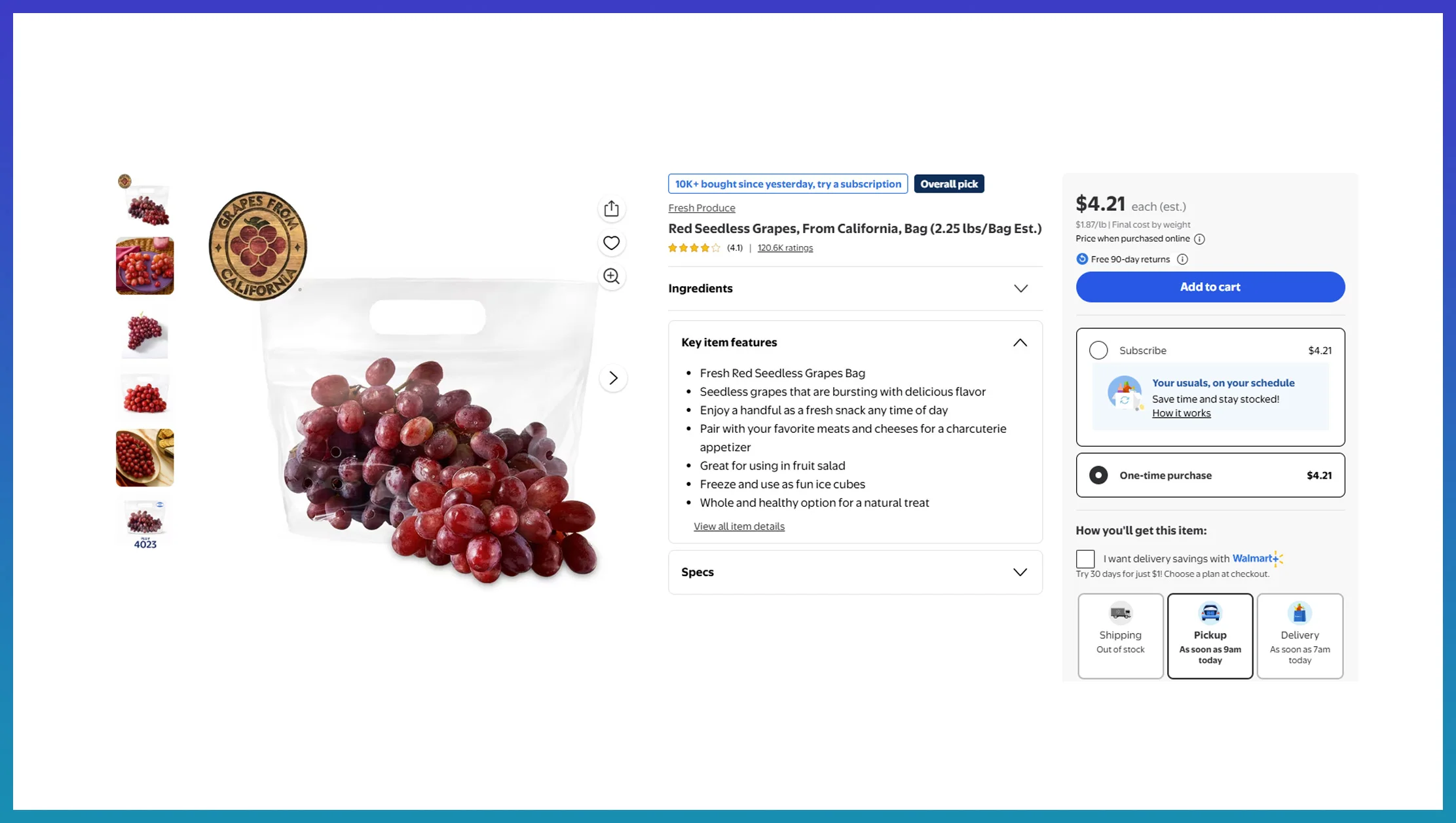
Grocery inflation does not affect every product equally. Individual SKUs can experience different price movements because of brand positioning, package size, regional demand, supply conditions, and promotional activity. Monitoring these differences gives retailers a clearer understanding of which products are experiencing sustained increases and which changes are temporary.
Using SKU-Level Grocery Price Inflation Tracking Using Quick Commerce APIs, analysts can compare the same product across different locations and collection periods. This makes it easier to calculate percentage changes, identify repeated increases, and examine how pricing behavior differs between cities. Historical SKU records can also support category-level comparisons.
Automated Price Tracking Services can make recurring monitoring more consistent by collecting updated product information according to predefined schedules. Instead of relying on occasional manual observations, businesses can maintain a continuous record of price movements and use those records for procurement planning, competitor analysis, and pricing reviews.
Important monitoring areas include:
- SKU-level price changes
- Regional price differences
- Pack-size variations
- Promotional price movements
- Product availability changes
- Historical price comparisons
| Monitoring Factor | Business Relevance |
|---|---|
| SKU Movement | Product-level evaluation |
| Regional Variation | Location comparison |
| Pack Size | Value assessment |
| Promotions | Discount evaluation |
Consistent SKU records provide a clearer picture of grocery inflation by showing where price changes are concentrated and how individual products contribute to broader category-level movements.
Strategic Interpretation of Grocery Pricing Records for Market Intelligence
Collecting grocery prices is only the first step toward understanding inflation. Businesses need to organize historical observations into meaningful patterns that reveal category movements, regional differences, product volatility, and promotional effects. Properly structured records allow analysts to move from individual price observations toward broader market intelligence.
Through Grocery Price Trend Analysis Using Quick Commerce Platform APIs, businesses can evaluate how prices move over time across selected products and categories. Analysts can compare current values with previous records, identify recurring changes, and examine whether certain categories demonstrate stronger volatility than others. Such analysis can support pricing reviews and demand planning.
Automated Web Scraping API Services can further simplify the collection process by supporting structured extraction from multiple digital sources. Data can be gathered at regular intervals and prepared for downstream dashboards, analytical models, reporting systems, or internal databases. This reduces repetitive monitoring work while improving data consistency.
Useful analytical applications include:
- Category-level price monitoring
- Regional market comparisons
- Price volatility measurement
- Promotion impact analysis
- Product availability monitoring
- Historical trend reporting
| Intelligence Area | Practical Application |
|---|---|
| Price Trends | Market evaluation |
| Category Changes | Demand planning |
| Regional Differences | Market comparison |
| Product Availability | Supply assessment |
When historical pricing information is consistently maintained, businesses can identify recurring inflation patterns and provide commercial teams with clearer evidence for procurement, pricing, assortment, and retail planning decisions.
How Web Fusion Data Can Help You?
Modern grocery analysis requires reliable information from rapidly changing digital storefronts. Scrape Grocery Price Inflation Using Quick Commerce APIs can support a structured approach to collecting product prices, availability, discounts, and market signals from relevant sources.
Key capabilities include:
- Automated collection from multiple grocery platforms
- Structured product and pricing records
- Scheduled data updates for ongoing monitoring
- Historical datasets for comparative analysis
- Flexible delivery in business-ready formats
- Support for API-based data integration and analytics
With these capabilities, organizations can convert scattered grocery pricing information into usable market intelligence. Scraping Grocery Inflation Analysis via Quick Delivery App Data can help teams evaluate changing prices, compare product movements, monitor regional differences, and support data-driven planning across procurement, pricing, and retail operations.
Conclusion
Real-time grocery monitoring can help businesses understand how prices change across products, locations, and digital stores. Scrape Grocery Price Inflation Using Quick Commerce APIs provides a practical method for collecting structured pricing information and creating historical records for market evaluation. Grocery Retail Business Intelligence Data can then support pricing analysis, procurement planning, competitive monitoring, and broader retail decision-making.
A consistent data pipeline makes inflation analysis more reliable by reducing manual checks and improving the availability of current market information. Businesses can combine automated collection with structured datasets to evaluate recurring price movements and category-level changes more efficiently. Contact Web Fusion Data today to build reliable grocery price intelligence solutions tailored to your market tracking requirements.