Introduction
The rapid expansion of quick commerce has fundamentally reshaped how consumers purchase everyday essentials, pushing brands to maintain consistent product visibility across multiple platforms simultaneously. Businesses operating in this space require precise, real-time data to remain competitive, and this demand has made Scrape Product Availability Across Quick Commerce Platforms a cornerstone strategy for brands aiming to sustain their market presence. Without structured data flows, even well-established brands risk losing shelf visibility to nimbler competitors.
Tracking inventory fluctuations across platforms like Blinkit, Zepto, Swiggy Instamart, and similar services requires more than manual checks. Integrating Quick Commerce Data Scraping into operational workflows enables businesses to capture granular stock-level updates, pricing shifts, and listing changes before they affect revenue. The speed at which product statuses change on these platforms demands automation that is both scalable and reliable.
To remain proactive rather than reactive, brands need solutions that go beyond surface-level data collection. Product Availability Data Extraction From Quick Commerce bridges the gap between fragmented platform updates and consolidated business intelligence. When brands understand exactly where stock gaps occur and when, they can act with precision protecting customer experience and preserving brand reputation simultaneously.
The Client Story
A mid-sized consumer goods brand operating across several quick commerce platforms approached us with a pressing concern: their products were frequently going out of stock on specific platforms without any internal alert system to flag these occurrences in time. Their existing monitoring was entirely manual, leaving regional sales teams dependent on periodic spot checks that often revealed problems only after customer complaints surfaced. They needed a smarter, more systematic approach.
The client's product catalogue spanned over forty SKUs distributed across six quick commerce platforms covering twelve cities. With such scale, Store-Level Product Availability Monitoring for Data Extraction became non-negotiable. They required the ability to track not just whether a product was listed, but whether it was actually available for delivery in each specific locality, a distinction that significantly impacts conversion rates and brand trust.
Beyond internal visibility, the client also wanted to benchmark their listing performance against competing brands in the same category. Quick Commerce Inventory Data Scraper capabilities were identified as essential for pulling this competitor-level data systematically without relying on third-party aggregators with limited granularity. Their ultimate goal was a centralized intelligence layer that could support daily operational decisions as well as monthly strategic reviews.
The Challenges
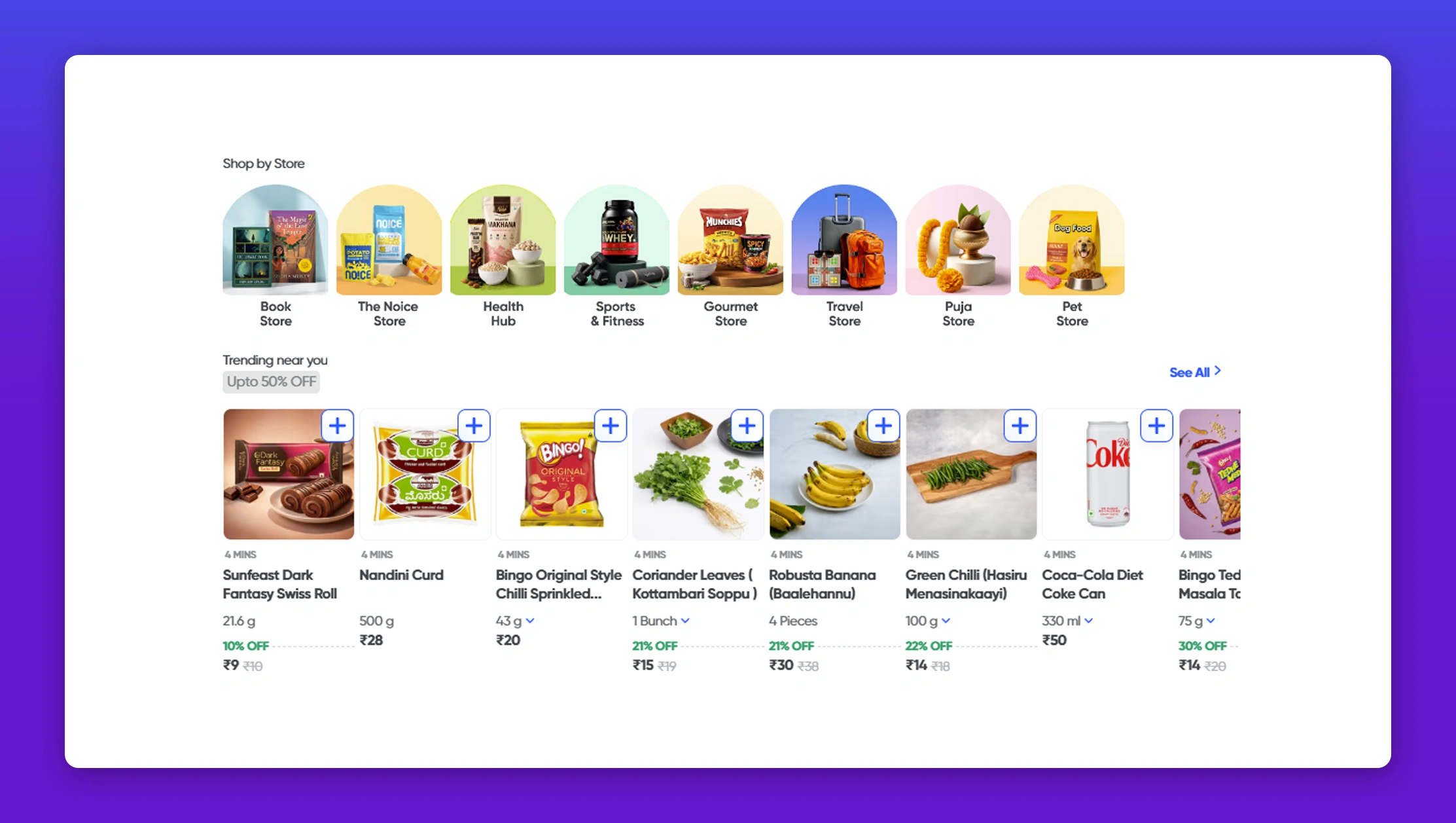
Before engaging with us, the client operated with significant blind spots that undermined their ability to manage listings proactively. These challenges were not isolated issues but interconnected gaps that compounded over time, creating recurring revenue losses and strained retailer relationships.
Key challenges included:
- Absence of real-time alerts when products moved to out-of-stock status across city-specific delivery zones.
- No structured system for Store-Level Product Availability Monitoring for Data Extraction across all platforms simultaneously.
- Inconsistent data from different platforms making cross-channel comparisons unreliable and time-consuming.
- Inability to identify which SKUs underperformed in specific geographies due to listing errors or inventory failures.
- Limited capacity to conduct competitive analysis without a functioning Quick Commerce Data API for Market Research framework.
- Heavy reliance on platform dashboards that lacked the depth required for multi-city, multi-platform decision-making.
- Delayed response cycles that allowed stockouts to persist for hours or days before corrective action was initiated.
These gaps collectively prevented the client from making timely inventory decisions, resulting in missed sales windows during peak demand periods. The absence of structured monitoring also meant that their account managers lacked the data confidence needed to negotiate better shelf placement or promotional support with platform partners.
The Solutions
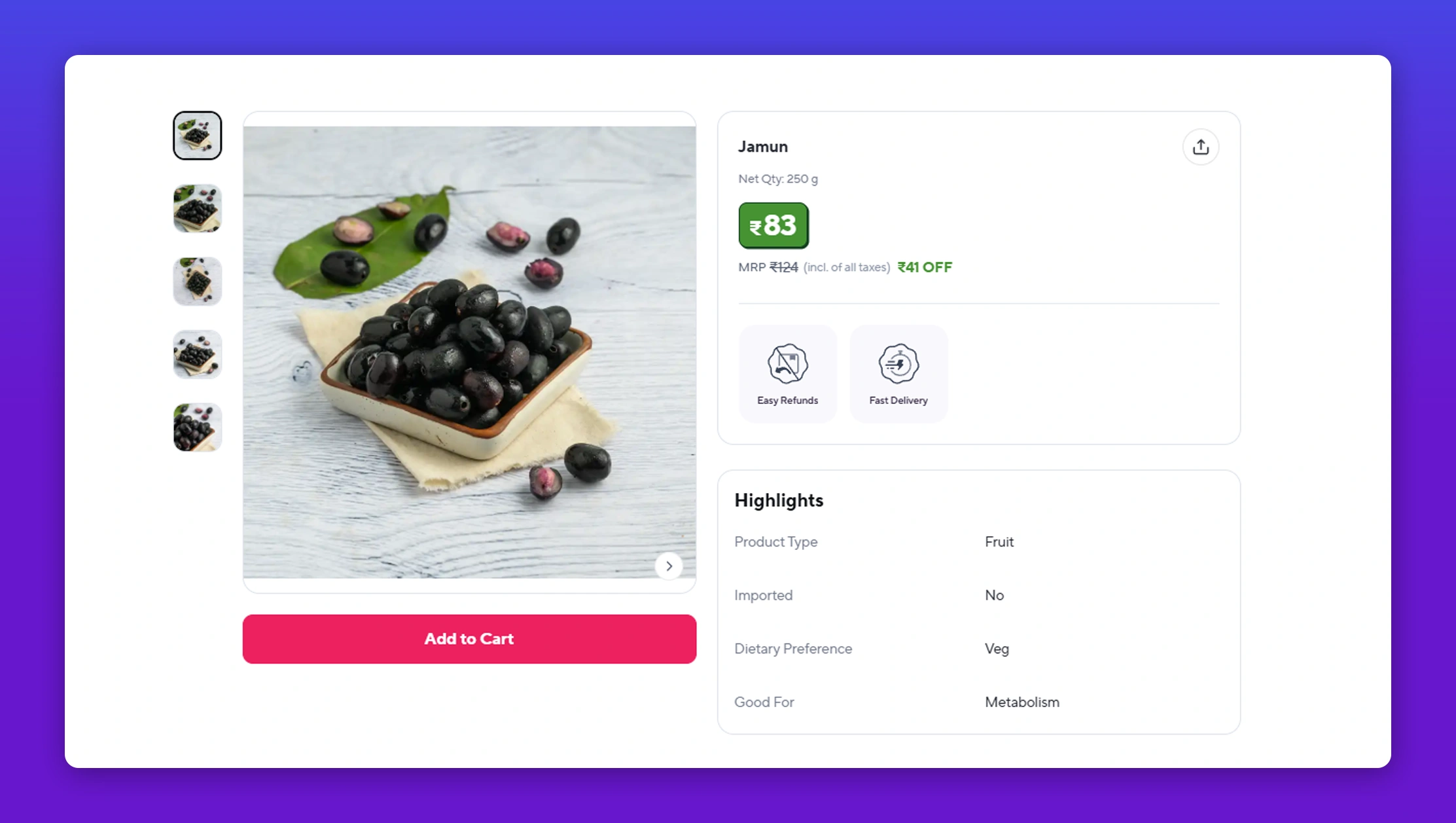
We designed a comprehensive data infrastructure tailored to the client's scale and operational complexity. Every solution was built around speed, accuracy, and actionable output ensuring that extracted data translated directly into business decisions rather than sitting in dashboards unactioned.
The solutions included:
- Deployment of a Quick Commerce Inventory Data Scraper capable of pulling real-time stock status for each SKU across all six platforms and twelve cities on an hourly basis.
- Development of automated alert mechanisms tied to predefined availability thresholds, notifying relevant teams the moment a product crossed into low-stock or out-of-stock territory.
- Integration of Product Availability Data Extraction From Quick Commerce pipelines with the client's internal inventory management system, enabling synchronized updates without manual data transfers.
- Construction of competitor monitoring modules using Quick Commerce Data API for Market Research, allowing the brand to track rival SKU availability, pricing adjustments, and promotional listing changes.
- Creation of city-level and platform-level performance reports that highlighted availability patterns, peak stockout windows, and category-level trends across the monitored period.
- Implementation of historical data archiving to support trend analysis and demand forecasting for upcoming campaign periods.
Together, these components formed a unified intelligence ecosystem where the client's teams could access live and historical availability data through a single interface. The shift from reactive problem-solving to proactive inventory management became the defining operational change for the client during this engagement.
What the Data Revealed: Availability Intelligence in Action
| Tracking Dimension | Business Goal | Method Used | Result Achieved |
|---|---|---|---|
| SKU-Level Stock Status | Reduce stockout duration | Hourly availability pulls | 63% faster stockout response |
| City-Specific Listings | Identify regional gaps | Zone-based monitoring | Coverage improved across 9 cities |
| Competitor SKU Presence | Benchmark shelf visibility | Cross-platform scanning | 4 new positioning opportunities identified |
| Peak Demand Windows | Align restocking cycles | Time-series pattern analysis | 41% reduction in missed demand windows |
| Pricing Consistency | Detect listing anomalies | Automated price tracking | Pricing errors resolved 5x faster |
This table reflects how structured availability intelligence drives measurable outcomes across different dimensions of quick commerce operations. With Enterprise Web Crawling capabilities underpinning the extraction process, the accuracy and consistency of these results remained high throughout the project duration.
The insights gathered during peak demand periods proved particularly valuable, revealing that certain SKUs experienced predictable stockout patterns on specific days of the week. This pattern-level visibility allowed the client to proactively coordinate replenishment well ahead of demand spikes rather than scrambling after availability failures had already affected conversion.
Benefits of Choosing Web Fusion Data
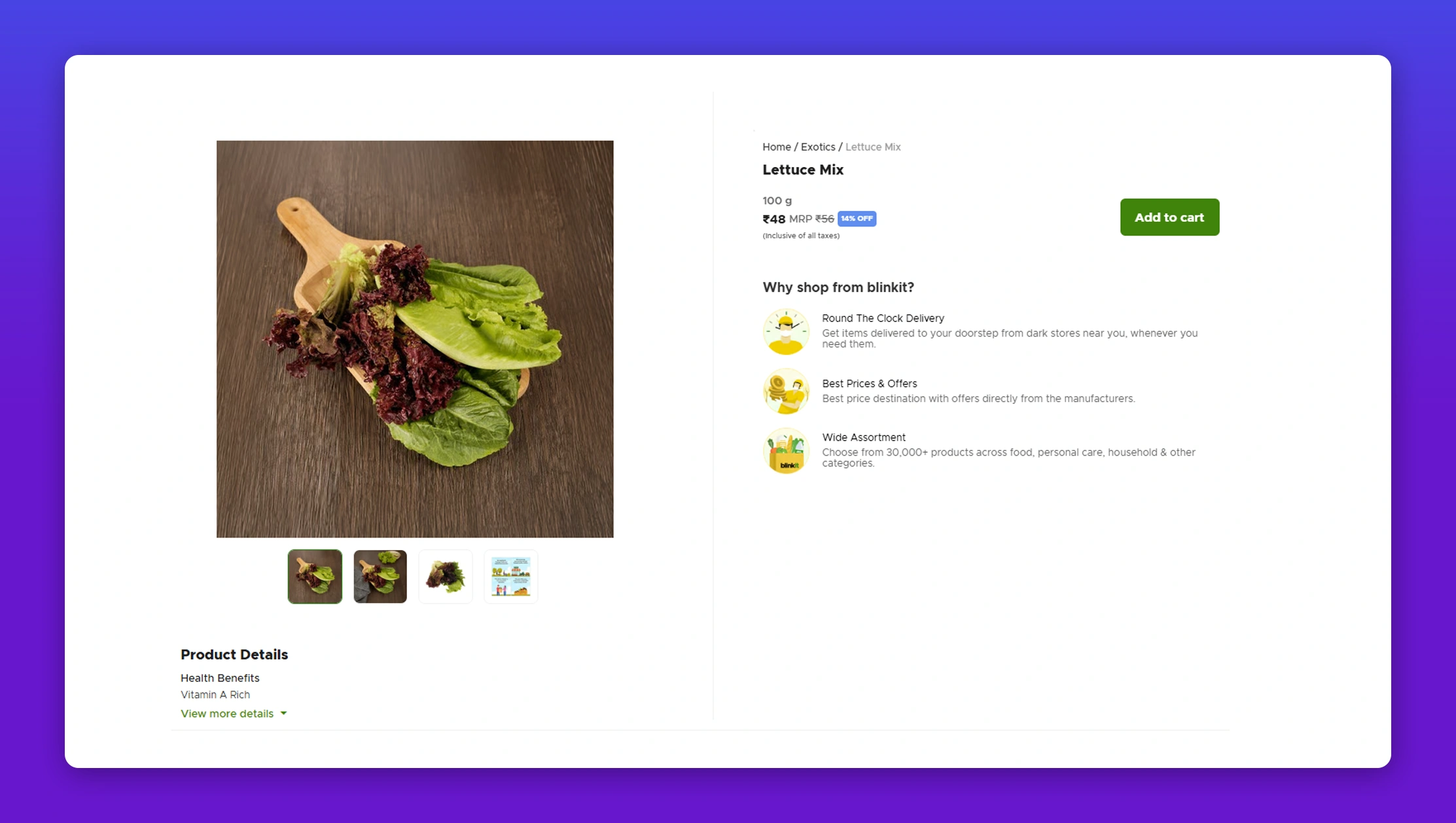
Selecting the right data intelligence partner determines how effectively a brand can translate raw platform data into competitive action. We bring a combination of technical depth and domain expertise that sets it apart in the quick commerce intelligence space.
-
Precision at Scale
Whether monitoring ten SKUs or ten thousand, Scrape Product Availability Across Quick Commerce Platforms solutions from us maintain consistent data quality without compromise, ensuring brands always operate on verified information. -
Real-Time Responsiveness
Hourly and sub-hourly data refresh cycles mean brands receive availability updates before stockouts translate into lost orders, allowing supply chain and account teams to act within the same business window. -
Competitive Intelligence Integration
Beyond internal data, brands gain structured visibility into how competitors manage their listings using Quick Commerce Datasets, enabling smarter category positioning and promotional timing decisions. -
Tailored Delivery Architecture
Every pipeline is built around the client's existing technology stack, ensuring that extracted data flows directly into tools already in use minimizing onboarding friction and accelerating time-to-insight. -
Actionable Reporting Layers
Beyond raw data, we provide structured reporting formats aligned with business objectives, converting platform signals into decisions that sales, marketing, and supply chain teams can act on immediately.
Client's Testimonial
Web Fusion Data fundamentally changed how we manage our presence across quick commerce platforms. The solution built around Scrape Product Availability Across Quick Commerce Platforms gave us hourly visibility that we simply did not have before. The Product Availability Data Extraction From Quick Commerce integration with our internal systems meant that insights reached the right teams automatically.
– Head of Digital Commerce, Consumer Goods Brand
Conclusion
This engagement highlights how structured quick commerce intelligence enables brands to replace reactive decision-making with consistent, data-backed strategies. By integrating Scrape Product Availability Across Quick Commerce Platforms into everyday workflows, the client strengthened inventory visibility, minimized revenue loss from stockouts, and responded faster to changing category-level demand.
The result was a more efficient operational framework that supported confident planning and sustained competitive performance across multiple marketplaces. A focused approach using Store-Level Product Availability Monitoring for Data Extraction helped uncover location-specific inventory trends that traditional reporting often overlooks, enabling smarter execution across regions.
If your business is ready to replace manual tracking with scalable market intelligence, we can develop a customized quick commerce data solution tailored to your platforms, SKU portfolio, and business objectives. Contact Web Fusion Data today to discuss the right strategy for your organization.