Introduction
Regulatory property records contain valuable information about registered projects, developers, approvals, completion timelines, locations, and project status. Organizing these records into structured datasets can help businesses evaluate development activity and market conditions more efficiently. This approach also supports Real Estate Data Intelligence across multiple property segments and geographic markets.
For builders and developers, structured regulatory information can simplify project benchmarking, competitor assessment, location analysis, and portfolio tracking. Instead of reviewing individual records manually, businesses can process project-level information through automated workflows, creating consistent datasets for research, reporting, and internal analysis. This makes property intelligence easier to maintain across expanding markets.
Using Scrape RERA Data for Builders, Developers & Property Intelligence can also support recurring analysis of project registrations, approvals, developers, estimated completion dates, and other available regulatory attributes. When organized correctly, these datasets provide a practical foundation for property research, investment analysis, market forecasting, and strategic planning across residential and commercial real estate.
Strategic Foundations for Structuring Regulatory Property Records and Market Data
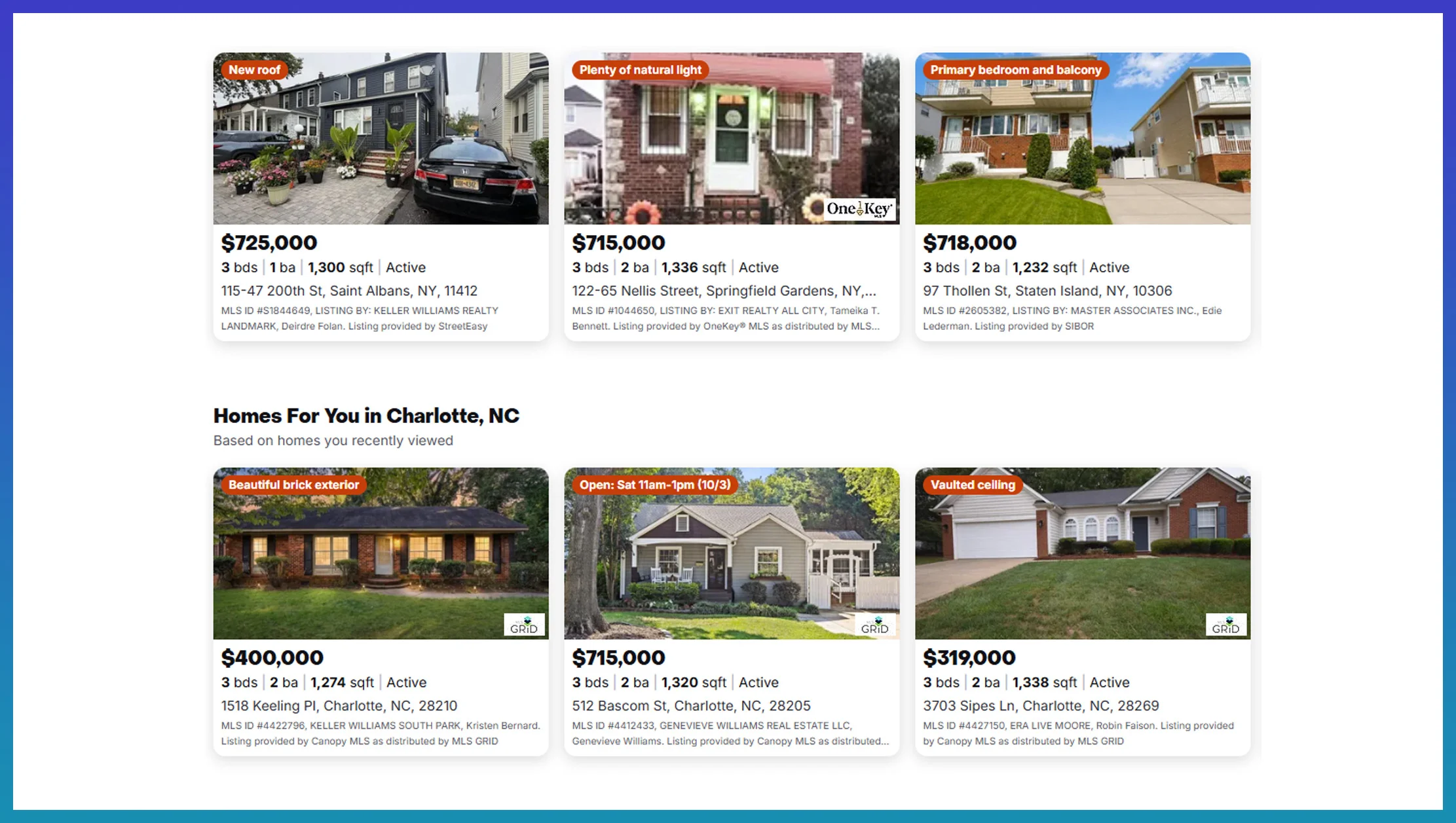
Regulatory records can contain extensive project information that becomes difficult to evaluate when handled through disconnected searches and manually maintained spreadsheets. Automated extraction organizes project names, registration numbers, developer information, locations, approvals, project status, and completion timelines into standardized records.
When project records are organized systematically, businesses can combine regulatory information with RERA Data Scraping for Property Data Intelligence to examine development activity across selected markets. Structured fields can be filtered according to location, developer, registration status, project category, or timeline. This enables analysts to create customized datasets for market reports, competitive assessments, portfolio reviews, and geographic comparisons while maintaining a consistent structure for future updates and historical analysis.
Pricing information can also be assessed alongside project records when businesses use Price Monitoring Services as part of a broader property intelligence workflow. This can help teams compare available pricing indicators with project locations, development stages, and builder activity. Combining these datasets creates a broader analytical view instead of treating project registration and market pricing as completely separate information sources.
Key data fields commonly organized through the workflow include:
- Project registration details
- Developer and promoter information
- Project location attributes
- Approval and registration status
- Development timelines
- Project category information
- Available completion details
| Data Attribute | Business Application |
|---|---|
| Registration Number | Record identification |
| Developer Name | Portfolio assessment |
| Project Location | Geographic comparison |
| Project Status | Development review |
| Completion Timeline | Schedule analysis |
| Approval Information | Regulatory review |
A standardized workflow can therefore turn scattered regulatory information into reusable datasets that support property research, reporting, and recurring market analysis.
Smarter Automation Frameworks for Continuous Project Records and Market Monitoring
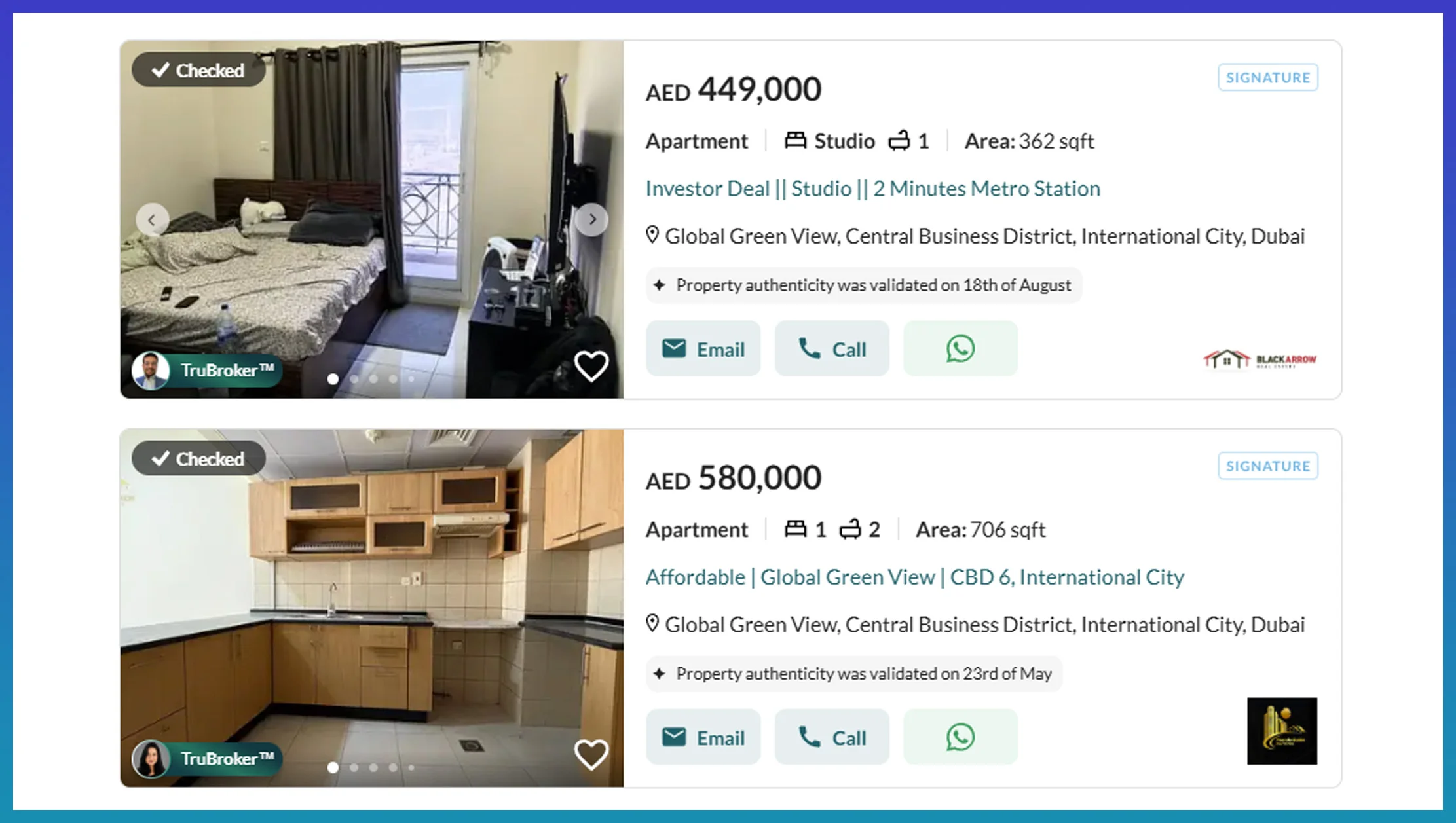
Property research becomes more efficient when project information can be collected through a repeatable workflow rather than manually reviewed record by record. Automated extraction can identify relevant pages, collect predefined attributes, standardize field formats, and organize records into structured outputs. This process can also reduce inconsistencies caused by different naming conventions, incomplete spreadsheets, or repeated manual copying.
A configurable Real Estate Scraper can be designed to capture selected project attributes according to specific research requirements. Data can then be cleaned, normalized, checked for duplicate entries, and arranged according to predefined schemas. This creates datasets that are easier to connect with dashboards, reporting systems, analytical applications, and internal databases.
For technology platforms and property-focused businesses, a RERA Property Data API for Real Estate Companies can provide another method of connecting structured records with existing applications. API-based delivery can make selected information available to dashboards, research platforms, internal systems, and analytical tools without requiring teams to repeatedly handle raw datasets.
The workflow can include several operational activities:
- Source identification and page mapping
- Automated project record extraction
- Field-level data normalization
- Duplicate record identification
- Missing-value and format checks
- Structured dataset preparation
- Scheduled data refreshes
| Workflow Stage | Primary Activity |
|---|---|
| Source Mapping | Identify relevant records |
| Data Collection | Extract project attributes |
| Cleaning | Standardize values |
| Validation | Check record consistency |
| Structuring | Organize fields |
| Delivery | Prepare business-ready outputs |
With these processes in place, property teams can maintain continuously updated datasets while reducing the operational effort associated with repeated manual collection.
Advanced Analytical Pathways for Turning Development Records Into Investment Intelligence
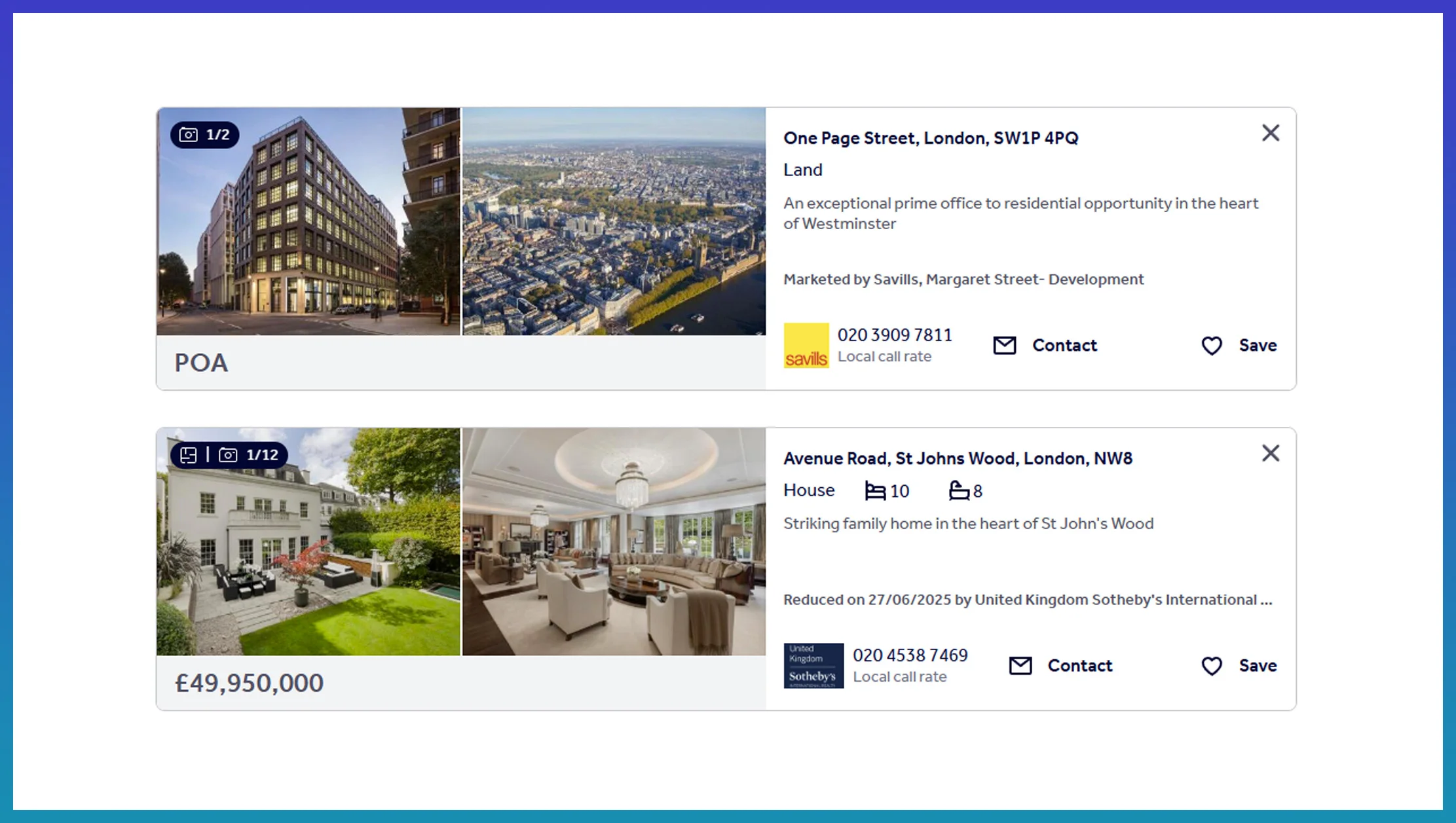
Regulatory project records become more useful when individual attributes are analyzed together rather than viewed as isolated data points. Project registrations, developer activity, geographic distribution, project status, and completion timelines can reveal patterns that support deeper market research. Businesses can organize these signals according to location, project category, development stage, or builder portfolio, creating structured comparisons that help analysts evaluate specific markets and identify areas requiring additional research.
Combining regulatory information with Real Estate Property Intelligence for Data Insights can help analysts build broader datasets around project activity and market characteristics. The resulting information can support feasibility studies, geographic assessments, portfolio research, and development trend analysis. Instead of depending on individual records, teams can examine larger collections of structured information and identify recurring patterns across selected markets.
Investment research can also incorporate Maximize Investment Opportunities as an analytical objective when project-level information is evaluated alongside other market indicators. Registration activity, developer concentration, project timelines, and geographic expansion can provide contextual information for further financial and market assessment.
Useful analytical activities can include:
- Comparing developer activity across locations
- Tracking newly registered projects
- Reviewing project status changes
- Examining development timelines
- Grouping projects by geography
- Supporting portfolio research
- Preparing market comparison datasets
| Intelligence Signal | Analytical Application |
|---|---|
| New Registrations | Development activity review |
| Developer Records | Portfolio comparison |
| Project Locations | Geographic assessment |
| Project Status | Development tracking |
| Completion Dates | Timeline analysis |
| Registration Trends | Market research |
A structured analytical framework can therefore convert regulatory records into reusable business information that supports property research, development planning, market assessment, and investment-related analysis.
How Web Fusion Data Can Help You?
For organizations managing large property datasets, Scrape RERA Data for Builders, Developers & Property Intelligence can form part of a structured data collection and analytics workflow. We can support automated extraction, data cleaning, normalization, monitoring, and delivery according to project requirements. The resulting datasets can be prepared for dashboards, research systems, analytical applications, and internal business platforms.
Key capabilities can include:
- Customized data extraction based on required project fields
- Automated collection workflows for recurring requirements
- Data cleansing and normalization for consistent records
- Duplicate identification and structured record validation
- Flexible delivery formats for analytical environments
- Integration support for databases, dashboards, and business systems
For businesses requiring RERA Project Monitoring Using Scraped Data, structured workflows can simplify the process of converting regulatory records into usable datasets. This approach can support property research teams, developers, investment analysts, real estate consultancies, and technology platforms that require organized project-level information for recurring analysis.
Conclusion
Property regulatory records can provide valuable signals about project activity, developer portfolios, locations, approvals, and development timelines. With structured extraction and consistent data processing, Scrape RERA Data for Builders, Developers & Property Intelligence can support research workflows involving project comparison, market assessment, portfolio analysis, and recurring property intelligence.
Businesses can further connect these datasets with RERA Project Monitoring Using Scraped Data to organize recurring project updates and analytical workflows. When regulatory information is combined with relevant market datasets, teams can build a broader information framework for property research, development planning, and investment analysis. Connect with Web Fusion Data to build a customized RERA data extraction and property intelligence solution for your business.