Introduction
The grocery retail landscape in Singapore demands constant vigilance over competitor pricing movements, product availability fluctuations, and consumer purchasing behavior. Retailers need structured datasets to respond effectively to rapid market shifts while maintaining profitability and customer satisfaction. Grocery Pricing Intelligence Solutions enable businesses to capture real-time pricing variations, promotional strategies, and inventory trends across multiple competitors, creating a foundation for smarter pricing decisions.
Modern grocery chains face increasing pressure to balance competitive pricing with operational margins, making data-driven strategies indispensable. Implementing Singapore Retail Price Intelligence Solutions provides retailers with comprehensive visibility into market dynamics, allowing them to adjust their pricing models based on actual competitor movements rather than assumptions. This systematic approach helps businesses identify pricing gaps, optimize their product mix, and respond proactively to competitive threats.
By capturing structured pricing data and availability metrics, retailers can develop sophisticated strategies that align with consumer expectations while protecting their market position. Utilizing Grocery Price Intelligence Singapore methodologies allows businesses to transform raw pricing information into strategic assets that drive revenue growth, enhance customer loyalty, and improve operational decision-making across all store locations throughout the region.
The Client Story

A prominent grocery retailer operating multiple store formats across Singapore sought to enhance their pricing competitiveness and product assortment strategies. Their existing approach relied heavily on manual competitor checks and periodic market surveys, resulting in delayed responses to pricing changes and missed opportunities to optimize their product portfolio. The leadership team recognized the need for systematic data collection to build a more responsive pricing framework.
The organization wanted to implement Singapore Retail Price Intelligence Solutions that could monitor competitor pricing movements, track product availability patterns, and identify emerging trends in consumer preferences. Their goal extended beyond simple price matching to developing sophisticated strategies that considered regional variations, promotional effectiveness, and category-specific dynamics. They needed intelligence that would support both tactical adjustments and long-term strategic planning.
Additionally, the client required capabilities for FairPrice Product Availability Tracking to ensure their shelves remained stocked with high-demand items while identifying slow-moving products that affected profitability. Without comprehensive visibility into market-wide availability patterns and pricing structures, they struggled to make informed decisions about assortment optimization, promotional timing, and regional pricing variations that could strengthen their competitive position.
The Challenges
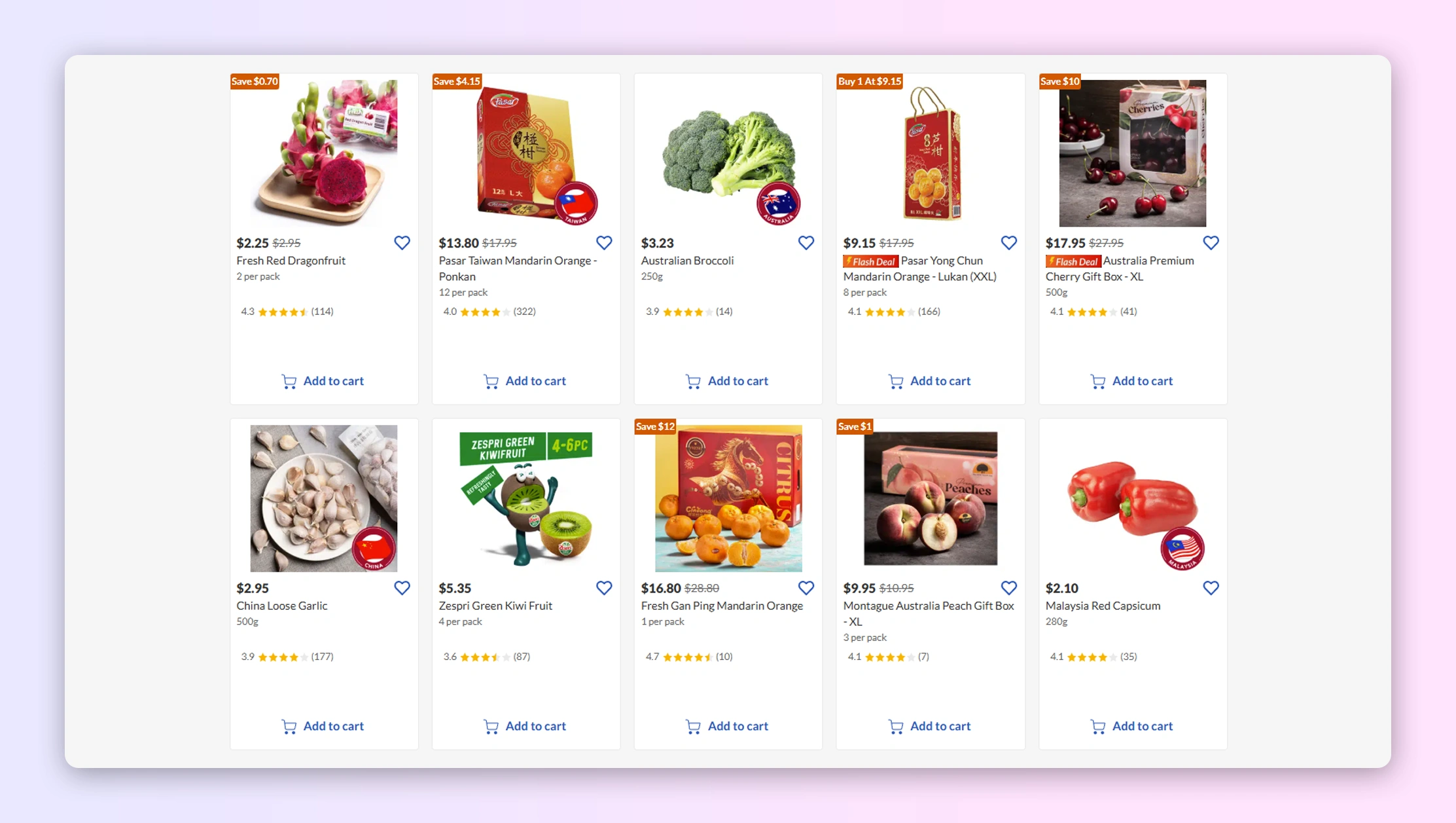
Prior to implementing structured data solutions, the retailer encountered significant barriers that hindered their ability to maintain competitive pricing and optimal product assortment. Their fragmented approach to market intelligence created blind spots in competitor analysis and limited their responsiveness to dynamic market conditions.
Manual monitoring processes consumed considerable resources while delivering inconsistent results. The organization faced difficulty accessing reliable Grocery Data Scraping Services that could systematically capture competitor pricing across multiple store locations and product categories. This limitation prevented them from developing comprehensive pricing strategies that reflected actual market conditions.
Primary obstacles included:
- Inconsistent competitor price tracking across different geographical regions and store formats.
- Delayed identification of promotional activities and seasonal pricing adjustments.
- Limited capability to perform FairPrice Product Data Scraping for comprehensive inventory analysis.
- Absence of standardized frameworks for comparing category-level pricing strategies.
- Insufficient data granularity for understanding store-specific pricing variations and consumer response.
- Inability to correlate pricing changes with sales volume fluctuations and market share movements.
These operational gaps resulted in reactive decision-making rather than proactive strategy development. The retailer often discovered competitor pricing changes after they had already impacted sales performance, limiting their ability to protect margins while maintaining customer satisfaction. Without systematic intelligence gathering, they lacked the foundation needed for evidence-based pricing adjustments and strategic assortment decisions.
The Solutions

Addressing these challenges required developing a robust framework capable of capturing detailed pricing data, monitoring availability patterns, and generating actionable insights across multiple dimensions. The solution integrated automated data collection with analytical tools designed specifically for retail pricing intelligence and competitive benchmarking.
Strategic implementations included:
- Automated monitoring systems to track daily price fluctuations across competitor stores and product categories.
- Development of Store-Level Pricing Strategy frameworks that accounted for regional variations and demographic differences.
- Deployment of specialized extraction tools to systematically capture product availability and promotional information.
- Creation of category-specific dashboards for analyzing pricing patterns and identifying optimization opportunities.
- Implementation of alert mechanisms to notify teams of significant competitor pricing movements.
- Integration of FairPrice Product Data Scraping capabilities to maintain updated product catalogs and pricing databases.
These solutions created an integrated ecosystem where pricing intelligence, availability tracking, and competitive analysis converged into a unified decision-support platform. The automated nature of data collection ensured continuous monitoring without manual intervention, allowing the team to focus on strategic interpretation rather than data gathering activities.
Benefits of Choosing Web Fusion Data
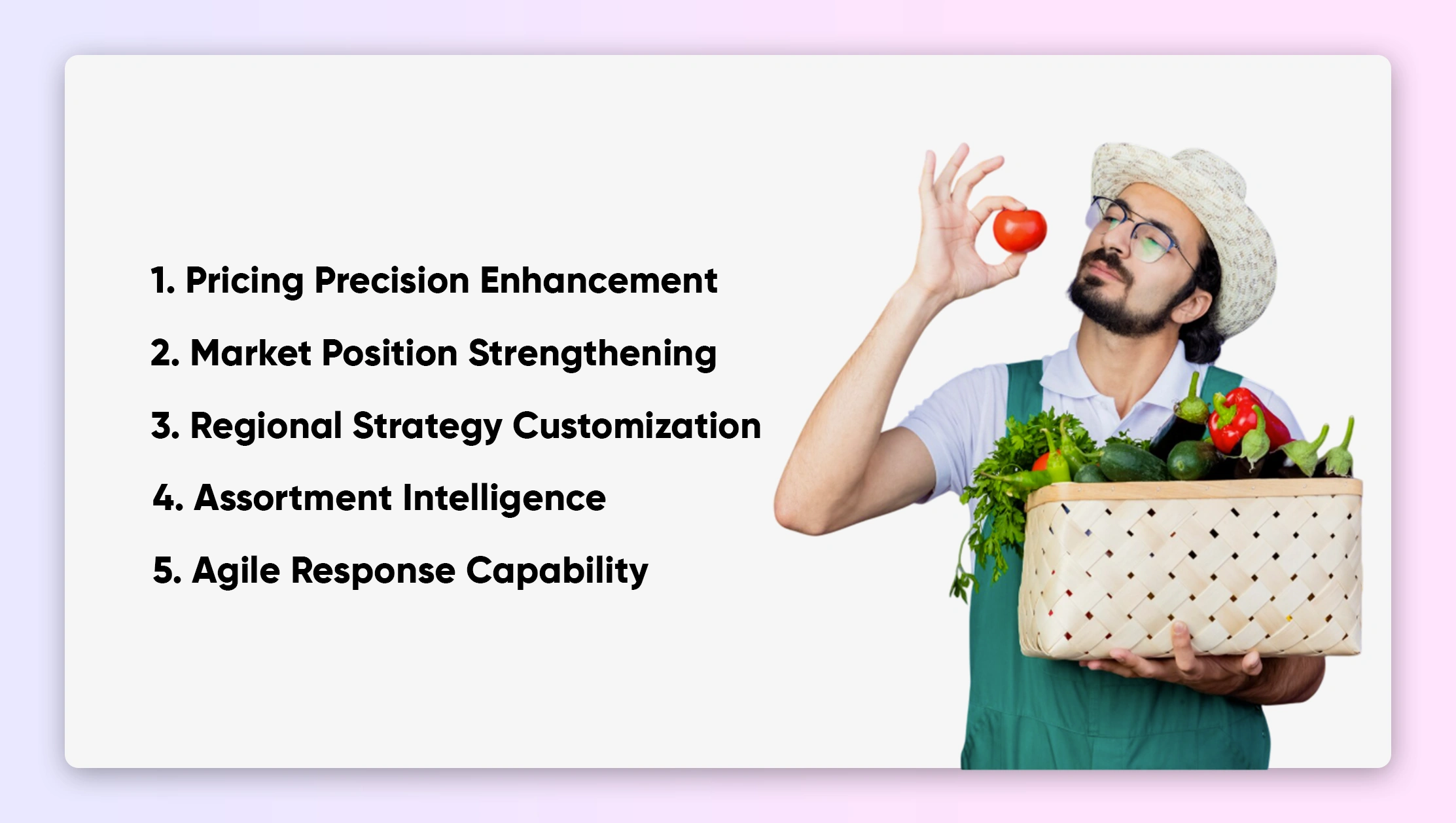
Partnering with specialized data intelligence providers delivers measurable improvements in pricing competitiveness, operational efficiency, and strategic decision-making capabilities.
The following benefits illustrate how structured data solutions empower retailers to navigate competitive markets effectively.
-
Pricing Precision Enhancement
Through systematic competitor monitoring and Grocery Price Intelligence Singapore methodologies, retailers gain accurate insights into market pricing dynamics, enabling them to position products competitively while protecting profit margins across diverse product categories.
-
Market Position Strengthening
Access to comprehensive competitive intelligence allows businesses to identify pricing gaps and opportunities, ensuring they remain attractive to price-conscious consumers while differentiating their value proposition in crowded markets.
-
Inventory Optimization
Implementing FairPrice Product Availability Tracking enables retailers to align stock levels with actual demand patterns, reducing out-of-stock situations for popular items while minimizing excess inventory for slower-moving products.
-
Regional Strategy Customization
Detailed location-specific data supports the development of tailored Store-Level Pricing Strategy approaches that reflect local competitive dynamics, demographic preferences, and purchasing power variations across different neighborhoods.
-
Assortment Intelligence
Through FMCG Assortment Optimization insights, retailers can make informed decisions about product mix, identifying high-performing categories and underperforming items that require attention or removal from shelves.
-
Agile Response Capability
Real-time data access enables rapid response to competitor actions, market trends, and consumer behavior shifts, ensuring retailers maintain relevance and competitiveness throughout changing market conditions.
Data-Driven Insights Across Critical Business Dimensions
| Intelligence Category | Strategic Purpose | Analytical Approach | Business Impact |
|---|---|---|---|
| Competitive Price Mapping | Monitor market positioning | Cross-retailer comparison | 18% pricing accuracy improvement |
| Product Portfolio Analysis | Evaluate category performance | Sales correlation tracking | 24% assortment effectiveness gain |
| Availability Monitoring | Ensure stock consistency | Multi-location inventory checks | 31% out-of-stock reduction |
| Promotional Effectiveness | Assess discount strategies | Period-over-period analysis | 22% promotional ROI increase |
| Regional Price Variation | Optimize location strategies | Geographic pattern analysis | 16% regional margin improvement |
This framework demonstrates how structured retail intelligence transforms fragmented data points into coherent business strategies. By systematically analyzing competitor behavior and market patterns, retailers develop proactive approaches that anticipate market shifts rather than reacting to them after impact.
The integration of comprehensive pricing intelligence with availability tracking creates powerful synergies for FMCG Assortment Optimization, enabling retailers to align their product selection with actual consumer demand and competitive positioning. This holistic approach supports both immediate tactical adjustments and longer-term strategic evolution.
Client Testimonials
Working with Web Fusion Data has fundamentally changed how we approach pricing strategy and competitive positioning. The implementation of Singapore Retail Price Intelligence Solutions provided us with unprecedented visibility into market dynamics, allowing our teams to make confident, data-backed decisions. The systematic approach to competitor monitoring and FairPrice Product Availability Tracking has significantly improved our responsiveness to market changes and enhanced our ability to serve customers effectively across all our locations.
– Head of Pricing Strategy, Leading Singapore Grocery Retailer
Conclusion
This initiative showcased how Singapore Retail Price Intelligence Solutions can revolutionize grocery retail operations by integrating competitive pricing analysis, product availability monitoring, and strategic assortment planning into cohesive decision frameworks. The systematic approach enabled the retailer to transform market intelligence into sustainable competitive advantages.
Incorporating structured Store-Level Pricing Strategy development gave the organization granular control over regional pricing variations while maintaining brand consistency. The results demonstrated measurable improvements in pricing accuracy, inventory optimization, and market responsiveness. Contact Web Fusion Data today to explore how our specialized retail intelligence solutions can transform your pricing strategy and competitive positioning.