Introduction
The online food delivery ecosystem evolves at a rapid pace, making accurate operational intelligence essential for modern restaurant success. Business owners need actionable data to optimize menus, establish competitive prices, and adapt to rapidly changing consumer choices. Utilizing structured data allows food businesses to remove guesswork and make strategy decisions backed by real market realities.
By examining regional culinary demand and item pricing, brands discover clear growth opportunities within competitive markets. Access to comprehensive information like the Swiggy Food Dataset enables operators to evaluate localized preferences, peak ordering times, and category popularity across cities. This deep visibility helps existing eateries and new cloud kitchens refine their offerings effectively.
Deploying data-driven strategies transforms raw food delivery metrics into high-impact business decisions. Leveraging a Swiggy Dataset for Restaurant Market Insights empowers brands to set profit-maximizing prices and position their items strategically. Modern restaurant growth depends on understanding market dynamics, menu structures, and localized consumer behavior through organized digital insights.
Analyzing Competitor Menu Rates and Dynamic Pricing Strategies
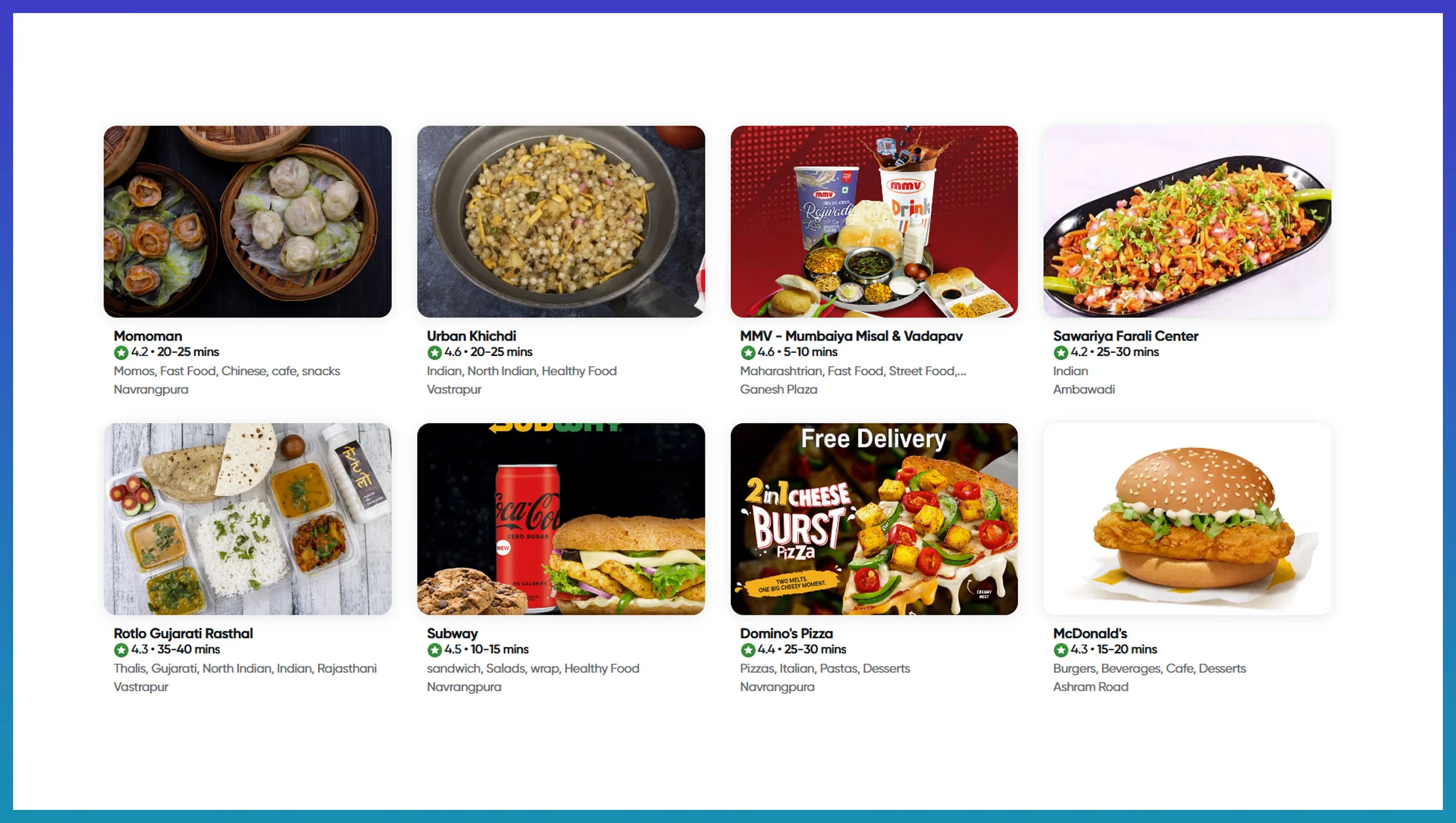
Setting competitive delivery prices requires tracking local restaurants and their promotions. Real-Time Swiggy Restaurant Menu Analysis helps managers compare menu prices and discounts, protect profit margins, and maintain customer appeal. Analyzing localized menu variations helps operators identify competitive pricing gaps and adjust their offerings accordingly without compromising profitability.
Digital ordering platforms require flexible pricing structures that react swiftly to seasonal shifts and market movements. Relying on accurate Swiggy Food Data Scraping helps businesses gather localized menu prices, enabling analytical teams to map out competitor discount trends and structural pricing patterns effectively. Understanding these pricing mechanisms allows eateries to construct attractive meal bundles that drive higher purchase volumes across major urban target markets.
In addition to collecting raw price points, brands must assess consumer response to promotional discounts and package deals. Standardizing price evaluations helps managers forecast profit margins and build long-term financial stability across multiple outlets. Combining comprehensive menu audits with strategic price adjustments ensures that online food brands maintain sustainable revenue growth while operating in densely populated delivery zones.
| Category | Average Price Range | Top Discount Margin | Market Demand Index |
|---|---|---|---|
| Biryani & Meals | ₹250 – ₹400 | 15% – 25% | Very High |
| Fast Food/Burgers | ₹120 – ₹280 | 10% – 20% | High |
| Desserts/Bakery | ₹150 – ₹300 | 5% – 15% | Moderate |
- Evaluating regional competitor pricing structures across core menu categories.
- Tracking discount patterns and promotional deals across distinct delivery hours.
- Identifying high-margin menu items to optimize overall restaurant profit.
Furthermore, strategic menu pricing directly impacts order volume and brand retention over time. Modern delivery concepts continuously test price sensitivity by adjusting individual item costs across distinct service times. Executing these strategic adjustments allows restaurant teams to capture higher market share, improve daily margins, and maintain a commanding operational presence across crowded food delivery networks.
Evaluating Localized Demand Patterns and Consumer Preferences

Understanding consumer purchasing behavior requires detailed evaluations of localized dining habits and peak ordering schedules. Ordering patterns vary significantly across urban neighborhoods, office hubs, and residential zones during different times of the day. Evaluating location-specific delivery volumes allows food brands to align kitchen inventory, staffing levels, and delivery logistics with actual market demand.
Navigating shifting consumer habits relies heavily on extracting actionable trends from online delivery metrics. Leveraging structured Food Delivery Data Intelligence empowers operational teams to spot emerging culinary trends, popular combo choices, and under-served geographic zones efficiently. Recognizing localized taste preferences helps brand managers tailor regional menus, boost customer loyalty, and maximize daily order output.
Analyzing time-based ordering trends helps cloud kitchens plan expansion and optimize menus. Using the Swiggy Dataset API reveals demand patterns, from quick thalis during lunch hours to family meals and gourmet desserts late at night. Adjusting kitchen prep schedules according to these proven ordering patterns minimizes operational bottlenecks and drastically reduces expensive ingredient wastage.
| Time Window | Leading Order Type | Avg Order Value (AOV) | Peak Volume Days |
|---|---|---|---|
| Lunch (12–3 PM) | Thalis & Combo Meals | ₹220 – ₹350 | Monday – Friday |
| Evening (5–8 PM) | Snacks & Beverages | ₹150 – ₹250 | Daily |
| Dinner (8–11 PM) | Family Sets & Desserts | ₹450 – ₹750 | Friday – Sunday |
- Mapping high-volume order windows across lunch, evening, and late-night cycles.
- Streamlining kitchen prep schedules to drastically cut down daily ingredient waste.
- Customizing regional menus based on neighborhood taste trends and spending habits.
Consistently monitoring neighborhood demand helps brands optimize localized marketing campaigns and promotional spending. Food businesses that tailor their promotional messaging around peak consumption periods experience higher engagement rates and better marketing ROI.
Optimizing Menu Structure and Item Performance Metrics
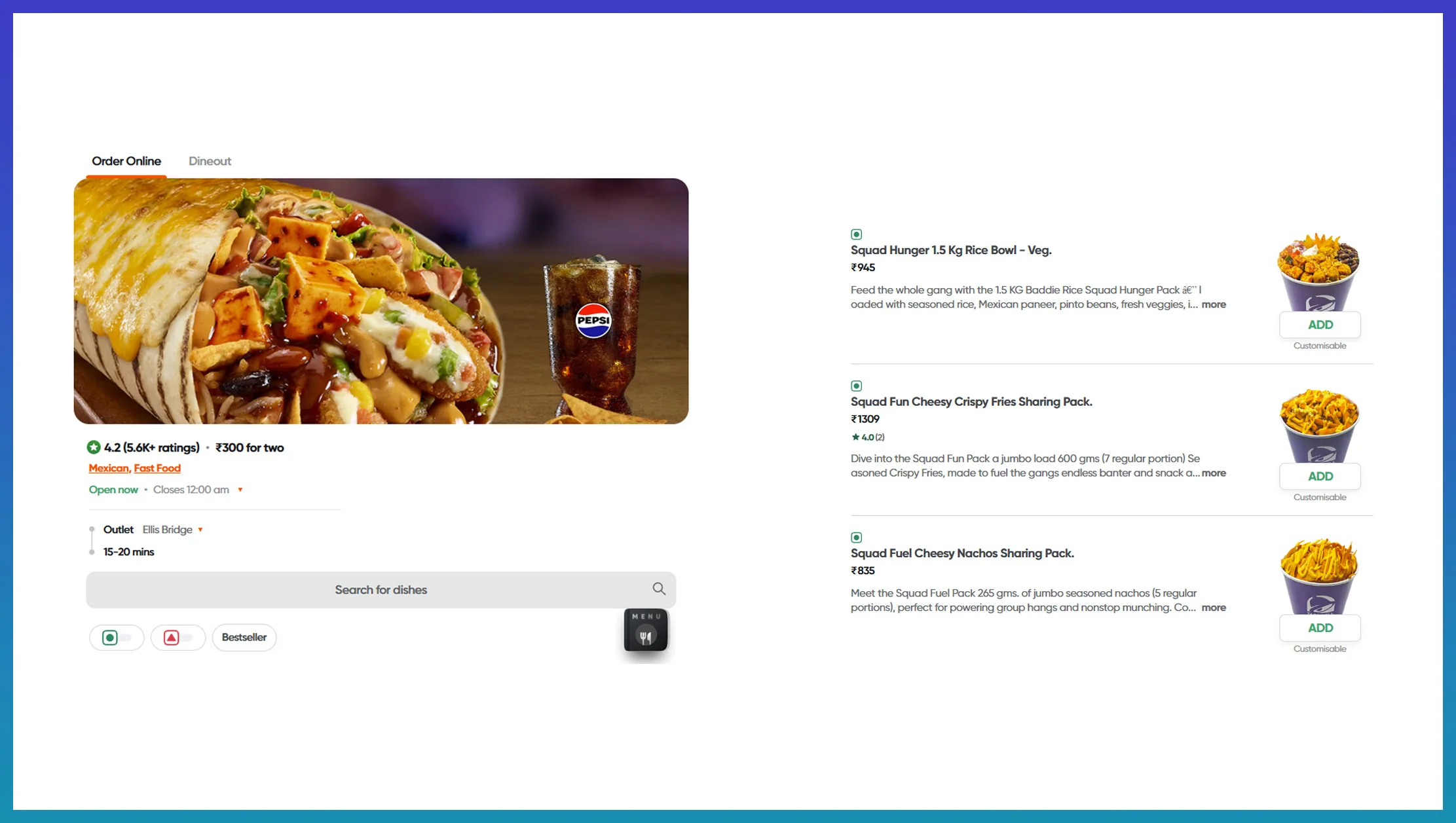
An effective online menu balances profitable specialty dishes with popular customer favorites to increase order values and highlight signature offerings. Restaurants can Scrape Swiggy Menu Item Prices for Comparison to refine pricing strategies and improve menu performance. Analyzing dish rankings, customer reviews, and category layouts provides essential feedback for refining item descriptions and promotional placements.
Deploying specialized tools like an automated Food Scraper gives restaurant teams real-time clarity into high-performing dishes, helping management streamline menu engineering strategies effectively. Tracking dish visibility across competitor platforms reveals how top-performing brands organize their listings to capture user attention. These insights enable brands to feature profitable items prominently and eliminate slow-moving inventory.
Continuous menu optimization involves updating dish photography, refining item names, and grouping complementary add-ons. Strategic menu adjustments encourage cross-selling, leading to higher overall basket sizes during checkout. Monitoring dish conversion rates ensures that every item on the active menu contributes directly to operational profitability and brand reputation across competitive digital platforms.
| Menu Classification | Volume Performance | Profitability Level | Strategic Action |
|---|---|---|---|
| Star Dishes | High Volume | High Margin | Prominent Placement |
| Opportunity Items | Low Volume | High Margin | Reposition/Promote |
| Volume Drivers | High Volume | Low Margin | Adjust Ingredient Cost |
- Categorizing menu items based on relative purchase volume and profit margins.
- Enhancing dish descriptions and category placement to improve conversion rates.
- Implementing strategic cross-selling tactics to increase average customer basket sizes.
Ultimately, menu engineering is an ongoing process of refined testing, evaluation, and operational execution. Restaurants that routinely audit item performance can easily adapt to changing ingredient costs and shifting market trends. Developing structured, data-led menu layouts ensures consistent profit generation and builds a strong foundation for scaling food business operations across multiple cities.
How Web Fusion Data Can Help You?
Navigating the competitive delivery landscape requires continuous access to reliable data sources and organized digital analytics. Incorporating a comprehensive Swiggy Dataset for Restaurant Market Insights delivers clear strategic visibility, allowing teams to analyze competitive actions, monitor real-time menu shifts, and make informed expansion choices.
- Custom structured datasets delivered in your preferred analytical formats.
- Seamless automated delivery schedules tailored to your business pipeline.
- High accuracy data pipelines ensuring precise location and catalog information.
- Scalable infrastructure capable of scraping vast multi-city geographic zones.
- Clean data extraction that simplifies strategic menu and price modeling.
- Ongoing technical support and regular maintenance for reliable data feeds.
Empowering your brand with modern scraping tech transforms raw delivery figures into clear action plans. Integrating a robust Food Scraping API streamlines your business workflows, allowing your team to establish long-term strategies and scale operations effortlessly.
Conclusion
Building a successful digital restaurant strategy relies heavily on understanding complex delivery metrics and consumer purchasing behaviors. Utilizing the analytical power of the Swiggy Dataset for Restaurant Market Insights gives operators complete visibility over pricing adjustments, popular menu choices, and local demand trends across target locations.
Adopting accurate market monitoring tools helps your team stay resilient in a fast-paced food service environment. Integrating Swiggy Menu Data Extraction for Pricing Comparison ensures your pricing strategies remain competitive while preserving healthy profit margins. Take actionable control of your market growth today by integrating tailored data solutions into your restaurant business strategies—contact Web Fusion Data now to get started!