Introduction
Tokyo and Osaka represent two major automotive markets with distinct buyer profiles, dealership patterns, and regional supply conditions. Comparing used-car listings across both cities can show how asking prices, vehicle age, mileage, body type, and availability differ. Tokyo and Osaka Used Car Price Comparison Using Scraped Data creates a structured basis for this evaluation.
Scraped listings can turn fragmented marketplace information into measurable signals for automotive teams. By collecting consistent fields, analysts can compare median prices, price ranges, listing volumes, and model-level movements without relying on manual checks. Automotive Market Research Using Scraped Vehicle Listings in Japan supports broader assessments, while Web Scraping API Services can streamline recurring collection workflows.
This approach also helps identify where pricing gaps may reflect demand, inventory depth, vehicle condition, or local competition. A standardized dataset makes regional comparisons easier to repeat and update, giving researchers a practical foundation for evaluating market movement and planning data-driven automotive strategies.
Fresh Regional Pricing Signals From Tokyo And Osaka Used Cars
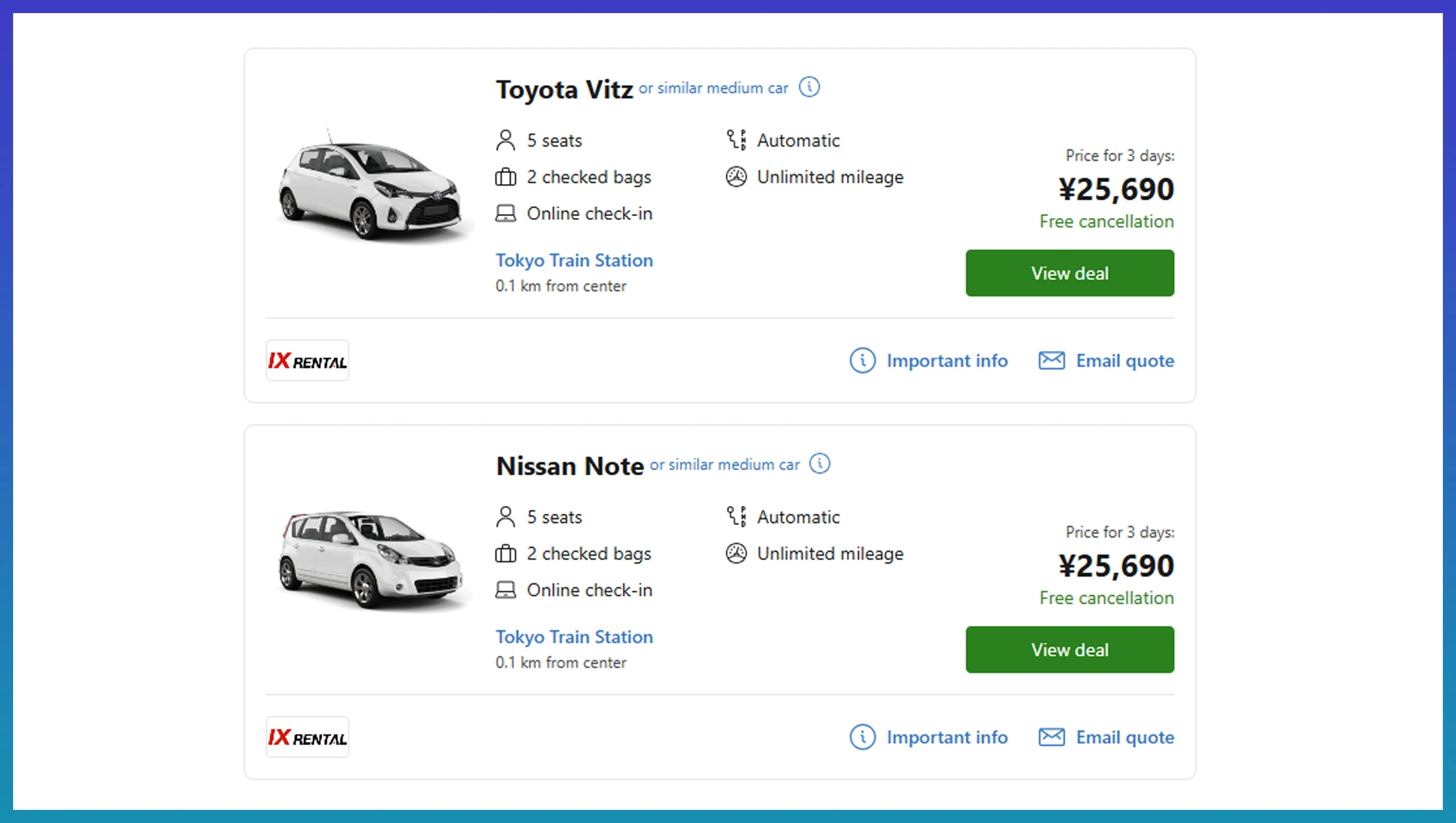
Tokyo and Osaka can show noticeably different used-car pricing patterns because inventory composition, vehicle availability, dealership competition, and buyer preferences vary by region. A structured comparison makes these differences easier to quantify. Automotive Market Research Using Scraped Vehicle Listings in Japan helps organize listing-level information into comparable regional indicators.
Pricing comparisons become more meaningful when analysts examine vehicle age, mileage, model year, body type, fuel type, and transmission alongside asking prices. Price Monitoring Services can support recurring observation of these attributes, helping businesses identify whether regional price movements are temporary changes or part of broader marketplace patterns.
| Comparison Metric | Tokyo | Osaka | Analytical Purpose |
|---|---|---|---|
| Listing volume | 520 | 480 | Supply comparison |
| Median price index | 109 | 100 | Regional pricing |
| Average mileage | 62,000 km | 68,000 km | Usage comparison |
| Average vehicle age | 5.1 years | 5.7 years | Inventory maturity |
A deeper comparison can separate premium vehicles from economy and mid-range segments, preventing overall averages from hiding important pricing differences. Analysts can also examine how frequently similar models appear across both markets and whether lower-mileage vehicles command consistent premiums.
Key evaluation areas include:
- Regional median and average asking prices
- Vehicle age and mileage distribution
- Model-level price differences
- Inventory volume by vehicle segment
- Frequency of premium and economy listings
These observations provide a stronger foundation for understanding how local supply and vehicle characteristics influence market positioning.
Strategic Inventory Patterns Across Major Japanese Automotive Markets
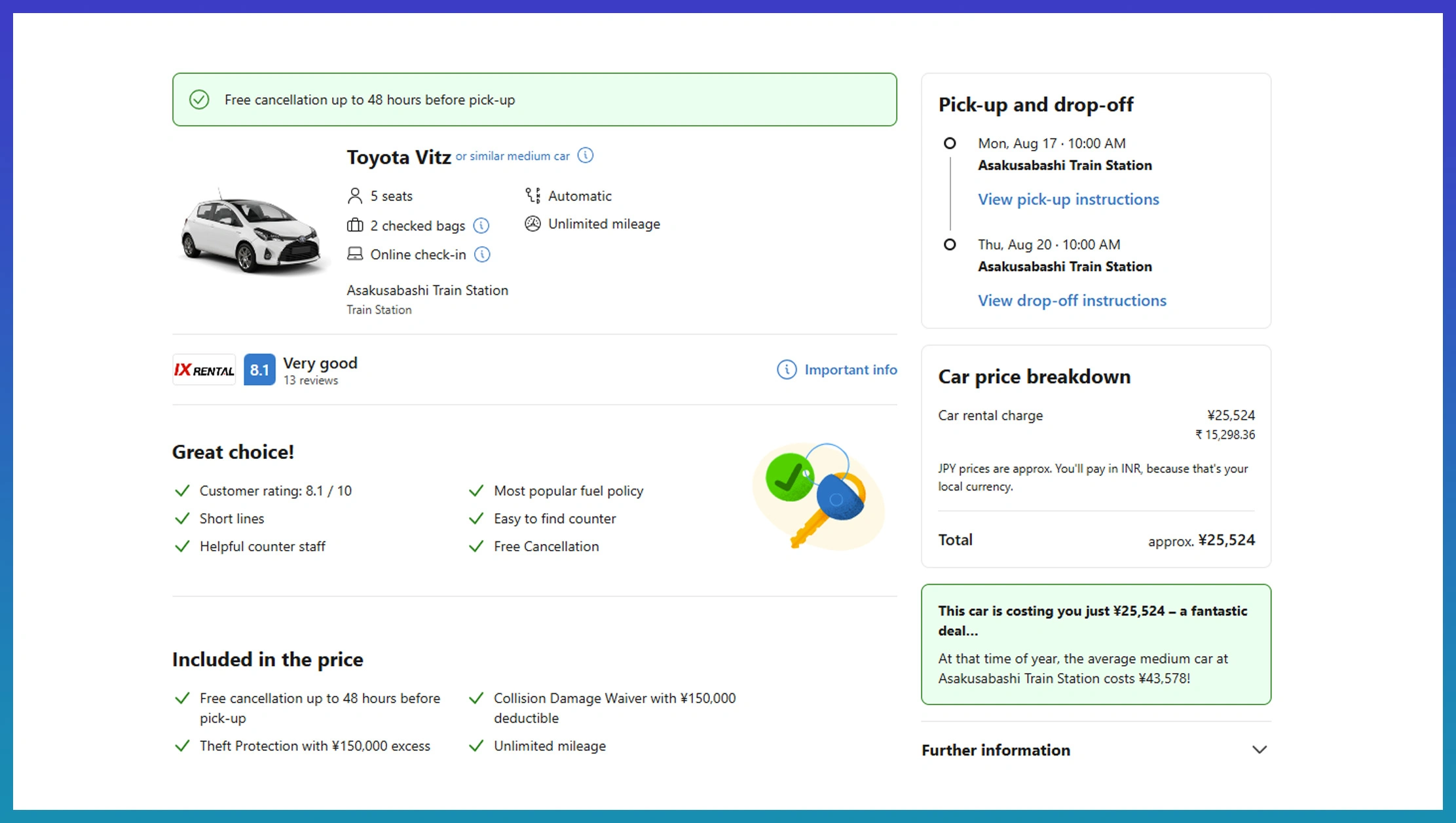
Inventory composition plays an important role in explaining why two metropolitan used-car markets can produce different pricing outcomes. Tokyo may contain a stronger concentration of newer compact vehicles, while Osaka can show varied inventory across practical, family-oriented, and premium segments. Used Car Listing Data Extraction for Automotive Analytics helps structure these differences for systematic evaluation.
A consistent dataset can group listings according to manufacturer, model, year, mileage, fuel type, transmission, and body style. Enterprise Web Crawling can support broader collection when analysts need recurring records from multiple automotive sources and larger geographic coverage.
| Inventory Attribute | Tokyo | Osaka | Comparison Focus |
|---|---|---|---|
| Compact vehicles | 43% | 37% | Segment concentration |
| SUVs | 25% | 29% | Category availability |
| Hybrid vehicles | 32% | 28% | Powertrain mix |
| Premium vehicles | 19% | 15% | Higher-value supply |
Segment-level evaluation can reveal whether a regional price gap comes from genuine market conditions or simply from differences in available vehicle specifications. Comparing equivalent models with similar age and mileage creates a more reliable basis for identifying regional premiums and discounts.
Useful inventory indicators include:
- Manufacturer and model distribution
- Vehicle age across price categories
- Mileage ranges by segment
- Fuel and transmission combinations
- Availability of comparable models
These patterns can assist dealerships, researchers, and automotive analysts in assessing inventory quality while identifying where regional supply conditions may influence pricing and competitive positioning.
Deeper Market Signals From Regional Used Vehicle Listing Comparisons

Turning individual listings into structured observations can reveal broader patterns in automotive demand, pricing, and availability. Market Research becomes more actionable when analysts compare standardized records rather than isolated advertisements. Regional datasets can show how listing frequency, price dispersion, mileage, and vehicle age interact across Tokyo and Osaka.
Tokyo vs Osaka Automotive Pricing Analysis for Used Car Listings can further segment comparable vehicles into defined price bands and model categories. This approach helps determine whether one market consistently carries higher asking prices or whether differences are concentrated within specific vehicle segments.
| Analytical Indicator | Tokyo | Osaka | Strategic Meaning |
|---|---|---|---|
| Listings analyzed | 520 | 480 | Dataset coverage |
| Low-mileage share | 39% | 33% | Vehicle condition |
| Higher-price listings | 22% | 17% | Premium supply |
| Under-segment median | 13% | 16% | Pricing opportunity |
Scrape Second-Hand Car Listings in Japan can provide broader listing coverage for recurring comparisons. With refreshed records, analysts can monitor whether pricing gaps widen, narrow, or remain stable over time while tracking model-specific changes across both markets.
Important analytical applications include:
- Identifying regional pricing gaps
- Comparing model-level availability
- Tracking changes in inventory quality
- Evaluating price dispersion by segment
- Supporting dealership benchmarking
These insights can contribute to more informed sourcing, pricing, inventory planning, and regional strategy decisions while creating a repeatable framework for monitoring Japan's dynamic used-car marketplace.
How Web Fusion Data Can Help You?
For automotive businesses, Tokyo and Osaka Used Car Price Comparison Using Scraped Data can create a repeatable framework for evaluating regional pricing and inventory conditions. We can organize listing information into structured datasets containing vehicle names, prices, mileage, model years, locations, specifications, and listing URLs.
Key capabilities can support automotive data projects through:
- Collecting used-car listings from multiple relevant sources
- Standardizing vehicle specifications for regional comparison
- Tracking price changes across selected models and segments
- Organizing mileage, age, transmission, and fuel-type attributes
- Supporting scheduled data collection for recurring analysis
- Preparing structured datasets for dashboards and business intelligence
The resulting data can help teams evaluate supply patterns, identify pricing differences, monitor competitive positioning, and assess regional opportunities. With Scrape Second-Hand Car Listings in Japan, businesses can maintain a broader view of marketplace conditions and use refreshed information for recurring automotive analytics and strategic planning.
Conclusion
Tokyo and Osaka Used Car Price Comparison Using Scraped Data provides a practical way to evaluate regional pricing, inventory quality, and vehicle-level differences through structured listing information. When data is collected consistently, businesses can compare market signals across locations and identify patterns that may remain difficult to observe through manual research alone.
For deeper automotive intelligence, Used Car Listing Data Extraction for Automotive Analytics can support structured evaluation of pricing, mileage, vehicle age, availability, and model-level trends. Get in touch with Web Fusion Data today to build a customized used-car data solution for your automotive market analysis.