Introduction
Grocery retail pricing in the United States shifts dramatically from one neighborhood to the next. Relying on national averages obscures critical regional price gaps and sudden inventory shortages. Implementing US Grocery Data Collection by Zip Code bridges this visibility gap, allowing brands and retailers to monitor exact shelf conditions across all 50 states.
Supermarket chains dynamically adjust item costs based on local demographic profiles, regional supply chain expenses, and immediate neighborhood competition. Without granular Zip Code-Based Grocery Price Monitoring, category managers miss vital regional pricing fluctuations. Capturing hyper-local datasets ensures accurate competitive benchmarking and prevents margin erosion across diverse metropolitan and rural markets.
Automated extraction workflows eliminate the manual labor of checking thousands of storefront portals individually. By deploying structured Grocery Data Scraping by Zip Code, businesses gather accurate product assortments, promotional discounts, and stock statuses in real time, transforming raw storefront listings into actionable retail intelligence.
Understanding Regional Supermarket Price Variations Across Every State
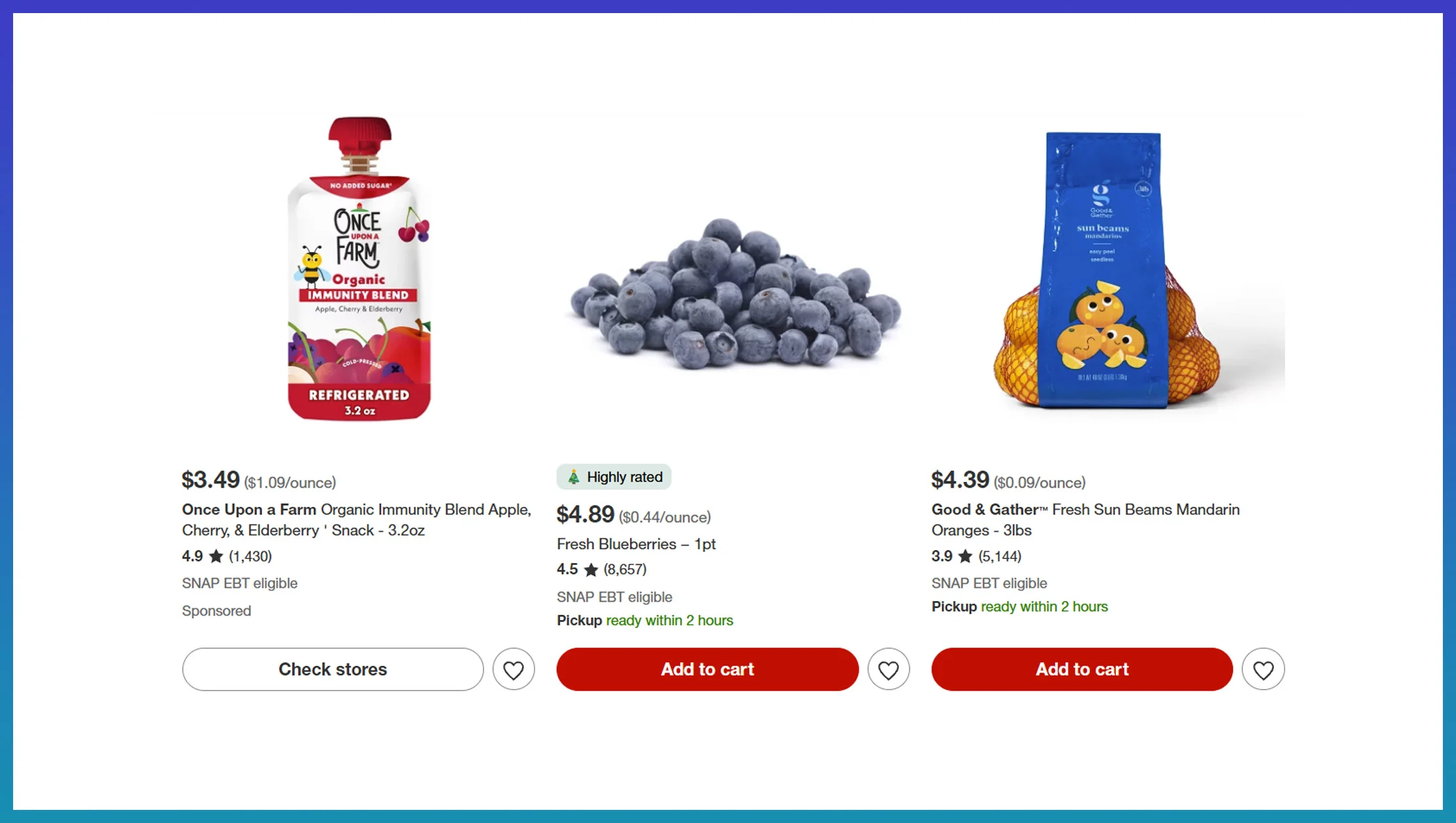
Supermarket pricing varies significantly across state lines and even between adjacent postal codes within the same metropolitan area. Factors such as local minimum wage ordinances, state grocery taxes, freight distances, and commercial real estate overhead compel national retail chains to operate hyper-localized pricing tiers. Studies in retail analytics consistently indicate that identical household staples can fluctuate between 15% and 28% when comparing coastal urban centers to suburban Midwest neighborhoods.
Executing continuous Local Grocery Pricing and Availability Tracking in the middle of daily commercial workflows uncovers these exact geographic price zones. Instead of guessing how a regional banner prices a multipack of sparkling water or organic produce, category analysts map precise cost curves across thousands of delivery territories. This granular visibility prevents brands from misinterpreting regional promotional dips as permanent nationwide price reductions.
Integrating reliable Store-Level Grocery Pricing Data directly into enterprise revenue management models helps consumer packaged goods manufacturers negotiate fairer wholesale terms and enforce strict Minimum Advertised Price compliance across independent distributors.
- Freight and Logistics Surcharges: Rural postal codes located far from regional distribution hubs frequently carry higher shelf markups to offset last-mile delivery fuel and labor expenses.
- Competitive Density Impact: Neighborhoods with three or more competing supermarket banners within a five-mile radius exhibit aggressive loss-leader discounting on dairy, bakery, and fresh produce staples.
- Local Tax and Regulatory Costs: Municipal sugar taxes, bottle deposits, and regional packaging fees directly alter final checkout totals across neighboring state borders.
| Region / State Sample | Zip Code | Gallon of Organic Milk | Loaf of Whole Wheat Bread | 12-Count Large Eggs | Regional Variance vs. National Avg |
|---|---|---|---|---|---|
| New York, NY | 10001 | $6.49 | $4.79 | $5.29 | +22.4% |
| Austin, TX | 78701 | $4.89 | $3.49 | $3.69 | -8.1% |
| Chicago, IL | 60611 | $5.39 | $3.99 | $4.19 | +3.5% |
| Seattle, WA | 98101 | $6.19 | $4.49 | $4.99 | +16.8% |
| Columbus, OH | 43215 | $4.59 | $3.19 | $3.39 | -13.6% |
Leveraging accurate Grocery Price Tracking by Zip Code provides the empirical foundation required to calibrate regional promotional budgets, eliminate channel conflict, and protect overall brand equity nationwide.
Monitoring Real-Time Shelf Availability and Regional Stockout Trends
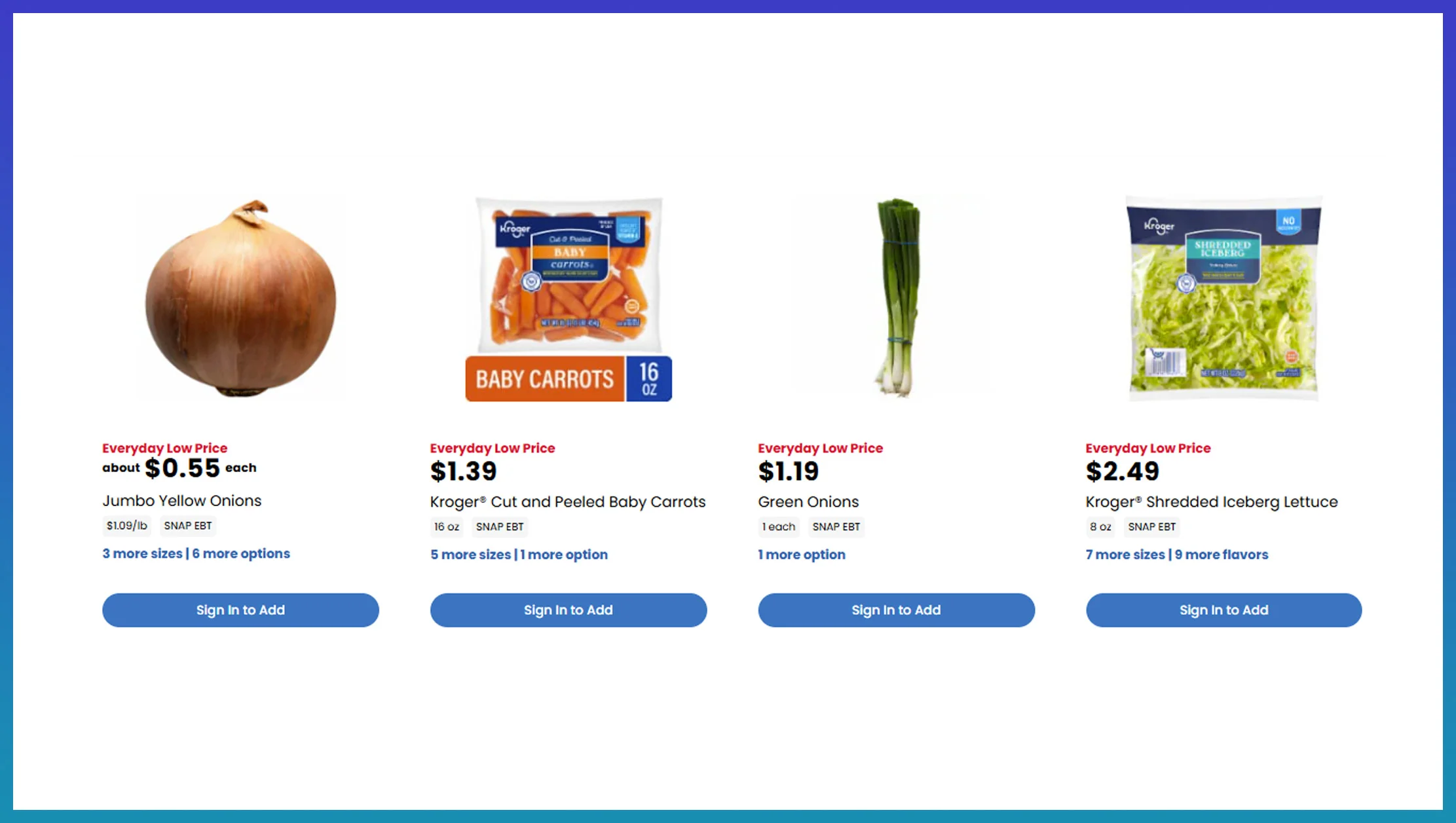
Price visibility delivers very little commercial value if an item is completely unavailable when a shopper attempts to place an online order. Supply chain disruptions, severe seasonal weather shifts, and sudden spikes in local consumer demand frequently trigger localized stockouts that aggregated national inventory reports fail to detect. According to retail industry benchmarks, out-of-stock rates in online grocery average between 6% and 9%, costing retailers billions of dollars in lost annual revenue.
Deploying modern Grocery Product Data Scraping across digital storefronts solves this operational blind spot by capturing live availability indicators—such as in-stock, low-stock, and out-of-stock labels—at the individual branch level. When supply chain managers spot early depletion signals in specific counties, they can reroute warehouse pallets before empty shelves erode shopper loyalty.
Understanding How to Scrape Grocery Prices by Zip Code alongside real-time stock statuses enables commercial teams to pinpoint regional fulfillment bottlenecks and measure true on-shelf availability across competing supermarket banners.
- Weather-Driven Demand Spikes: Localized storm warnings trigger immediate pantry-loading surges that empty bottled water, canned goods, and bread shelves within hours across affected postal zones.
- Micro-Fulfillment Bottlenecks: High-volume urban dark stores often run out of popular refrigerated SKUs faster than suburban supercenters served by larger regional distribution centers.
- Competitor Substitution Tracking: Monitoring when rival brands sell out reveals prime opportunities to capture displaced shoppers through targeted local digital advertising.
| Inventory Metric | National Dashboard View | Postal-Level Extraction View | Operational Impact |
|---|---|---|---|
| Stock Availability Rate | 94.2% (Aggregated) | 78.5% in Urban Areas | Identifies high-turnover urban shortages |
| Substitution Frequency | Not Visible | Tracked per SKU & Store | Reveals which rival brands win lost sales |
| Promotional Stockouts | Delayed by 7–14 Days | Updated Every 4 Hours | Allows rapid mid-campaign inventory shifts |
| Regional Assortment Gaps | Broad Category Level | Exact SKU-to-Store Mapping | Pinpoints under-distributed product variants |
When organizations Collect Grocery Product Prices Across Multiple Zip Codes on a recurring schedule, they simultaneously build an early-warning radar for regional replenishment, ensuring high-velocity items remain consistently accessible to local consumers.
Scaling Automated Nationwide Storefront Extraction Without Technical Bottlenecks
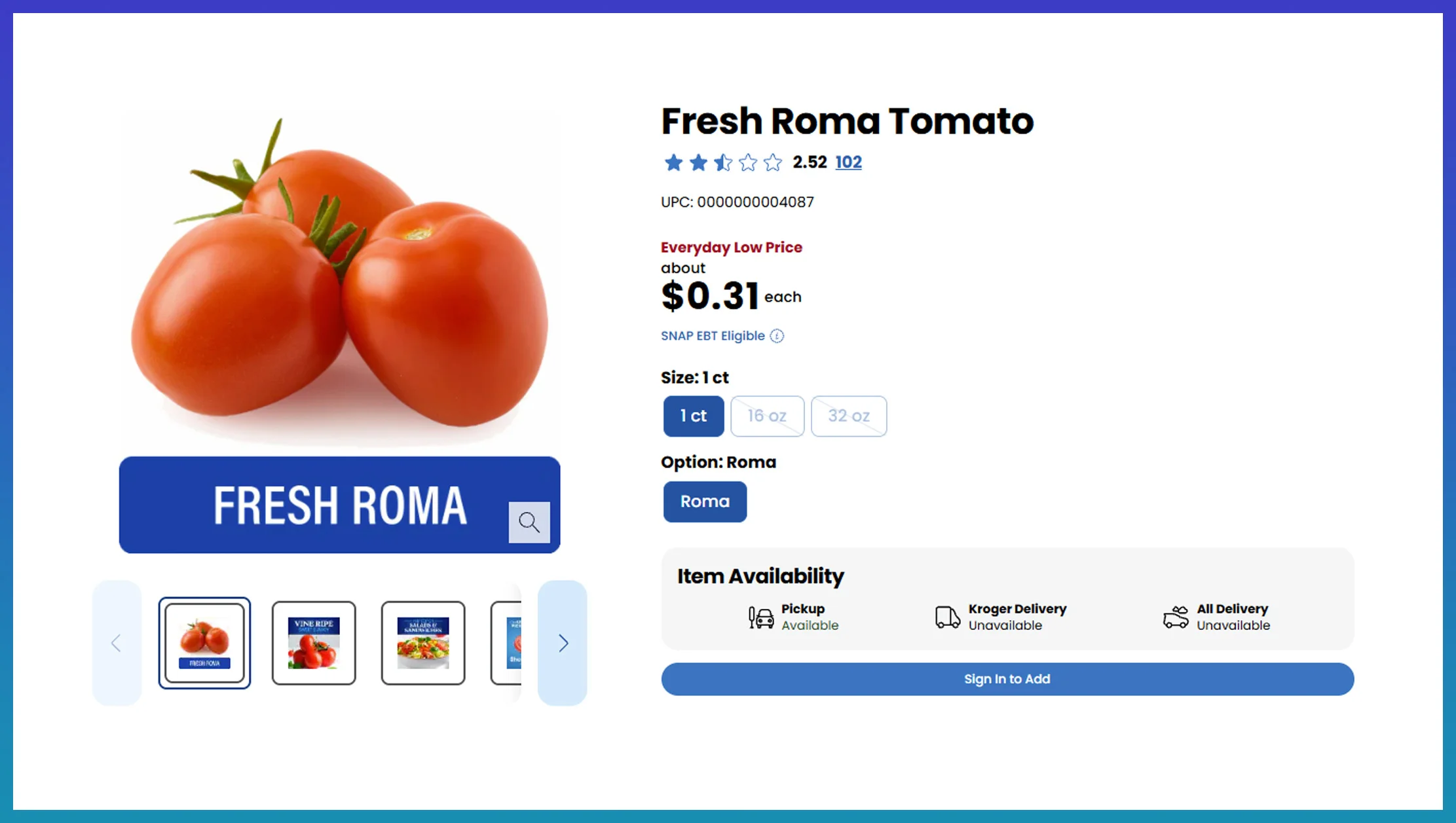
Manually inputting thousands of postal codes into dozens of supermarket websites triggers strict anti-bot defenses, CAPTCHA challenges, and immediate IP address blocks. Scaling commercial data operations across more than 41,000 active US postal territories requires resilient cloud infrastructure capable of simulating authentic local shopper sessions without interruption or data corruption.
Implementing a dedicated Grocery Scraping API streamlines this complex engineering workload by automating residential proxy rotation, dynamic session cookie handling, and headless browser rendering. Rather than dedicating internal developers to constant script maintenance whenever a retailer updates its frontend layout, analytics teams receive uninterrupted streams of validated storefront records.
Utilizing automated Location-Based Grocery Product Data Extraction allows enterprise organizations to bypass geographic storefront restrictions and ingest clean, normalized JSON or CSV feeds directly into their internal cloud data warehouses.
- Dynamic Location Selector Handling: Automated session scripts accurately populate retailer delivery-zone modals to unlock hyper-local store catalogs and region-specific promotional flyers.
- Cross-Banner Schema Normalization: Standardized parsing pipelines align inconsistent pack sizes, unit weights, and brand naming conventions across competing national and regional grocers.
- Automated Quality Validation: Built-in anomaly detection flags missing price fields, broken currency formats, or duplicate product listings prior to final dataset delivery.
| Extraction Capability | Manual / In-House Scripts | Enterprise Automated Pipeline | Business Advantage |
|---|---|---|---|
| Geographic Coverage | 50 – 200 Postal Zones | 41,000+ US Postal Zones | Complete nationwide market visibility |
| Data Refresh Cadence | Weekly or Monthly | Real-Time / Hourly | Captures flash sales and dynamic repricing |
| Schema Normalization | High Manual Cleaning | Unified Cross-Retailer Schema | Instant BI and analytics readiness |
| Anti-Bot Resilience | Frequent Script Failures | 99.9% Uptime SLA | Uninterrupted daily data delivery |
Integrating a reliable Multi-Retailer Grocery Product Data Collection API empowers data science teams to focus on predictive demand modeling and commercial pricing strategy rather than troubleshooting fragile web scrapers.
How Web Fusion Data Can Help You?
Building and maintaining reliable extraction pipelines across hundreds of regional supermarket chains requires specialized engineering resources. We simplify enterprise US Grocery Data Collection by Zip Code by delivering clean, structured, and ready-to-use datasets tailored to your exact geographic targets.
Our managed data solutions empower retail brands, CPG manufacturers, and market researchers through key operational capabilities:
- Automated scheduling that captures daily or hourly storefront updates across all 50 states without internal server maintenance.
- Granular postal code targeting capable of covering every active urban, suburban, and rural delivery zone nationwide.
- Intelligent anti-blocking architecture that seamlessly navigates dynamic web layouts and complex location selectors.
- Standardized data schemas that unify product titles, pack sizes, unit prices, and promotional tags across competing banners.
- Custom delivery pipelines supporting direct integration via cloud storage buckets, webhooks, or structured flat files.
- Dedicated quality assurance protocols that validate extracted records for completeness, accuracy, and duplicate removal.
Partnering with our engineering team eliminates technical bottlenecks and equips your commercial analysts with reliable Grocery Pricing Intelligence to drive smarter, faster retail decisions.
Conclusion
Navigating the complexities of modern American food retail demands far more than broad national averages or delayed syndicated reports. When enterprises implement US Grocery Data Collection by Zip Code, they uncover the hidden regional price tiers, promotional shifts, and localized stockouts that define real-world consumer behavior, while Grocery Data Scraping by Zip Code ensures every SKU is tracked accurately across diverse state markets.
Sustaining long-term profitability requires continuous visibility into how competitors adjust shelf prices and manage regional fulfillment from coast to coast. By adopting Store-Level Grocery Pricing Data, brands and retailers gain the clarity needed to optimize margins, prevent out-of-stock losses, and execute winning regional strategies. Contact Web Fusion Data today to schedule a free consultation and request your custom sample dataset.