Introduction
The real estate sector across the United States is evolving at a rapid pace, driven by fluctuating demand, changing buyer preferences, and increasingly complex market dynamics. For businesses, investors, and analysts, accessing reliable and timely property data has become a fundamental requirement rather than a luxury. USA Real Estate Market Intelligence Using Property Listing Data has emerged as a cornerstone strategy for organizations aiming to stay competitive and make decisions rooted in real numbers rather than assumptions.
Traditional methods of analyzing housing markets often fall short when dealing with the volume and variety of information spread across thousands of listings, platforms, and geographic regions. Professionals working in property valuation, investment advisory, and market forecasting need structured data pipelines that continuously deliver accurate insights. With Real Estate Data Scraping in USA, firms can now build scalable systems that automate the collection of listing details, price trends, neighborhood statistics, and rental comparisons across the country.
Beyond data collection, the true value lies in how this information is transformed into meaningful intelligence. When properly structured and analyzed, property data helps businesses forecast demand shifts, evaluate neighborhood growth trajectories, and make well-timed investment decisions. Organizations that integrate US Housing Market Data Scraping for Data Analytics into their workflows gain the ability to monitor market movements in real time, ensuring that their strategies are always aligned with current conditions rather than outdated records.
The Client Story
A mid-sized real estate consulting firm operating across several major US metropolitan areas approached us with a clear but complex challenge. Their existing research methods depended heavily on manually gathered data, which limited both the volume and the accuracy of the insights they could generate. The foundation of their new strategy would be built on USA Real Estate Market Intelligence Using Property Listing Data to ensure consistency and depth across all their markets.
The firm's analysts were struggling to monitor fast-moving trends in housing inventory, which often changed significantly within short timeframes. They required a solution that could capture Property Listing Data Extraction for Housing Market Trends Across the United States on a recurring basis, covering residential sales listings, rental postings, and newly developed properties. Their goal was to create a unified intelligence layer that their team could reference when advising clients on acquisitions, portfolio management, and market entry timing.
Additionally, they were keen on understanding the pricing gap between different property categories, particularly between owned and rented homes across suburban and urban zones. Systematic Web Scraping Property Prices and Rental Data in the US was identified as a critical capability they lacked entirely. They needed us to design a comprehensive data solution that would close all these gaps and deliver structured, ready-to-use information at regular intervals.
The Challenges
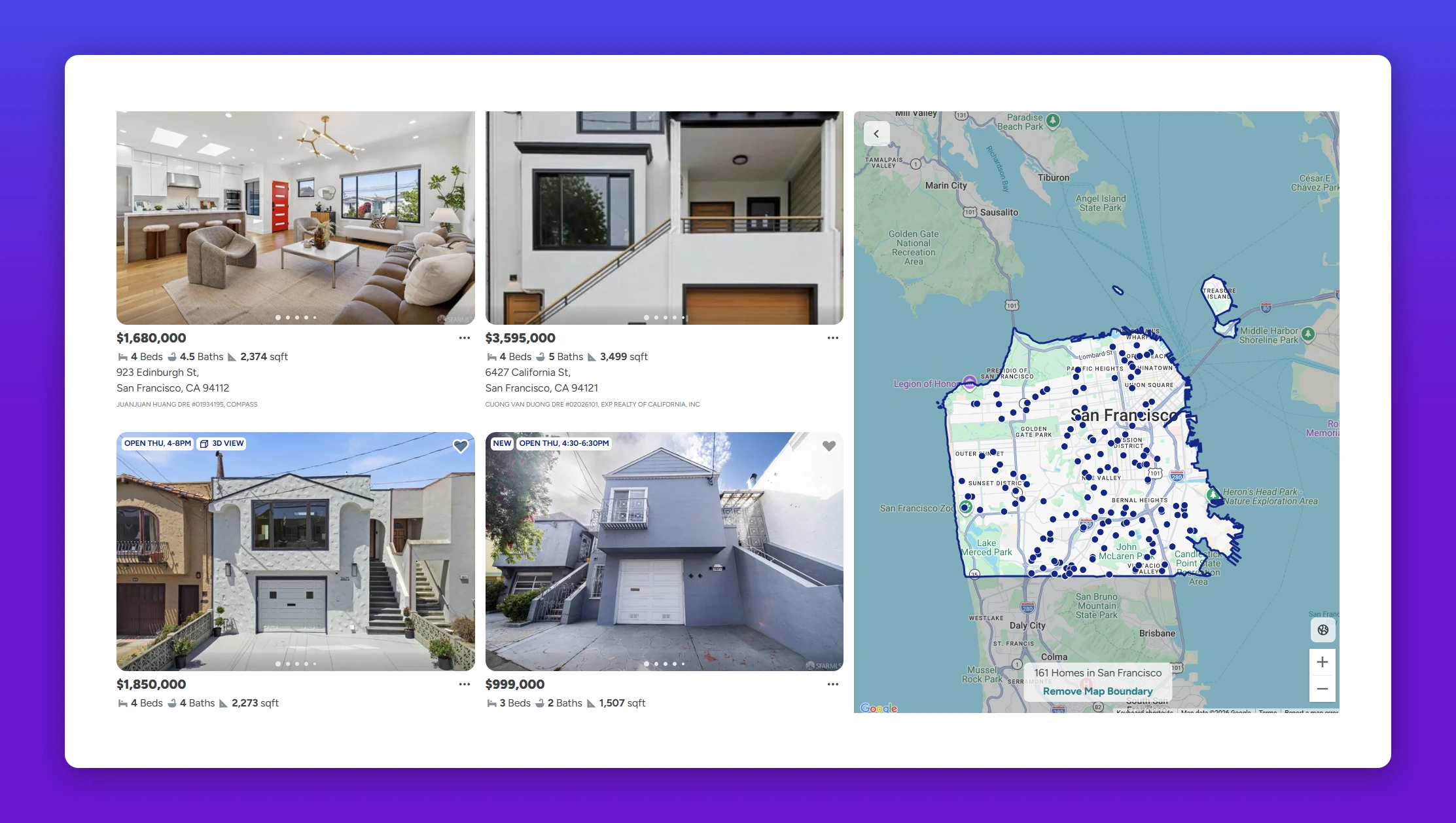
Despite operating with an experienced team, the consulting firm encountered persistent difficulties that prevented them from scaling their analytical capabilities. Their reliance on public records and manual research created bottlenecks that slowed down the delivery of client reports and reduced confidence in the accuracy of their recommendations.
The core obstacles they faced included:
- Fragmented data sources spread across dozens of regional and national property platforms, making unified analysis nearly impossible without significant manual effort.
- Inability to perform consistent Housing Property Listings Data Scraping for US markets, which left critical gaps in their understanding of inventory movement and price fluctuations.
- Delayed reporting cycles caused by slow data gathering, which meant clients often received insights that no longer reflected current market realities.
- Absence of rental market integration, preventing the firm from comparing buy-versus-rent dynamics across metropolitan and suburban zones.
- Limited competitive benchmarking due to the lack of a systematic way to compare pricing strategies and listing activity across competing agencies and developers.
- No structured sentiment layer, which made it difficult to understand how buyer and renter perception influenced demand in specific zip codes or neighborhoods.
These gaps collectively hampered the firm's ability to position itself as a high-value research partner for its clients. Without a reliable framework, they risked losing credibility in a market where data precision directly influences client trust.
The Solutions
We developed a tailored data infrastructure designed specifically around the firm's operational requirements and market scope. Rather than offering a generic approach, the team mapped out a structured solution that addressed each pain point with a targeted methodology, ensuring both depth and scalability throughout the engagement.
The key solutions implemented included:
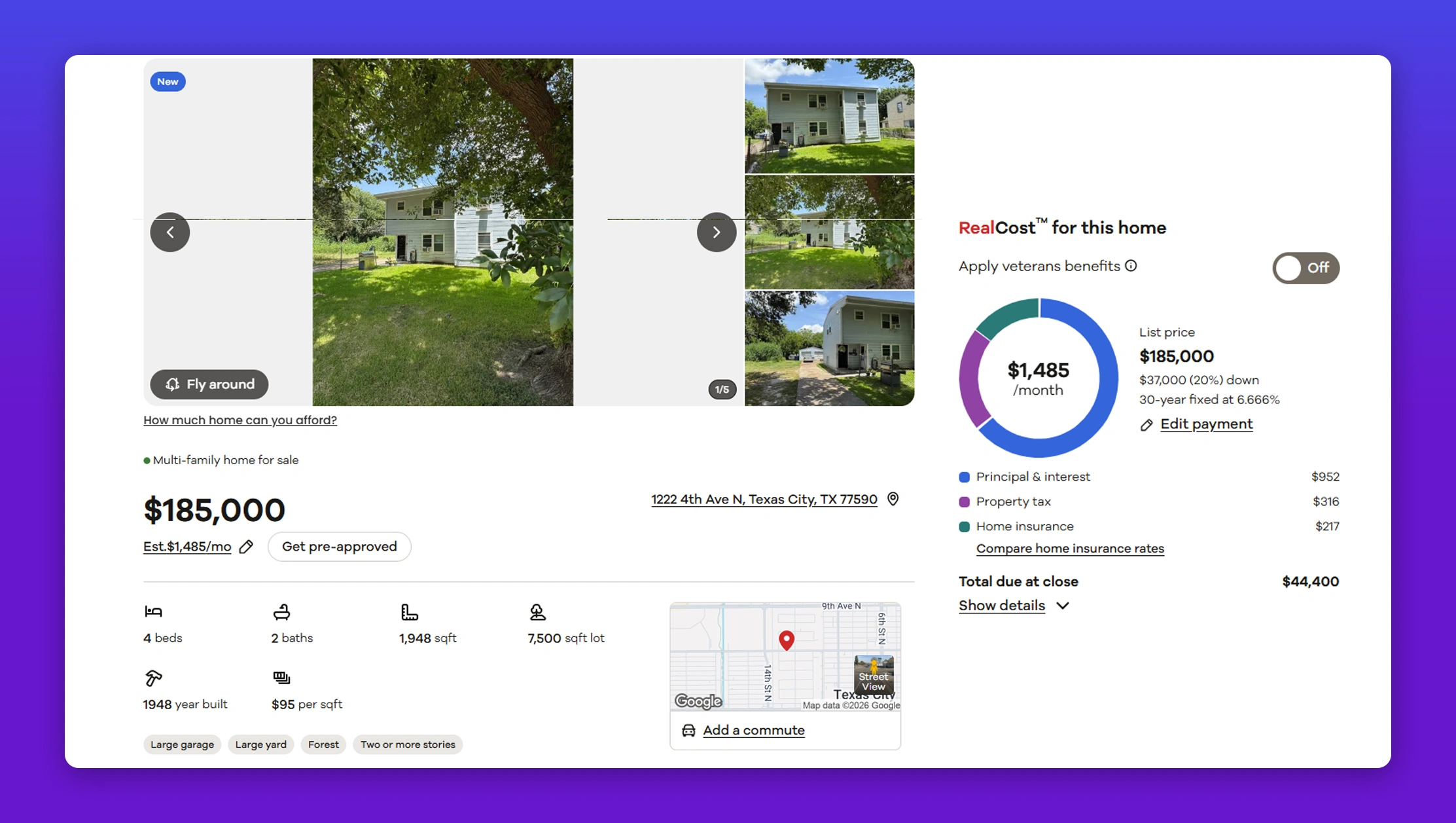
- End-to-end automated pipelines built to handle Property Listing Data Extraction for Housing Market Trends Across the United States, capturing new and updated listings across residential, commercial, and rental categories on a scheduled basis.
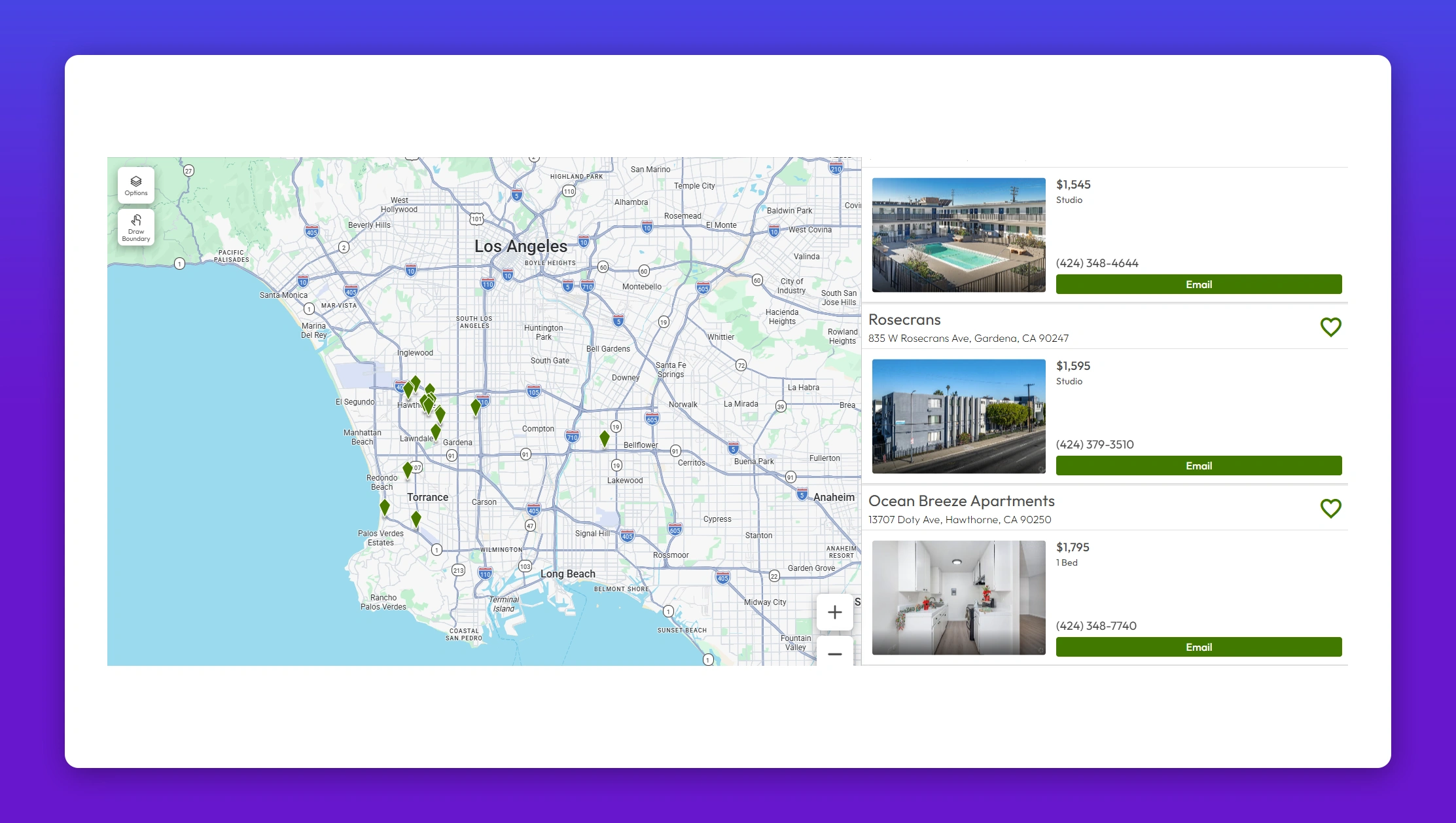
- Dedicated rental tracking modules enabling Web Scraping Property Prices and Rental Data in the US across urban cores and surrounding suburban zones, supporting direct buy-versus-rent analysis for client advisory reports.
- Real-time dashboards displaying listing volumes, average price movements, days-on-market metrics, and region-specific demand indicators, all updated continuously from live data feeds.
- Structured datasets sourced from Real Estate Property Datasets repositories, integrated with the firm's existing CRM and reporting tools to minimize workflow disruption.
- Competitive intelligence layers that tracked how similar properties were being listed, priced, and updated by competitors, offering strategic benchmarking at both the city and neighborhood level.
- Sentiment and review aggregation built on Ratings and Reviews Analysis frameworks to surface buyer and renter perception trends, helping the firm understand emotional drivers behind demand patterns.
Together, these components formed a cohesive intelligence system that replaced the firm's fragmented, manual approach with an automated, reliable, and scalable data environment. Every solution was tested against real datasets before deployment, ensuring accuracy and stability from day one.
Real Estate Intelligence in Action: Key Metrics Overview
| Intelligence Area | Research Goal | Approach Used | Result Delivered | Impact Score |
|---|---|---|---|---|
| Listing Price Monitoring | Track regional price shifts | Automated listing extraction | 94% data accuracy | High |
| Rental Rate Benchmarking | Compare rent across city zones | Multi-platform rental scraping | 38% faster analysis | High |
| Inventory Volume Tracking | Monitor supply changes | Scheduled pipeline updates | Real-time inventory view | Medium-High |
| Neighborhood Demand Analysis | Identify demand hotspots | Geo-tagged data clustering | 5 high-growth zones flagged | High |
| Competitor Listing Activity | Benchmark rival strategies | Cross-platform comparison | 27% improvement in pricing | Medium |
| Buyer Sentiment Mapping | Understand buyer priorities | Review aggregation & scoring | Sentiment accuracy: 91% | High |
This structured breakdown illustrates how each intelligence area directly contributes to better decision-making outcomes for real estate businesses. By moving from manual methods to automated, precision-driven data collection, firms can reduce research cycles, improve forecast accuracy, and deliver stronger recommendations to their clients.
Benefits of Choosing Web Fusion Data
Selecting the right data intelligence partner is as important as the data itself. We bring a combination of technical expertise, domain knowledge, and delivery discipline that translates directly into measurable business value for clients across sectors.
-
Precision-Driven Data Collection
Every dataset delivered through Housing Property Listings Data Scraping for US markets is validated for accuracy and completeness, ensuring that businesses receive structured, analysis-ready information without the burden of manual cleaning or quality checks. -
Market-Wide Coverage Advantage
With capabilities spanning hundreds of cities and zip codes, clients benefit from a truly national view of property trends, giving their strategies a breadth that single-source data providers simply cannot match. -
Smooth Workflow Integration
Extracted datasets are formatted to align with leading analytics platforms, BI tools, and internal dashboards, allowing teams to begin deriving insights immediately without technical reconfiguration. -
Dynamic Pricing Intelligence
By continuously monitoring listing price changes, rental rate shifts, and historical comparisons, businesses gain a clear picture of how value is moving across different property types and geographic segments. -
Scalable Infrastructure Design
Our systems are built to grow alongside client needs, making it simple to expand coverage, add new data categories, or increase update frequency as business requirements evolve. -
Informed Competitive Positioning
Through Market Research and Insight Analysis, clients receive structured intelligence on competitor activity, enabling smarter positioning, better pricing decisions, and faster responses to market shifts.
Client's Testimonial
Working with Web Fusion Data has fundamentally changed how our analysts approach market research. The structured property data they deliver through USA Real Estate Market Intelligence Using Property Listing Data has allowed us to cut our research turnaround time by nearly half. The rental benchmarking module, developed through Web Scraping Property Prices and Rental Data in the US, gave us insights we simply did not have access to before, and our clients have noticed the difference in the quality of our recommendations.
– Director of Research Strategy, US Real Estate Consulting Group
Conclusion
This engagement highlights the measurable difference that purpose-built data infrastructure can make for real estate businesses navigating complex, fast-moving markets. By implementing a comprehensive approach centered on USA Real Estate Market Intelligence Using Property Listing Data, the consulting firm moved from reactive, manual research methods to a proactive, always-current intelligence model that directly improved the quality and speed of their client deliverables.
The results speak for themselves — faster reporting cycles, more accurate pricing recommendations, and a broader understanding of market dynamics that would have been impossible to achieve through traditional methods. With US Housing Market Data Scraping for Data Analytics embedded into their core workflow, the firm now operates with a level of market awareness that positions them as a truly data-driven advisory partner.
If your organization is ready to transform how it accesses, interprets, and acts on property market data, we are here to help. Contact Web Fusion Data today to discuss your specific requirements and learn how our tailored data solutions can support your business goals.