Introduction
Consumer electronics buyers increasingly rely on peer reviews before choosing a device, accessory, or appliance online. On marketplaces such as Snapdeal, review patterns reveal not only satisfaction levels but also hidden demand signals that influence conversion rates. Retailers who monitor product sentiment, recurring complaints, and praise trends can adjust listings, pricing, and promotions to improve category performance.
Retailers often miss valuable insights when review data remains unstructured across thousands of listings. By collecting large volumes of product feedback, brands can identify top-selling features, recurring defects, and preferred brands across categories such as smartphones, wearables, and appliances. The role of E-Commerce Data Intelligence becomes essential in converting raw review text into strategic sales actions.
As online competition intensifies, retailers need faster ways to understand what customers value. Web Scraping Snapdeal Product Reviews for Analytics provides measurable visibility into customer expectations, helping retailers reduce guesswork and improve merchandising decisions. By integrating analytics into sales planning, businesses can make more accurate product recommendations, strengthen positioning, and align promotions with actual buyer interests.
Understanding Buyer Behavior Through Marketplace Review Signals
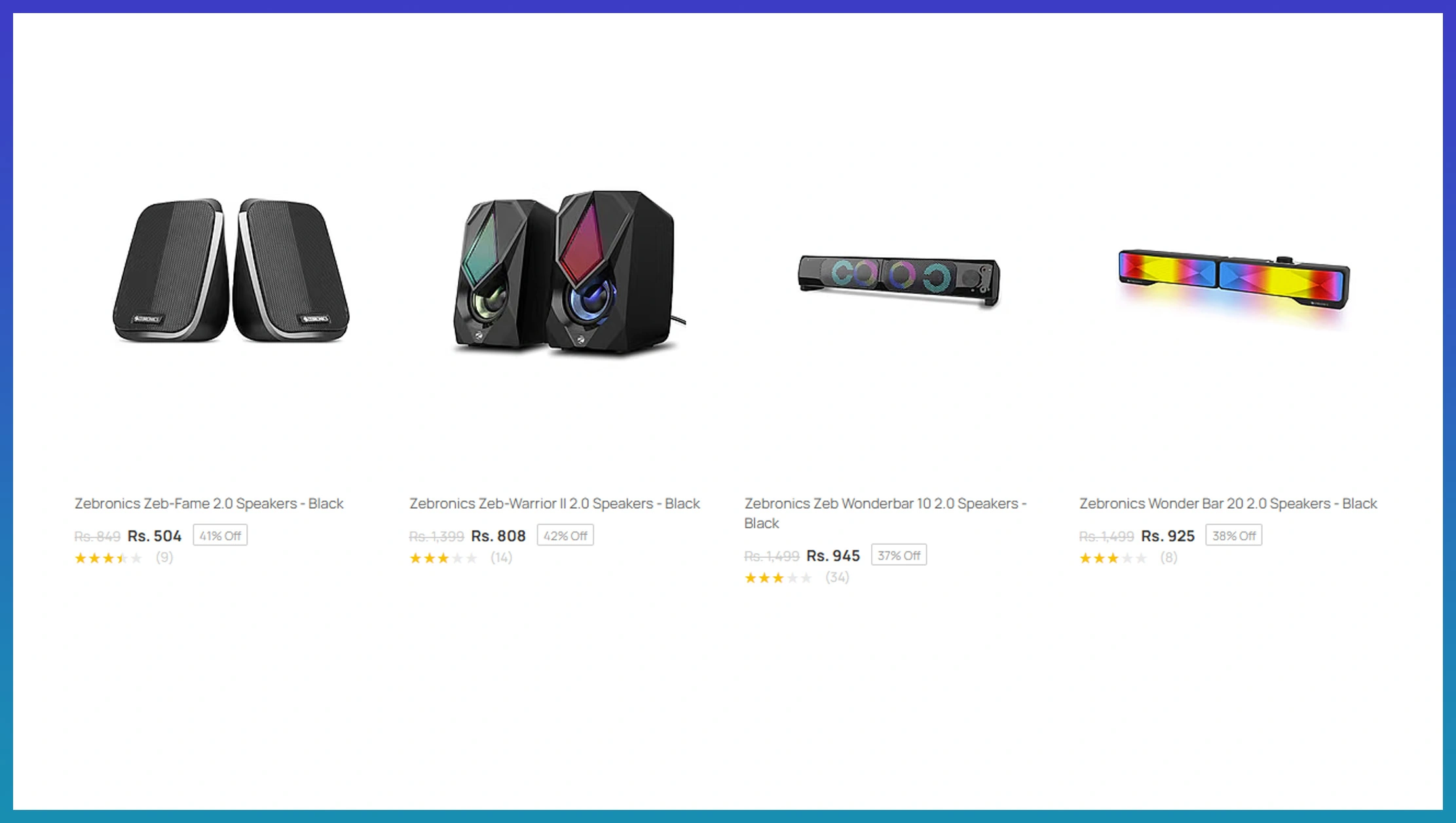
Electronics retailers often struggle to interpret why certain products perform better than others across online channels. Reviews offer a direct view into buyer decisions, highlighting preferences such as product durability, design appeal, pricing expectations, and service satisfaction. Studying these patterns helps retailers identify what encourages purchases and what creates hesitation among customers.
The value of Electronics Marketplace Scraping for Snapdeal lies in its ability to collect large-scale customer feedback from multiple product listings in one workflow. By organizing reviews into structured datasets, retailers can compare demand for different brands, monitor feature popularity, and evaluate product reception in specific categories. This allows retailers to understand which models attract repeat purchases and which listings require optimization.
When paired with Product Matching Services for E-Commerce, businesses can align identical products across sellers and marketplaces, improving consistency in pricing and stock planning. Customer review insights also highlight recurring issues such as delayed delivery, packaging concerns, or product quality gaps. Retailers can use these findings to improve supplier selection and reduce negative customer experiences.
| Review Metric | Strategic Insight | Sales Impact |
|---|---|---|
| Feature mentions | Buyer preference | Better assortment |
| Complaint frequency | Quality gaps | Reduced returns |
| Brand comparison | Market positioning | Improved targeting |
| Repeat praise | Product popularity | Higher conversions |
These insights provide a reliable foundation for aligning product strategies with real consumer expectations, helping retailers strengthen performance in highly competitive electronics categories.
Converting Customer Feedback Into Actionable Decisions
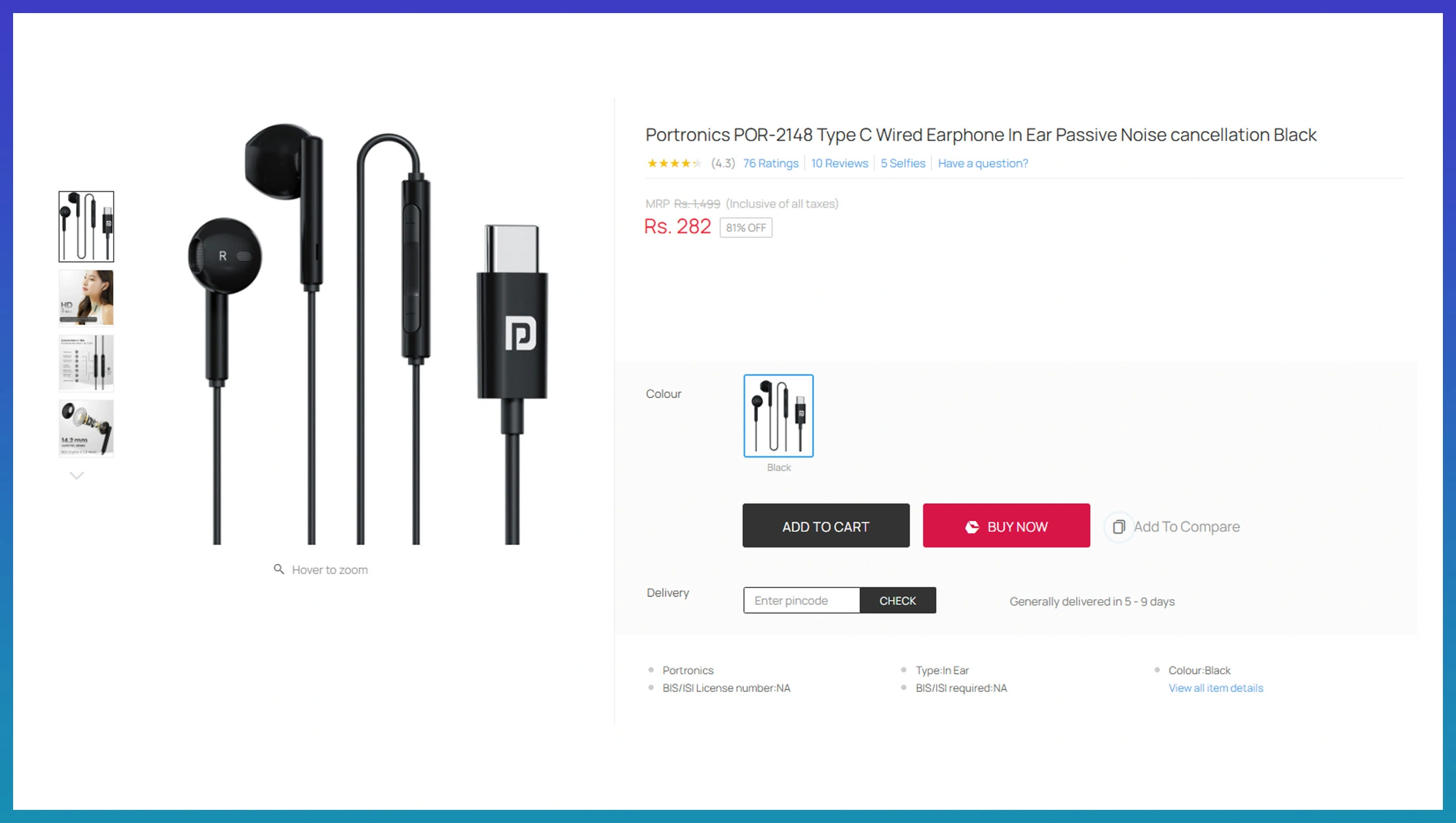
Customer opinions can significantly influence electronics sales, especially when products have similar features and pricing. Retailers that analyze review sentiment gain a clearer understanding of satisfaction trends, product acceptance, and emerging demand patterns. This allows them to act quickly on customer expectations and improve category performance.
Using Extract Electronics Marketplace Reviews and Ratings, retailers can classify product reviews based on rating levels, sentiment, and recurring mentions. These patterns reveal what customers appreciate most, such as battery life, delivery speed, or value for money. At the same time, recurring negative remarks show operational gaps that may affect repeat purchases.
With Ratings and Reviews Analysis, retailers can transform raw text into measurable indicators for campaign planning, product placement, and customer retention strategies. Structured review analysis also supports better forecasting. For example, a rise in positive reviews for specific electronics accessories may indicate growing seasonal demand. Retailers can then increase stock availability and adjust promotions accordingly.
| Sentiment Category | Common Findings | Business Response |
|---|---|---|
| Positive | Feature satisfaction | Boost visibility |
| Neutral | Product comparison | Refine listings |
| Negative | Performance concerns | Supplier review |
| Mixed | Service inconsistency | Improve support |
When review sentiment is consistently tracked, retailers build stronger market understanding and improve their ability to align products with changing consumer expectations across the electronics segment. Insights from review trends also help identify underperforming products before they affect overall sales.
Building Stronger Category Strategies With Data Insights
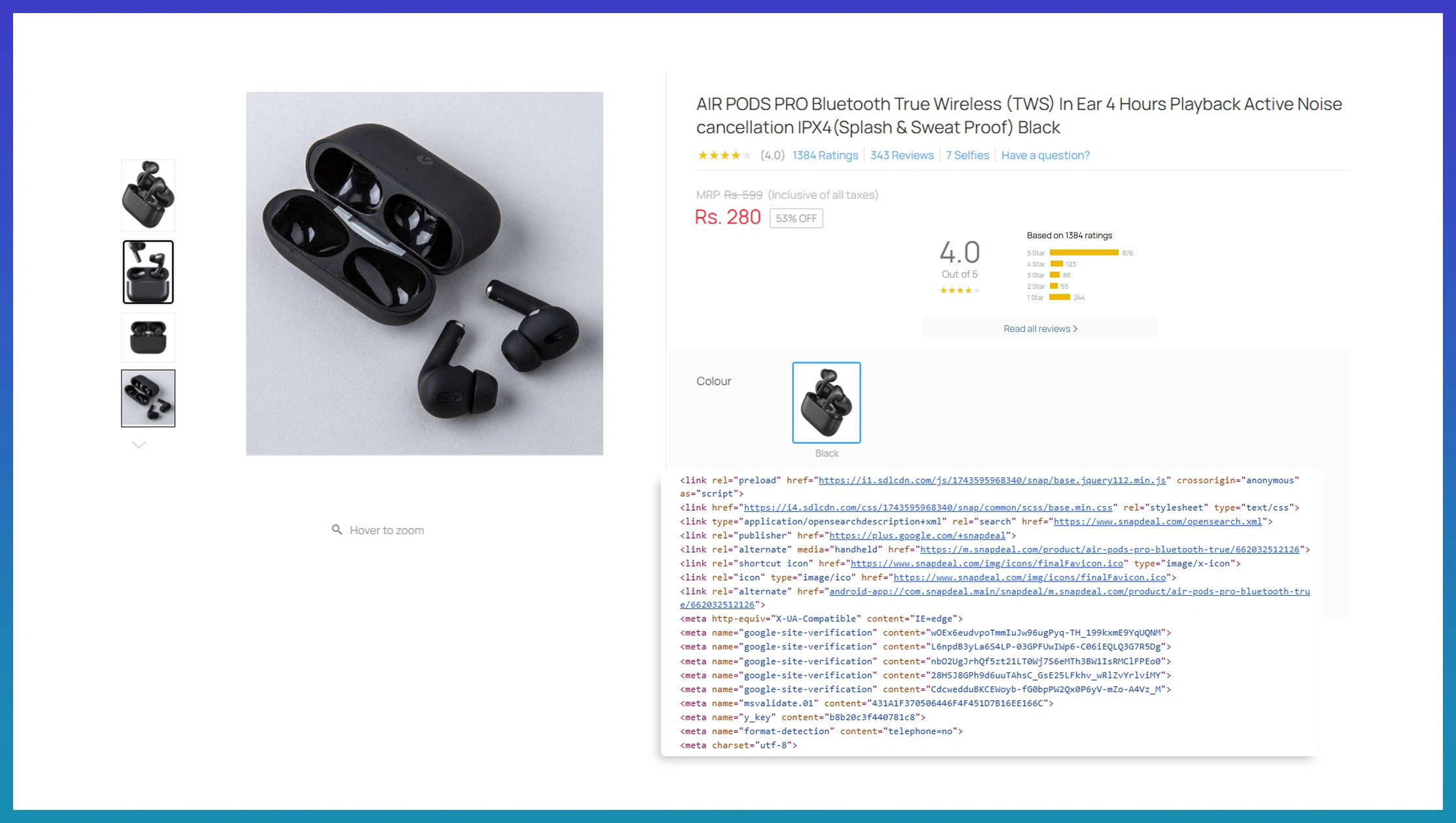
Competitive electronics retail requires continuous monitoring of market feedback and consumer trends. Reviews provide valuable evidence about why some brands outperform others, helping retailers refine product selection and marketing approaches. This improves campaign effectiveness and strengthens customer trust.
Through Snapdeal Electronics Data Scraping in India, retailers can evaluate product reception across regions, identify category leaders, and compare buyer sentiment for competing brands. This regional understanding helps businesses adjust pricing and promotions according to local preferences. Combined with Ecommerce Scraping Services, retailers can collect review-based insights across large product catalogs and create consistent category strategies that align with customer expectations.
Advanced analytics becomes even more effective when supported by automation. Tools like Snapdeal Review Sentiment Analysis API allow retailers to process large review volumes in real time, identify sentiment shifts, and detect product performance trends. This helps sales teams respond faster to customer concerns while strengthening campaign planning and inventory decisions.
| Competitive Factor | Insight | Business Advantage |
|---|---|---|
| Ratings trend | Product trust | Stronger sales |
| Review volume | Buyer demand | Better inventory |
| Feature mentions | Market preference | Improved sourcing |
| Complaint trends | Product issues | Faster action |
Data-led category planning gives retailers the ability to adapt quickly and improve long-term electronics sales through more informed decisions. These insights lead to stronger merchandising decisions and more effective online sales strategies.
How Web Fusion Data Can Help You?
Retail growth in electronics increasingly depends on structured customer insight rather than assumptions. By applying Web Scraping Snapdeal Product Reviews for Analytics, businesses can understand buyer expectations, compare brand perception, and optimize product sales based on actual customer feedback.
Our approach includes:
- Monitor review trends across categories
- Track customer satisfaction patterns
- Identify top-selling features
- Compare competing electronics brands
- Improve product listing decisions
- Support demand forecasting strategies
Businesses can also scale market intelligence using Snapdeal Review Sentiment Analysis API to transform unstructured feedback into actionable product and marketing insights for stronger category performance.
Conclusion
Electronics sales improve when decisions are based on real customer feedback rather than isolated assumptions. Through Web Scraping Snapdeal Product Reviews for Analytics, retailers can identify what drives conversions, reduce return rates, and optimize category investments for long-term profitability.
Strategic analysis becomes stronger with Electronics Marketplace Scraping for Snapdeal, helping businesses compare market shifts and customer expectations across brands. Partner with Web Fusion Data to transform review intelligence into measurable retail growth and smarter electronics sales decisions.