Introduction
Navigating the dynamic food delivery ecosystem requires instant access to accurate pricing structures and promotional shifts. Decision-makers rely heavily on structured datasets to monitor localized menu modifications across thousands of restaurant partners efficiently. Accessing a comprehensive Zomato Food Dataset enables businesses to evaluate fluctuating menu items without manual tracking delays.
Competitive pricing intelligence helps brands position their offerings more effectively in hyperlocal markets. By tracking daily listing changes, businesses can identify evolving consumer demand and market trends. Integrating Zomato Menu Data API into data collection processes enables analysts to monitor base prices, evaluate active promotions, and maintain accurate pricing information for informed business decisions.
Automated catalog retrieval simplifies tracking multi-city marketplace activity without overwhelming research teams. Continuous data extractions yield critical insights into seasonal menu adjustments, regional pricing shifts, and daily promotional tactics. Utilizing modern automated endpoints keeps strategic research accurate and actionable.
Comprehensive Analysis Of Regional Fast Food Catalog Variations Across Markets
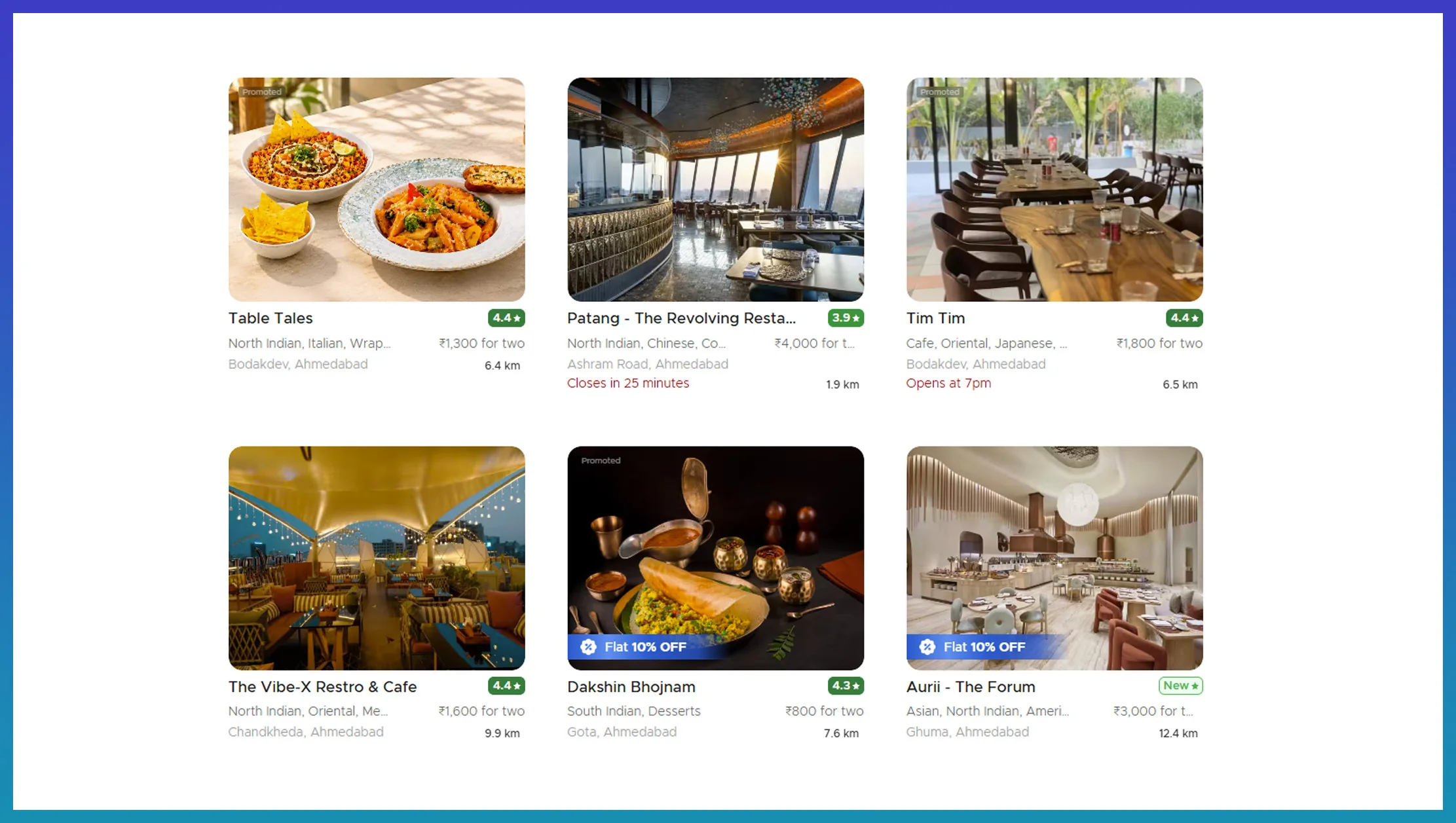
Regional pricing structures fluctuate significantly based on localized operating expenses, demand surges, and delivery zone boundaries. Quick-service chains frequently adjust base prices across neighboring zones to optimize profit margins without alienating local customer bases. Implementing systematic Zomato Data Scraping for India helps corporate research teams gather granular pricing details directly from active merchant store fronts across diverse cities.
Evaluating menu fluctuations requires continuous monitoring of individual item entries over extended operational periods. When brands adjust pricing during peak operational hours, automated systems capture these subtle shifts instantly. Utilizing specialized Zomato Food Price Tracking models enables data analysts to isolate baseline rate changes from temporary surcharges across multiple geographic territories.
Beyond tracking basic item costs, continuous catalog monitoring reveals how delivery chains test new dish variants in specific cities before initiating national launches. Intelligence teams can evaluate price sensitivity across different consumer tiers by observing how quickly customers accept local price modifications. This empirical visibility gives expanding enterprise brands a clear strategic roadmap.
| Region Type | Avg. Price Variance (%) | Dynamic Adjustments / Week | Peak Hours Price Surge (%) |
|---|---|---|---|
| Tier 1 Metros | 18% | 12 - 15 updates | 15% |
| Tier 2 Cities | 10% | 4 - 6 updates | 8% |
| Tier 3 Towns | 5% | 1 - 2 updates | 3% |
- Real-time monitoring of dynamic regional pricing updates across major metro areas.
- Automated detection of localized surges, delivery fees, and base menu adjustments.
- Historical price mapping to evaluate long-term inflation trends in the quick-service sector.
Market research professionals utilize structured menu datasets to establish accurate cost benchmarks across competing culinary categories. By examining historical price changes, strategic managers can predict seasonal price increases during holidays or local festivals. Collecting clean regional datasets ensures corporate teams make well-informed business decisions based on verified local marketplace realities.
Strategic Evaluation Of Dynamic Delivery Platform Promotions And Merchant Discounts
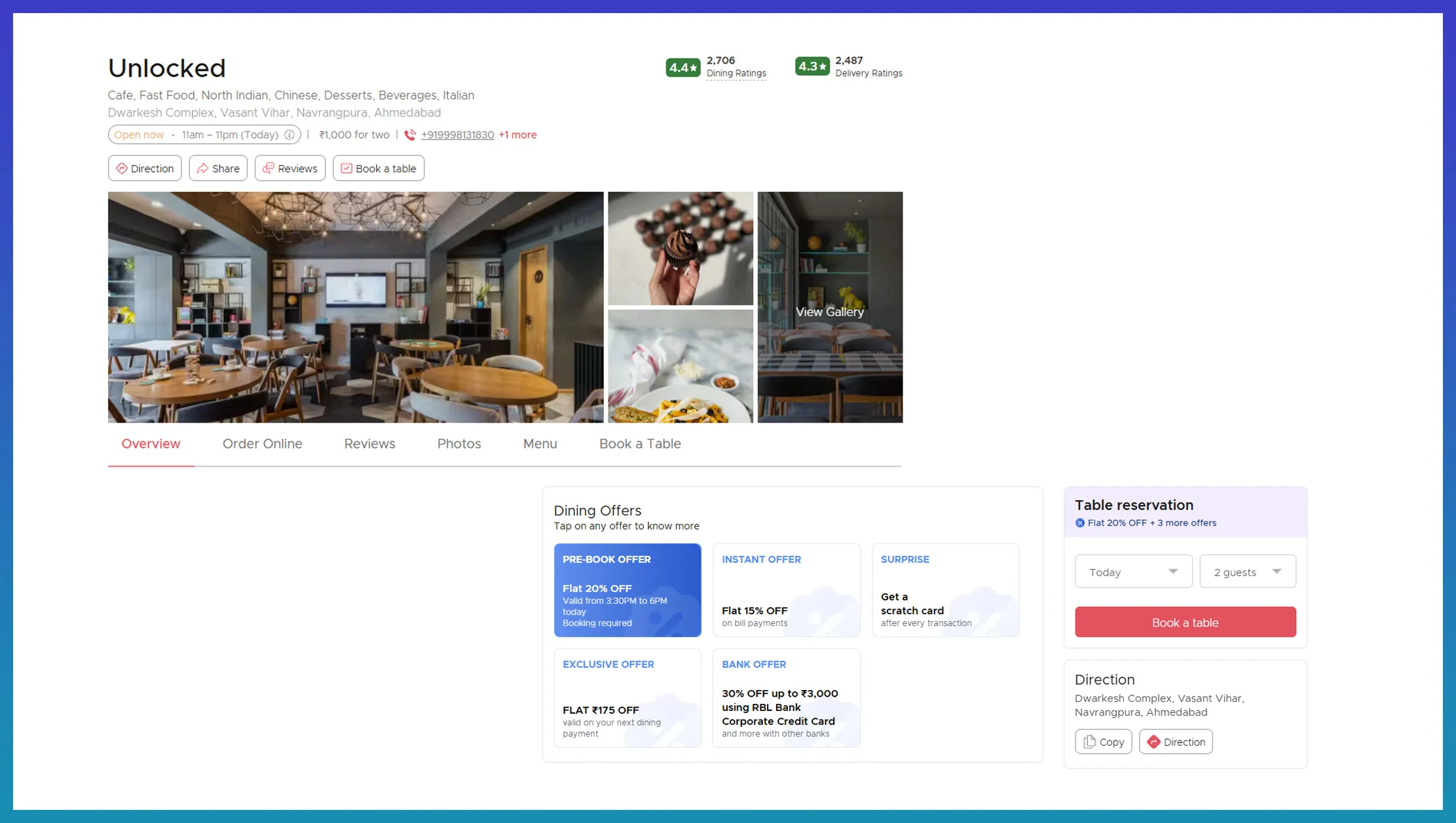
Modern food delivery apps rely heavily on complex promotional campaigns to drive user acquisition and maintain high repeat order volumes. Restaurant partners regularly combine platform-funded discounts with custom merchant deals to capture customer attention during competitive dining hours. Deploying a structured Restaurant Menu Price Monitoring API allows business intelligence analysts to track live discount configurations as soon as merchants update their listings.
Promotional models vary from simple percentage reductions to complex minimum-spend threshold incentives designed to increase average basket sizes. Integrating continuous Food Delivery Data Intelligence feeds allows commercial strategists to dissect active deal mechanics across competing restaurant categories. Understanding these promotional structures helps revenue managers assess the exact cost of consumer acquisition across competitive markets.
Systematic deal tracking also highlights how competing brands adjust their promotional intensity in response to localized market events or seasonal sales. Analyzing discount duration and depth gives enterprise brands actionable insights into competitor marketing budgets. Consequently, companies can refine their promotional timing to achieve maximum customer engagement without unnecessary price slashing.
| Discount Type | Average Frequency | Impact on Order Volume | Avg. Basket Savings |
|---|---|---|---|
| Flat Percentage Off | Daily | +25% | 15% - 20% |
| Combo Bundling | Weekly | +35% | 10% - 12% |
| Free Delivery Threshold | Continuous | +18% | 8% - 10% |
- Automated monitoring of merchant-level percentage cuts and seasonal package deals.
- Precise calculation of effective discount depth relative to baseline menu prices.
- Identification of high-converting bundle strategies used by top-performing chains.
Capturing promotional intensity requires extracting both visible price cuts and hidden combo savings applied at checkout. Through comprehensive Zomato Offers and Discounts Tracking mechanisms, market analysts monitor buy-one-get-one promotions, flat rate cart deductions, and bank co-branded deal performance over time.
Detailed Monitoring Of Competitor Catalog Adjustments For Enhanced Business Intelligence
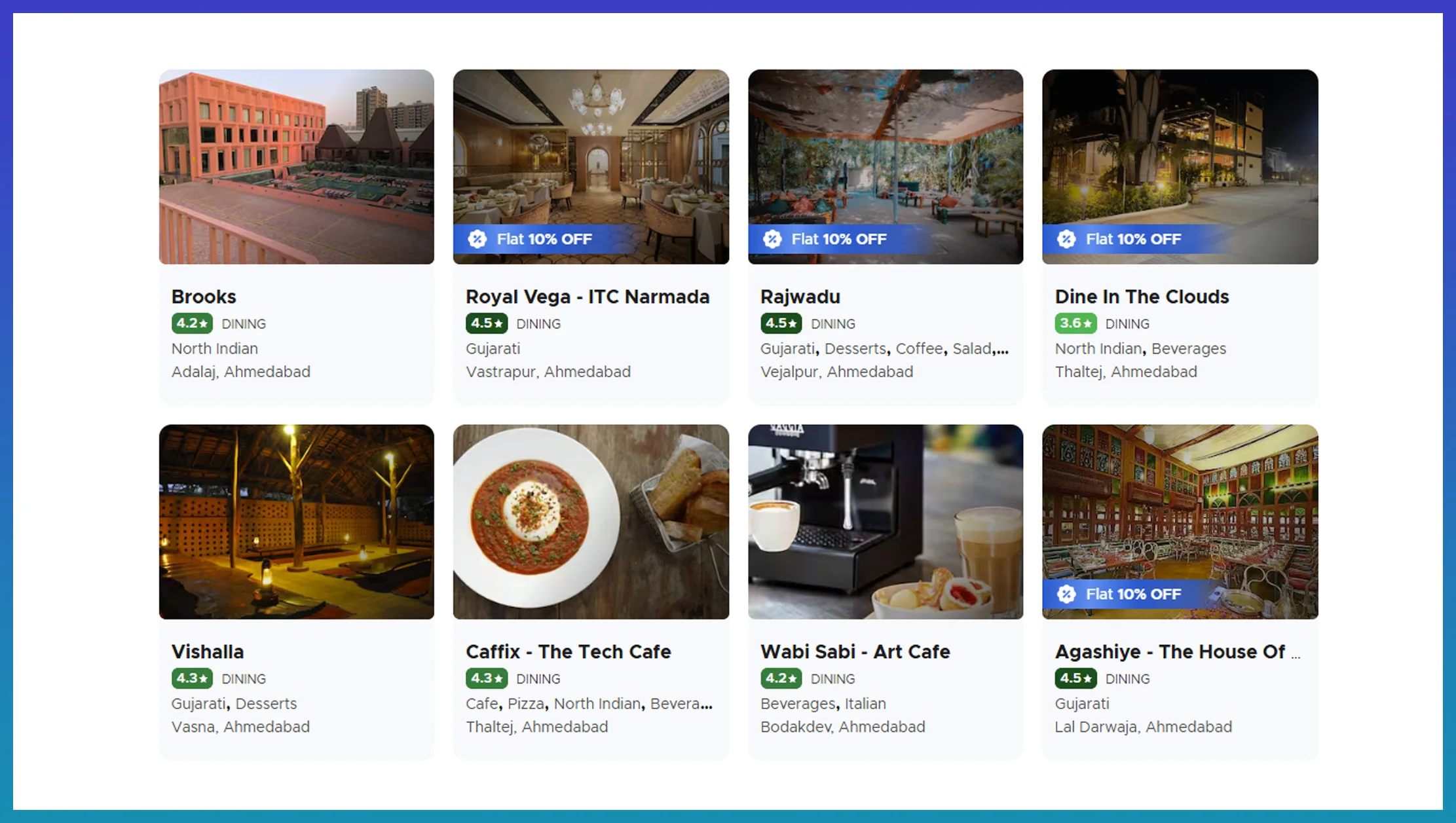
Maintaining a competitive edge in fast-moving food delivery sectors requires real-time visibility into rival catalog updates and menu changes. Automated extraction pipelines systematically scan digital listings to harvest item descriptions, portion variations, pricing updates, and customer feedback metrics. Utilizing an efficient Food Scraping API streamlines the process of aggregating large volumes of structured restaurant data without manual intervention.
Evaluating rival menu portfolios enables business analysts to identify lucrative catalog gaps and emerging food trends within specific culinary categories. By setting up continuous Zomato Menu Price Monitoring tools, product development teams receive immediate alerts whenever market rivals launch new items or alter pricing structures. This actionable intelligence helps brands adjust their product offerings and stay aligned with evolving consumer preferences.
Furthermore, continuous competitor portfolio monitoring highlights shifts in dietary focus, such as expanding vegan, organic, or low-calorie menu selections. Strategic teams can track how quickly rivals scale new product lines and adjust their menu messaging. This comprehensive operational insight ensures brands remain highly responsive to changing dining behaviors and market demands.
| Analysis Category | Data Metric Tracked | Strategic Value | Update Frequency |
|---|---|---|---|
| Catalog Breadth | Total Active Items | Product Line Expansion | Daily |
| Pricing Tiering | Entry vs. Premium Items | Portfolio Value Mapping | Real-time |
| Deal Frequency | Active Merchant Discounts | Counter-strategy Timing | Hourly |
- Automated tracking of competitor catalog launches, updates, and item retirements.
- Comparative price positioning across entry-level, mid-tier, and premium offerings.
- Continuous evaluation of market saturation levels across specific food categories.
Comprehensive market research relies on evaluating long-term portfolio changes alongside short-term pricing maneuvers across major dining markets. Accessing reliable Zomato Menu Data for Competitor Analysis allows strategy teams to perform in-depth portfolio mapping, cost structure comparisons, and category saturation studies.
How Web Fusion Data Can Help You?
Modern businesses need robust digital infrastructure to monitor fluctuating online marketplace catalogs effectively. Integrating the powerful Zomato Menu Data API into your current intelligence pipeline provides seamless access to real-time restaurant catalog updates, structural discounts, and pricing tiers across diverse regions.
- Structured automated data pipelines tailored to your enterprise delivery schedules.
- Complete coverage of regional restaurant listings, dish options, and price variants.
- Standardized output formats ready for instant ingestion into analytics dashboards.
- High uptime infrastructure built to handle large-scale concurrent catalog requests.
- Continuous maintenance ensures uninterrupted extractions despite platform structure updates.
- Clean historical dataset archiving for long-term trend forecasting and evaluation.
Deploying a reliable Food Scraper system removes technical hurdles related to manual extraction routines. Relying on continuous feeds delivers accurate Zomato Food Delivery Price Data directly into your internal databases, allowing strategic teams to focus exclusively on executing high-impact market decisions.
Conclusion
Building modern business intelligence requires structured visibility into regional pricing patterns and promotional campaigns. Implementing the powerful Zomato Menu Data API allows market analysts to capture continuous catalog updates, structural menu shifts, and competitive deal rollouts automatically.
Maintaining continuous monitoring pipelines ensures enterprise teams stay informed about fast-moving market trends. Utilizing accurate Zomato Food Price Data API services delivers structured data assets, allowing revenue leaders to optimize pricing models and execute smarter, data-driven market research strategies efficiently. Contact Web Fusion Data today to streamline your data retrieval pipeline.