Introduction
The property sector relies heavily on accurate information to assess real estate values and predict future market behavior. Real estate professionals, investors, and analysts need access to reliable property records to evaluate asking prices and market velocity accurately. Utilizing comprehensive Zoopla Real Estate Datasets allows stakeholders to replace subjective estimates with empirical, data-driven strategies.
Traditional valuation methods often fail to capture real-time shifts in supply, price reductions, or localized demand spikes. By collecting detailed listing information, historical transactions, and regional pricing movements, organizations can perform granular benchmarking across specific postal codes. This level of insight enables analysts to pinpoint emerging opportunities and identify risks early.
Modern analytics engines depend on continuous data feeds to forecast regional housing market developments reliably. Incorporating structured datasets empowers valuation platforms to model future price trajectories with greater precision. As competition grows, leveraging real-time real estate data remains essential for maintaining an edge in property investment and market evaluation.
Improving Property Valuation Precision Using Detailed Historical Pricing Metrics
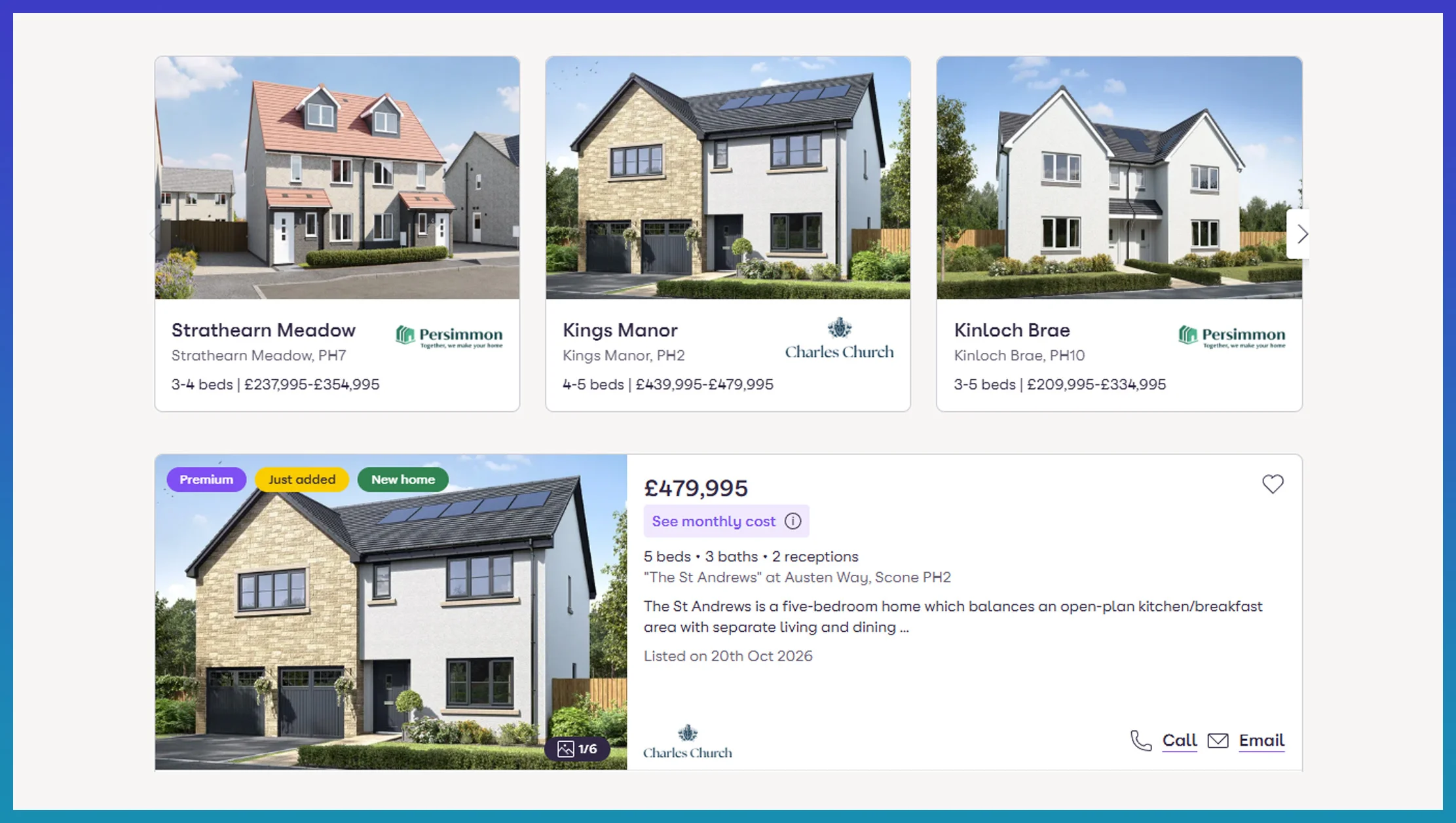
Accurate property valuation requires evaluating current listings alongside historical sale trends over multi-year periods. Financial analysts and real estate professionals constantly strive to minimize valuation errors in dynamic economic environments. By examining comprehensive transactional histories, property appraisal platforms can build reliable baseline valuations that reflect true market conditions rather than temporary price spikes.
Valuation platforms rely heavily on detailed historical records to assess property values across different geographic regions accurately. Accessing complete Real Estate Property Datasets enables computational models to recognize neighborhood trends and street-level pricing adjustments effectively. This depth of empirical data significantly reduces statistical variance, providing investors and lenders with dependable asset valuations.
| Valuation Metric | Standard Analysis | Advanced Analytical Insight |
|---|---|---|
| Price Adjustment Tracking | Static asking price | Price reduction frequency and magnitude |
| Market Velocity | Regional average days on market | Micro-location DOM filtered by asset type |
| Comparative Analysis | Broad neighborhood averages | Street-level historical transaction mapping |
The integration of historical listing records allows machine learning models to detect subtle pattern variations that traditional appraisal methods often overlook. Historical data helps smooth out temporary market volatility, enabling analysts to evaluate true underlying asset appreciation. The following key factors illustrate how detailed records improve asset appraisal accuracy:
- Long-Term Trend Analysis: Tracking historical price movements across multi-year property market cycles.
- Discount Frequency Analysis: Evaluating how often listing prices are reduced before final agreement.
- Micro-Market Benchmarking: Comparing individual asset pricing directly against localized historic sales data.
Analyzing historical listing changes helps investment firms assess acquisitions and avoid localized overvaluation. Zoopla Real Estate Dataset API Access provides structured property records to support data-driven pricing strategies and informed investment decisions. Ultimately, combining historical pricing trends with modern analytical tools provides the foundation for accurate property appraisals across all market conditions.
Tracking Housing Market Dynamics To Predict Future Asset Price Trajectories
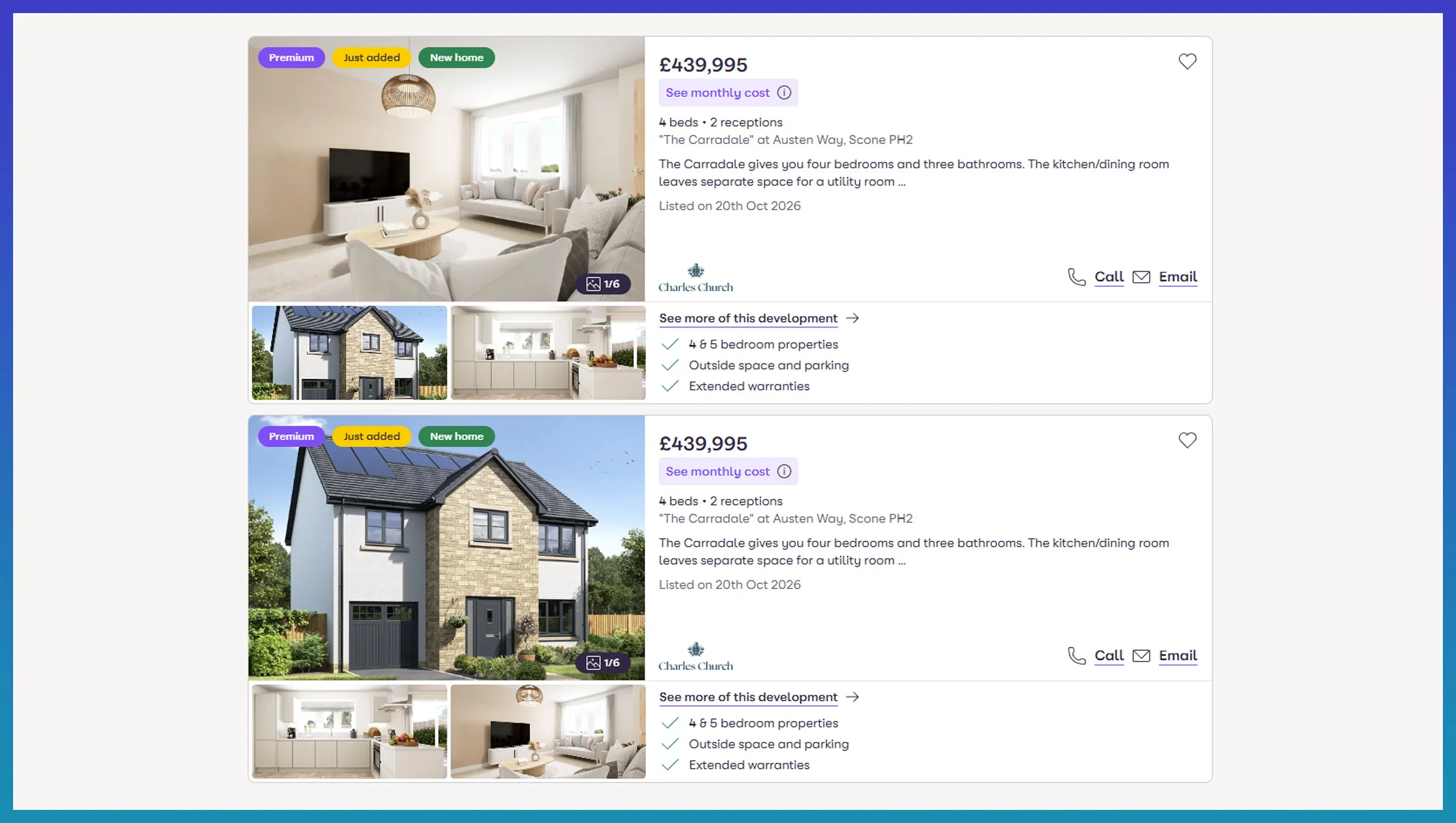
Predicting future property market movements requires constant monitoring of active inventory levels and shifting buyer demand signals. Market forecasting models rely on continuous data feeds to detect early signs of changing market sentiment across target regions. By analyzing inventory accumulation and time-on-market metrics, research teams can identify shifting economic conditions long before official sales data is finalized.
To capture these subtle market transitions effectively, data analysts extract detailed listing attributes directly from active online real estate portals. Teams that Extract Zoopla Property Data for Market Analysis can quantify supply and demand imbalances across specific postcodes before price adjustments occur. This proactive data gathering allows real estate platforms to forecast market direction and adjust investment strategies preemptively.
| Forecasting Indicator | Measurement Metric | Strategic Value |
|---|---|---|
| Inventory Absorption | Monthly listing turnover rate | Early signal of shifting supply-demand balance |
| Listing Price Drift | Initial vs active listing price | Indication of seller sentiment and buyer power |
| Rental Yield Shifts | Purchase price vs rental yield | Benchmark for prospective investor returns |
To handle massive volumes of incoming listing information efficiently, modern proptech companies rely on automated data acquisition pipelines. Deploying a specialized Real Estate Scraper enables technical teams to collect structured listing data at scale without manual intervention. Automated data harvesting guarantees that analytics platforms receive a continuous stream of accurate market information for reliable predictive modeling.
- Supply Balance Monitoring: Tracking active listing volume to spot oversupply or stock scarcity early.
- Price Revision Trajectories: Measuring the speed and size of asking price cuts across regions.
- Demand Momentum Tracking: Assessing property inquiry rates and days listed to forecast velocity.
Combining automated data collection with predictive algorithms empowers organizations to forecast market trends with high precision. Monitoring inventory changes and pricing adjustments continuously ensures that forecast models adapt quickly to shifting economic realities. Businesses that leverage structured web data maintain a decisive forecasting edge, allowing them to capitalize on emerging opportunities ahead of competitors.
Leveraging Instant Property Insights To Support Competitive Market Intelligence
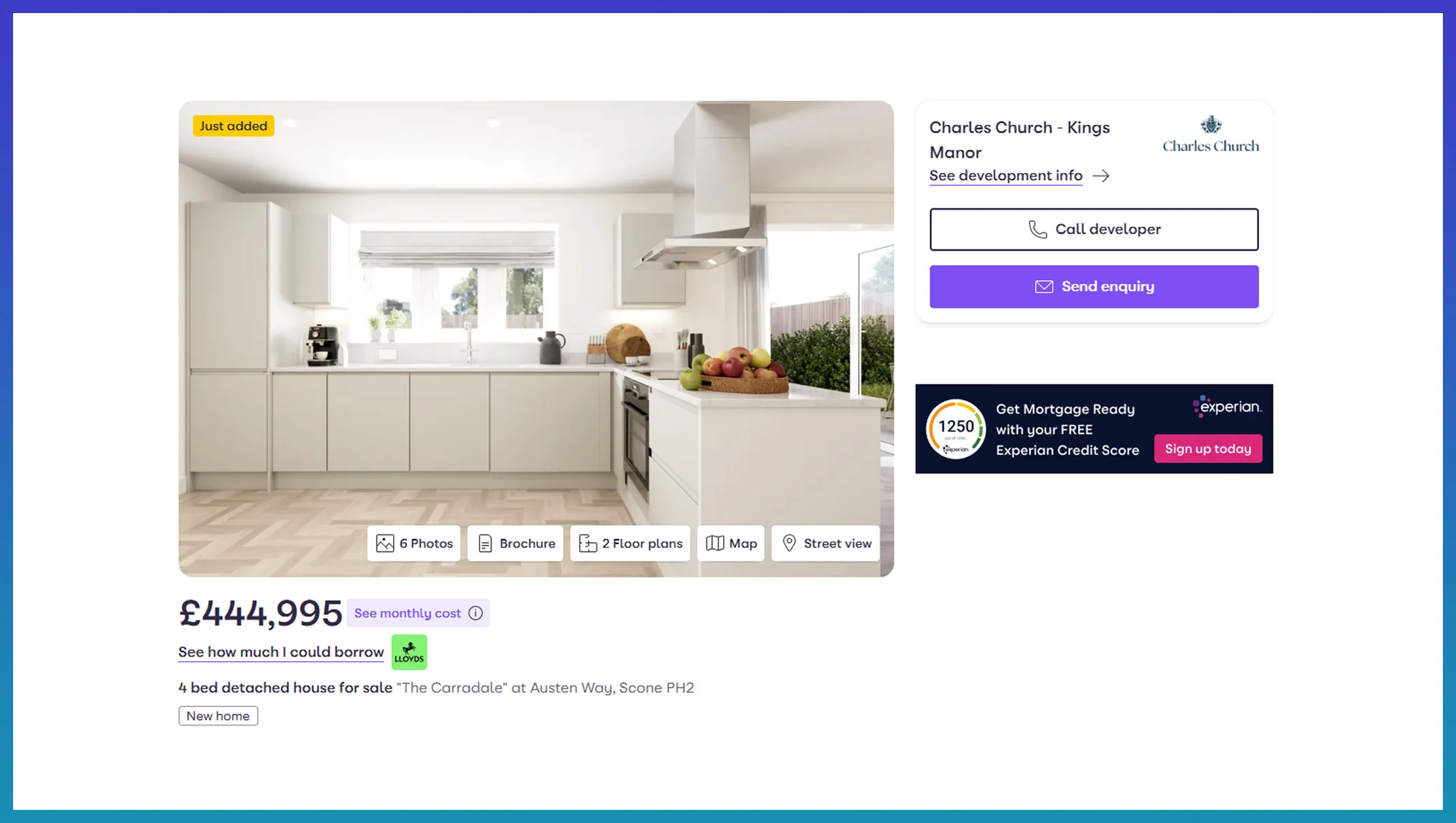
In fast-moving real estate markets, access to instantaneous property data provides a decisive competitive advantage for investors and analytics platforms. Delayed market information often leads to missed investment opportunities or outdated asset appraisals that misreflect current market values. Accessing updated property metrics as soon as changes occur ensures that evaluation models remain accurate and fully responsive to sudden market shifts.
Modern analytics engines require rapid data updates to capture instantaneous pricing modifications and new listing arrivals across competitive postal codes. Utilizing Real-Time Zoopla Housing Market Intelligence allows acquisition platforms to detect price drops and high-yield listings the moment they are published. Immediate access to accurate listing updates empowers real estate firms to execute opportunistic buying strategies before competing market participants can react.
| Data Attribute | Refresh Rate | Analytical Application |
|---|---|---|
| Asking Price Drops | Real-Time | Rapid buyer opportunistic acquisition alerts |
| New Listing Signals | Daily | First-mover advantage in acquisition tracking |
| Listing Status Changes | Hourly | Accurate market velocity and absorption modeling |
Integrating continuous data feeds into analytical workflows allows property platforms to automate complex evaluation routines seamlessly. Platforms powered by robust Real Estate Data Intelligence can run machine learning models that automatically score new properties based on historical performance and real-time trends. This automated intelligence drastically reduces evaluation times, enabling analysts to focus their efforts on high-value investment decisions.
- Instant Opportunity Identification: Detecting sudden price drops to secure favorable acquisition terms quickly.
- Automated Valuation Adjustments: Updating property appraisal estimates immediately as new local listings launch.
- Competitor Benchmark Tracking: Monitoring rival inventory movements and pricing strategies across active markets.
Maintaining high data freshness ensures that real estate valuation engines operate with maximum precision during volatile market cycles. Organizations that incorporate real-time intelligence into their daily workflows consistently outperform firms relying on outdated weekly or monthly reporting. Investing in instantaneous data capabilities provides the speed, accuracy, and strategic clarity necessary to lead in today's data-driven property market.
How Web Fusion Data Can Help You?
In today's competitive property landscape, having reliable access to high-quality market metrics makes all the difference. Relying on accurate Zoopla Real Estate Datasets enables your team to focus directly on generating actionable market insights and building predictive valuation engines.
We deliver tailored data solutions designed to seamlessly support your internal property evaluation pipelines:
- Custom scraping pipelines built for seamless scalability across target geographic regions.
- Automated data delivery formats delivered directly to your cloud storage infrastructure.
- Rigorous data validation ensures high precision, complete deduplication, and structured formats.
- Continuous infrastructure monitoring to handle listing platform updates automatically without downtime.
- Historical and real-time listing records cleaned and organized for immediate analytics platform ingestion.
- Full compliance with web scraping standards ensuring legal and secure data acquisition.
Integrating complete datasets directly into your internal analytical engines enhances decision-making speed. For organizations seeking automated data delivery, implementing Scrape Real Estate Data APIs for Property Analytics Platforms enables seamless pipeline integration that continuously feeds your property analytics applications.
Conclusion
Understanding regional property movements requires accurate, comprehensive, and timely datasets capable of feeding advanced analytics systems. Relying on reliable Zoopla Real Estate Datasets allows financial institutions, proptech platforms, and property investors to base decisions on empirical evidence rather than guesswork.
Building an in-house data collection pipeline often requires significant resources and ongoing technical maintenance to handle site structure changes. Utilizing specialized Zoopla Real Estate Data Collection Services provides immediate access to clean, structured property data without operational headaches. Partner with Web Fusion Data today to power your real estate analytics platform with reliable market intelligence.